Best Places to Scuba Dive in the World

From wrecks to reefs, caves to cages and close encounters you’ll never forget, our oceans have it all. With so much to see and do, it can be hard to filter through the seemingly never-ending list of places to visit. That’s why we’ve put together our list of the top scuba diving destinations – to narrow it down a little. Read on to explore some of the world’s top bucket-list dives and a few lesser-known gems worth adding to your logbook.
Maldives
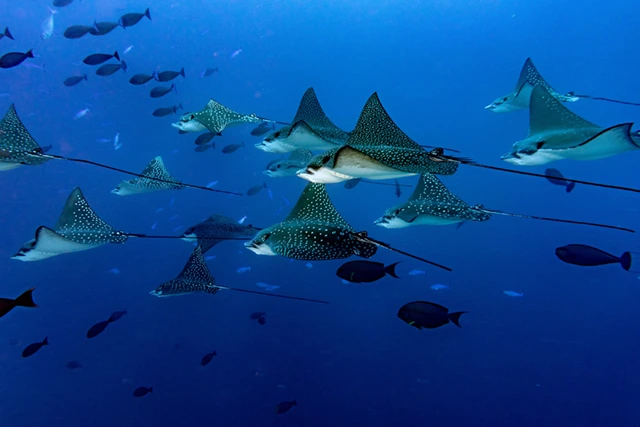 The Maldives is a key stop on the superhighway of underwater biodiversity. A backwards roll off the side of a dhoni can land you in the company of manta rays, eagle rays, silky sharks, reef sharks or even a passing whale shark. Drift dives through sandy channels reveal vibrant coral-studded cleaning stations, where cleaner wrasse await their next customer.
Each atoll brings something different. In Baa, you can hang weightless in the blue as mantas drift overhead. In Ari, sea turtles, napoleons and macro species like nudibranchs, leaf scorpionfish and ghost pipefish can all be seen on a single dive. Channel crossings are a favourite for confident divers, while sheltered lagoons and house reefs offer colour and variety closer to shore.
Whether you're diving from a liveaboard or slipping off a resort reef, the Maldives offers reliable conditions, abundant marine life and an experience that’s dialled in for divers.
“I got hooked on diving in the Maldives, it will always hold a special place in my heart.” - Tamsyn
Indonesia
 Home to the famed Raja Ampat and Komodo National Parks, Indonesia stretches across a vast archipelago, offering a staggering range of dive experiences, even for advanced divers.
Underwater photographers chasing macro magic should head to the Lembeh Strait, where miniature, enigmatic creatures shine against the black volcanic sand. Expect to find flashy nudibranchs, flamboyant cuttlefish and rhinopias on show. For further encounters with the weird and wonderful, liveaboards to the Banda Sea offer the chance to swim alongside sea snakes.
For something bigger, head to Komodo National Park. Declared a World Heritage Site in 1991, it’s now one of the largest protected marine areas on the planet. Expect sand-swept channels, teeming coral reefs, rare critters, napoleon wrasse and pelagic visitors like sharks and manta rays. For a topside adventure, keep an eye out for the legendary Komodo dragon – one of the last living links to the prehistoric world.
Raja Ampat is one of the most biodiverse marine regions on Earth, and is believed to be the heart of the Coral Triangle. The marine protected area provides shelter for marine life including manta rays, wobbegong shark, parrotfish, barracuda and more.
Philippines
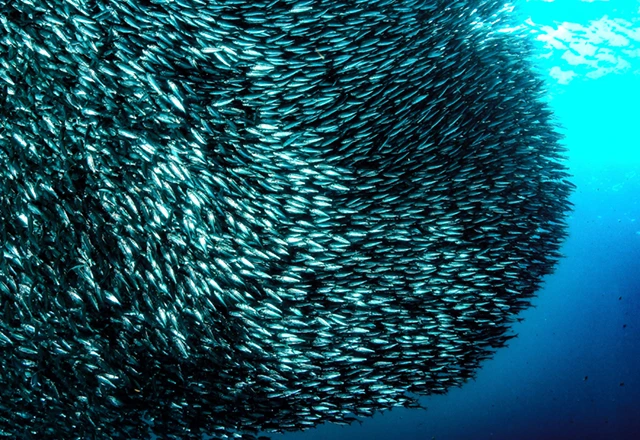 A scuba diver’s dream scattered across more than 7,000 islands, the Philippines serves up variety in spades. In Moalboal, drop onto steep walls draped in soft coral or drift through the blue alongside a shoal of sardines.
Or discover the Visayas islands, renowned for white sandy beaches, relaxed and friendly locals and stunning dive sites with many just moments from the shore. Highlights include colourful reefs, sardine baitballs at Pescador, thresher sharks at Malapascua, wall diving in Cabilao and the biodiversity of Apo Island.
In Dauin and Anilao, it's all about macro. Dive the world-famous reefs and muck sites to discover colourful cuttlefish, pygmy seahorses, frogfish and nudibranchs no bigger than a fingernail.
For a change of scale, head to northern Palawan where in Coron, WWII wrecks rest in warm water. Explore shipwrecks and dramatic reefs, plus enjoy one of the world's most unique dive sites where a thermocline changes the water temperature to over 38°C. Around Palawan, seagrass meadows sometimes hide dugongs, while turtles patrol the coral reefs nearby. With year-round diving, a strong local dive culture and endless variety, the Philippines delivers colour, critters and adventure in equal measure.
Product Manager Jo Charter has plenty of experience with the Philippines' diverse dive sites, and shares more in her blog.
Mexico
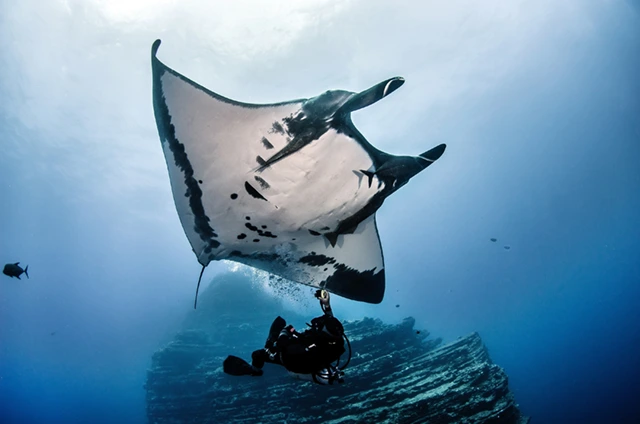 Mexico offers an unparalleled range of diving experiences, from vibrant reefs to adrenaline-pumping encounters. In Cozumel, drift along the walls of Palancar Reef past turtles, moray eels, nurse sharks and the endemic splendid toadfish. For big animal sightings, head to Socorro Island – often dubbed the 'Little Galapagos' – to see giant manta rays, dolphins and up to ten shark species, including hammerheads and whale sharks.
The cenotes of the Yucatán Peninsula offer a completely different kind of thrill: freshwater cave diving through cathedral-like caverns with haloclines and ethereal light shows.
On the west coast, Baja California delivers a contrasting scene with sea lion encounters, migrating whales and the vibrant macro life of the Sea of Cortez. With both coasts offering something unique, Mexico caters to all kinds of divers.
Egypt
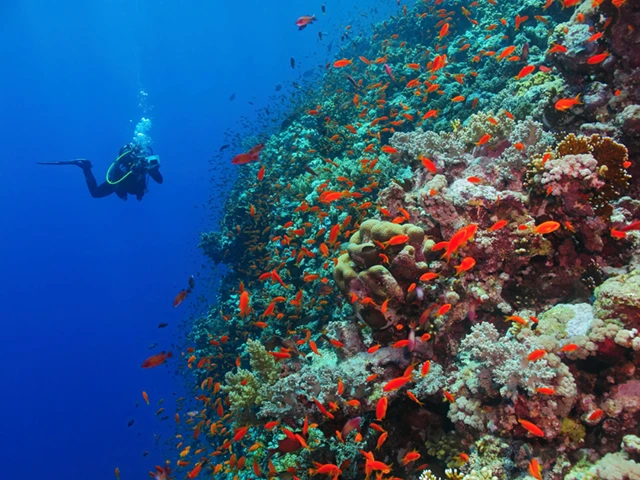 Just a 5-hour flight from the UK, Egypt delivers some of the Red Sea’s most exhilarating diving. The Fury Shoals, a string of pristine reefs, are famed for coral gardens, winding swim-throughs and the dive site of Sha’ab Sataya – also known as Dolphin Reef – where spinner dolphins often play in the calm lagoon waters.
Further north, Elphinstone Reef more than earns its reputation, with steep walls, strong currents and sightings of oceanic whitetips, hammerhead sharks and even thresher sharks. With year-round warm water, blistering visibility and a rich tapestry of marine life, Egypt stands out: a beginner-friendly gateway to world-class dive sites.
As an added bonus – the pyramids await in nearby Cairo, ready to pair perfectly with your dive itinerary on our Pyramids & Reefs trip idea.
Palau
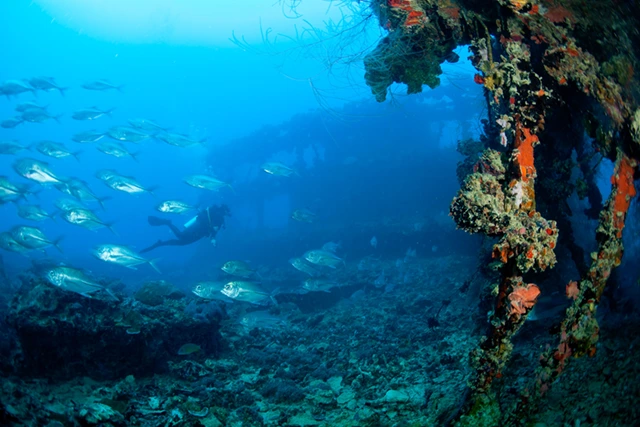 Image by Gerald Rambert, courtesy of Palau Siren
If wreck diving piques your interest, few places offer more intrigue than the sunken ships and planes scattered off the coast of Palau. In 1944, a series of U.S. air raids sank dozens of Japanese vessels and aircraft – 48 confirmed wrecks and likely more still to be discovered. Today, these rusted giants rest on coral-encrusted seafloors, offering eerie, beautiful glimpses into history.
But Palau's seabed is more than just a graveyard of war. It sits at the convergence of three major oceanic currents, which collide off its shores and flood its spectacular coral reefs with nutrients and life. Expect every shape and colour of coral, over 1,500 species of tropical fish, and reliable sightings of grey reef sharks and barracuda. These dynamic waters make Palau one of the most vibrant ecosystems on the planet, and perfect for shark diving.
Strong currents demand good buoyancy and confidence in the blue, making this a dream destination for more experienced divers.
Galapagos Islands
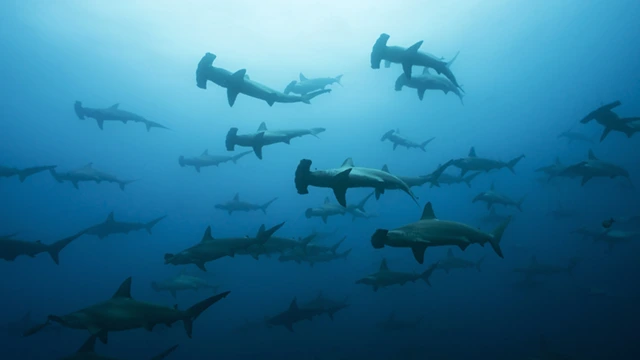 Globally renowned for its biodiversity, the Galápagos Archipelago earns its place on any scuba diver’s bucket list. On land, wildlife encounters are hard to miss – from Galápagos giant tortoises and Darwin’s well-documented finches to its iconic marine iguanas.
Below the surface of Isabela Island, reef fish, sea lions and barracuda cruise the shallows, while the mangroves and wetlands hum with life. But for seasoned divers, the real stars lie further afield: Wolf and Darwin Islands - arguably the most famous dive sites in the Galapagos. These rocky outposts are swept by the nutrient-rich Humboldt Current and offer front-row seats to some of the most exhilarating marine action on Earth.
Swirling schools of hammerheads, silky and Galápagos sharks, green sea turtles, manta rays, and even whale sharks gather in these waters, making them two of the best dive sites in the world.
Papua New Guinea
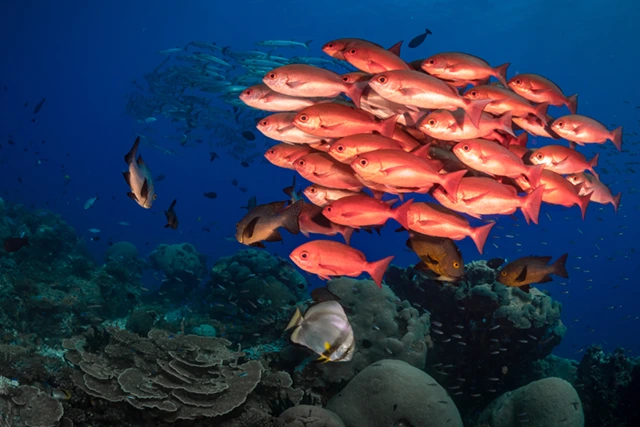 As one of the last unexplored corners of the globe, Papua New Guinea lies in the heart of the Coral Triangle and offers some of the finest diving on Earth. This underwater Amazonia teems with life, home to over half the world’s coral species, striking reefscapes and enormous barrel sponges that tower beside passing divers.
Predators cruise the blue, drawn by dense shoals of fish, while reef sharks, rays, and swirling barracuda add edge to every descent. Wrecks, walls, coral reefs and bioluminescent night dives are all on the menu in this photographic mecca.
Expect high biodiversity, wild beauty, underwater treasures and the kind of diving that makes you feel like you're one of the first to discover it.
Lesser-known great scuba diving destinations
Tanzania
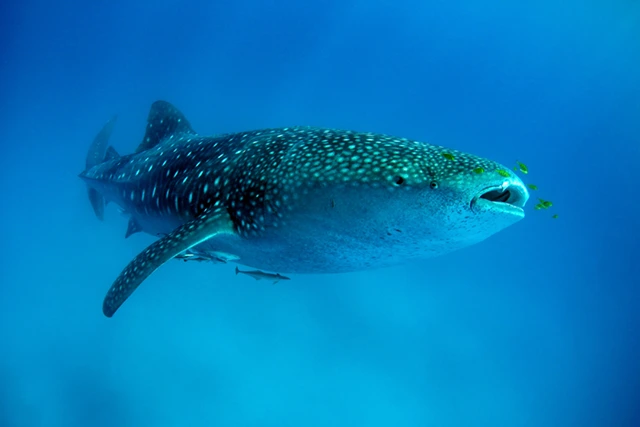 Tanzania might be best known for its safaris, but its diving deserves attention too. Offshore, a string of islands, including Mafia Island, reveals a marine sanctuary with over 400 named species.
The coral reefs are frequented by large oceanic fish returning from deep-sea migrations, and the annual arrival of whale sharks, which stop to feed in plankton-rich waters. Down in the seagrasses of the Majura Channel, divers might be lucky enough to spot an elusive dugong. Green and hawksbill turtles nest nearby, and fruit bats crowd the trees that frame hidden coastal inlets.
Mozambique
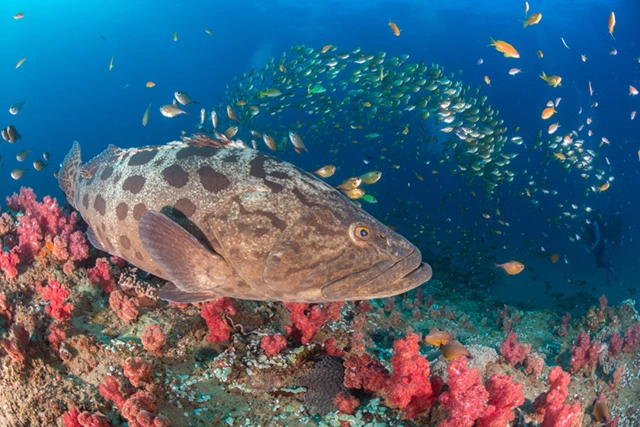 Fed by the nutrient-rich Agulhas Current, Mozambique’s waters attract some of East Africa’s most iconic marine life. Along the coast – especially around Tofo Beach and the Bazaruto Archipelago – divers can encounter whale sharks, manta rays, reef sharks, leopard sharks, dugongs, turtles and migrating humpbacks in season.
These waters also support impressive coral cover, with healthy coral reefs stretching from shallow gardens to deeper sandy plateaus between 10 and 40 metres.
With peaks in marine activity tied to the seasons, local insight is invaluable. Mozambique suits divers who crave variety, biodiversity and the feeling that anything might appear from the blue.
Bonaire
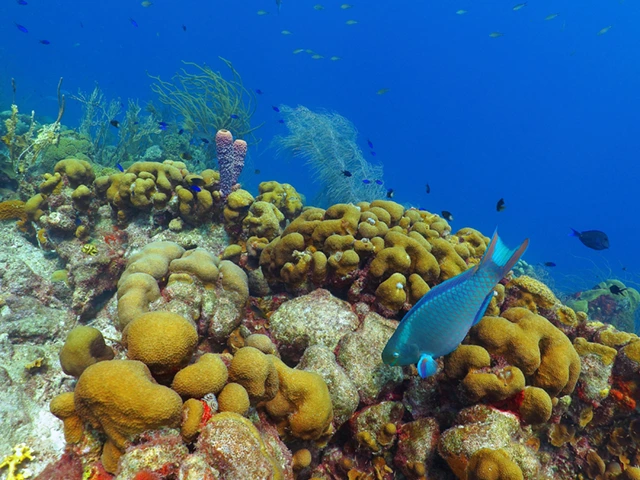 Stunning aqua‑blue water, pink flamingos balancing on one leg in the salt pans and iguanas on the pavement – Bonaire has its own unique rhythm. With over 85 official dive sites and 17 snorkel spots, almost all accessible from your hotel, it’s easy to see why the island is often hailed as the shore diving capital of the world.
Calm, clear conditions make it ideal for beginners or anyone easing back into the water, while macro photographers will find plenty to focus on along the fringing reef. With thriving corals, turtles and relaxed local dive culture, Bonaire delivers colour and simplicity in equal measure.
Belize
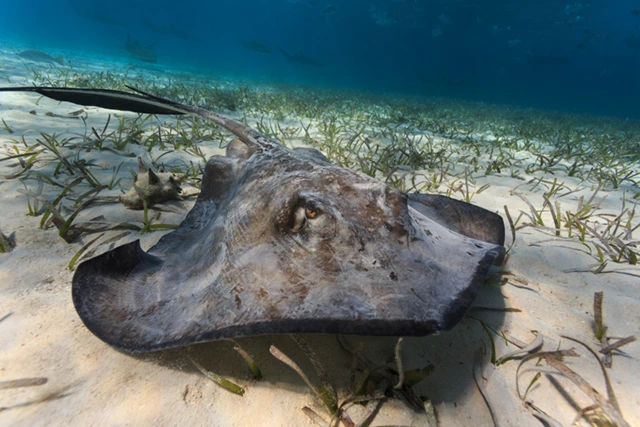 Belize is all about variety - with reef, rainforest and adventure packed into one destination. From Ambergris Caye, divers can explore the country’s renowned barrier reef, with top sites like Hol Chan and Shark Ray Alley just offshore.
The Blue Hole in the Outer Atolls is a bucket list item for many, but it’s the everyday diving that’s most underrated. Expect nurse sharks, rays, groupers, turtles and – if you’re lucky – dolphins alongside the boat. During the right season, whale sharks show up further south.
Inland, you’ll find plenty to extend your adventure: jungle walks, river caves and Mayan ruins all within easy reach.
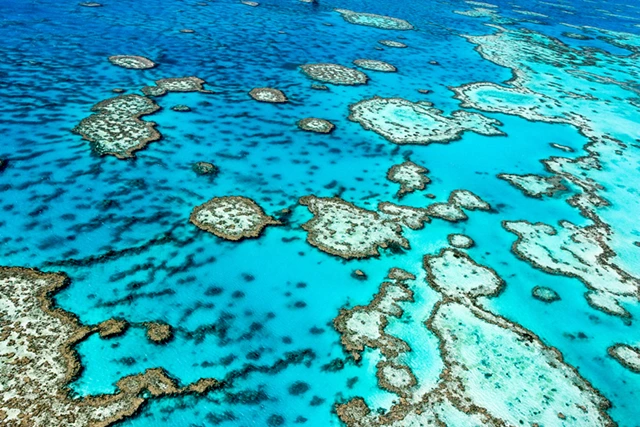
It wouldn't be a 'best places to scuba dive' blog without a mention of the Southern Great Barrier Reef in Queensland, Australia. Here, you can dive with potato cod, schooling trevally and barracuda, plus enjoy shark diving and underwater photography.
Updated on June 18, 2026
Our Travel Consultants are all qualified divers, and are more than happy to help you plan the best scuba diving holiday. Chat to them today to start planning!