10 Best Places to Scuba Dive in the Philippines
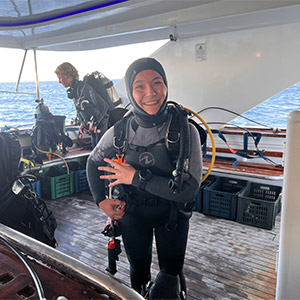
Diving in the Philippines has a strong reputation, and for good reason. With diverse diving, access to the Coral Triangle, famous dive sites, vibrant dive centres, and pristine coral reefs like Tubbataha Reef, there are a plethora of options to choose from, so where do you start? Product Manager Jo has visited twice, and shares some of the best places to dive in the Philippines.
1. Malapascua – Visayas
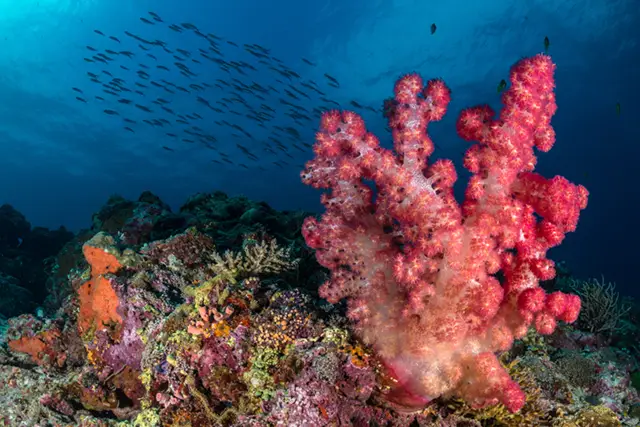
This tiny island is home to huge marine life, most notably thresher sharks and tiger sharks. The normally elusive thresher sharks has put Malapascua on the diving map, as these iconic creatures are reliably spotted at dawn on Kimud Shoal. Once home to the threshers, Monad Shoals is now more commonly populated by tiger sharks. Nearby Gato Island has colourful reefs, while the wreck of the Doña Marilyn is well worth a visit on a dive trip!
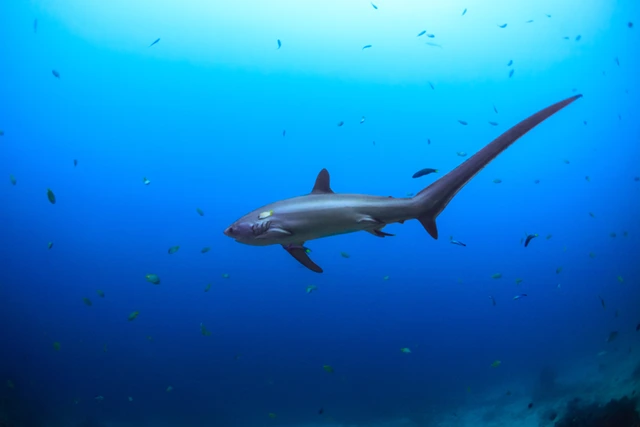 Highlights of Malapascua include thresher sharks, tiger sharks, diverse reef and tropical island vibes. Perfect for shark lovers who want to kick back on the paradise beaches after an early start.
 Dive by: Resort & liveaboard
Experience level: Advanced
2. Dauin & Dumaguete – Visayas
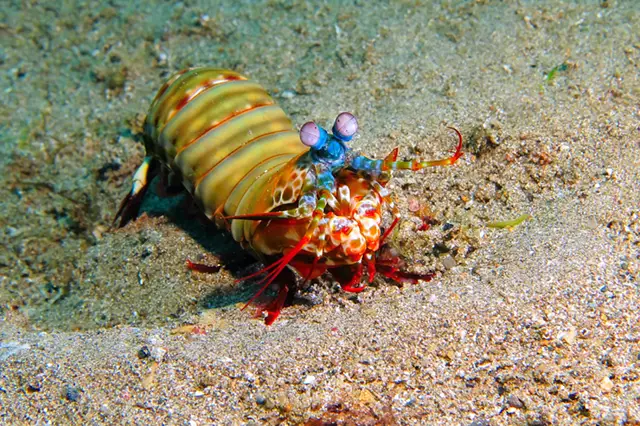
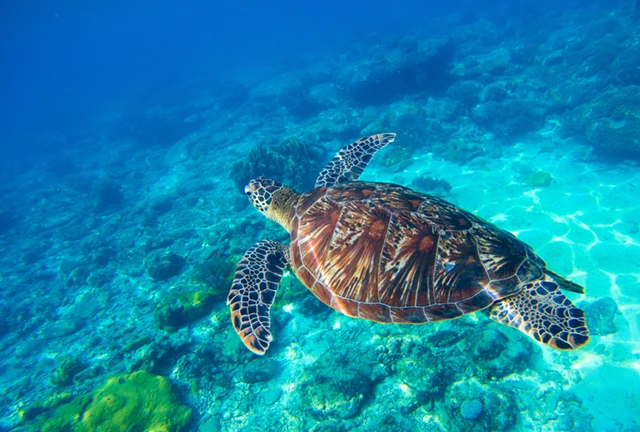
This is one for the small critter enthusiasts. At the opposite end of the Visayas to Malapascua, Dauin and Dumaguete perched on the southern tip of Negros Island. The area is world renowned for its muck diving with a variety of different types of nudibranch, frogfish, octopus, and crustaceans. The black volcanic sand is the ideal home for the weird and the wonderful. A short boat trip away is Apo island, and the world-class diving of Apo Reef Natural Park, where vibrant reefs are in stark contrast to Dauin’s underwater world. This island is famed for its turtles population and brightly coloured reefs, and reef sharks can be spotted here too.
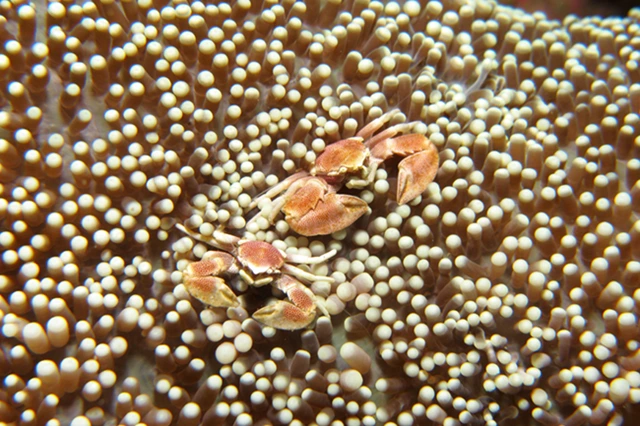
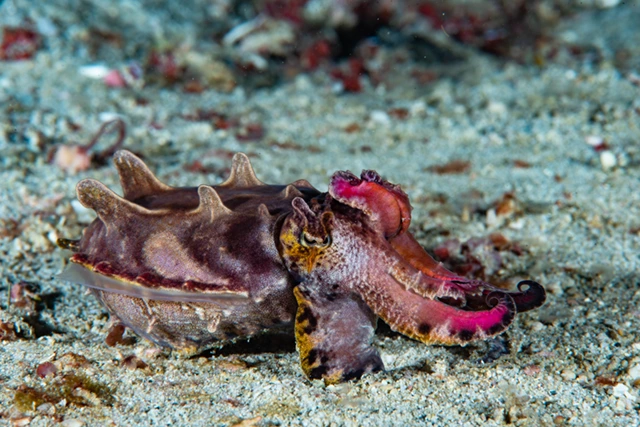
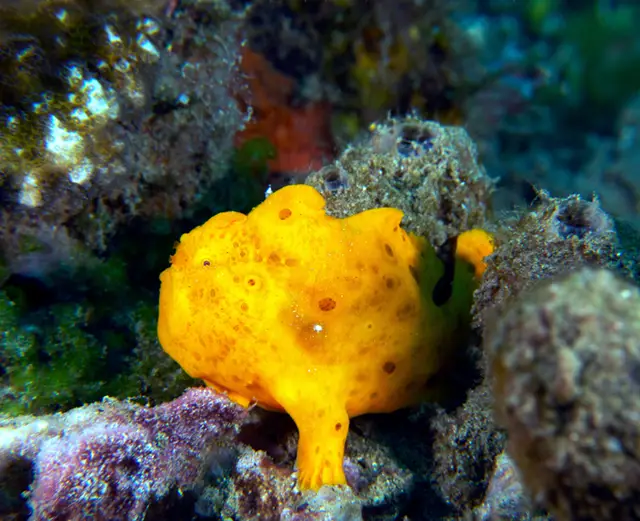 Highlights of Dauin and Dumaguete include painted frogfish, wonderpus, mimic octopus, blue-ringed octopus, rhinophors, flamboyant cuttlefish, ghost pipefish, star gazers, candy crabs, mantis shrimps ... we could go on! Apo island is accessible by boat and is home to turtles galore, electric clams, colourful coral reefs, and (if you’re lucky) whale sharks.
 Dive by: Resort, although certain liveaboards frequent the area seasonally
Experience level: Everyone, although some sites at Apo are better for more experienced divers
3. Moalboal – Visayas
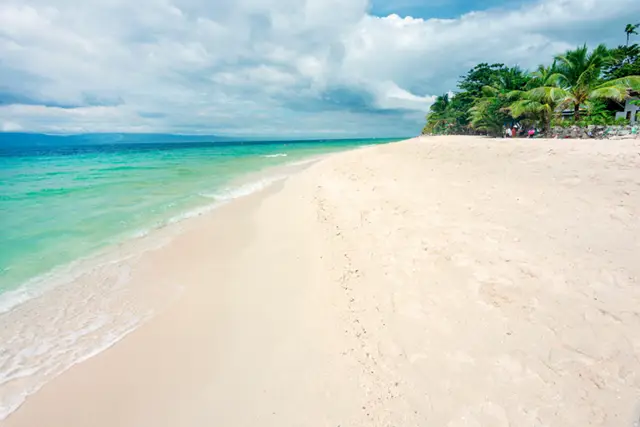
Moalboal is the largest island in the Visayas and home to Cebu international airport, making it one of the most easily accessible diving destinations in the Philippines. On the north-west side of the island is the Panagsama beach. The reefs here are bustling with life and suitable for everyone from learning to dive to technical divers. A draw for many is the large shoals of sardine ‘bait-balls’ which swarm in these waters, hugging the walls and dramatic drop-offs. Divers can also encounter schools of pelagic fish, adding to the rich marine biodiversity. The ‘sunken island’ is a renowned dive site in Moalboal, an underwater pinnacle known for schooling jack fish, and occasional sharks and pelagics.
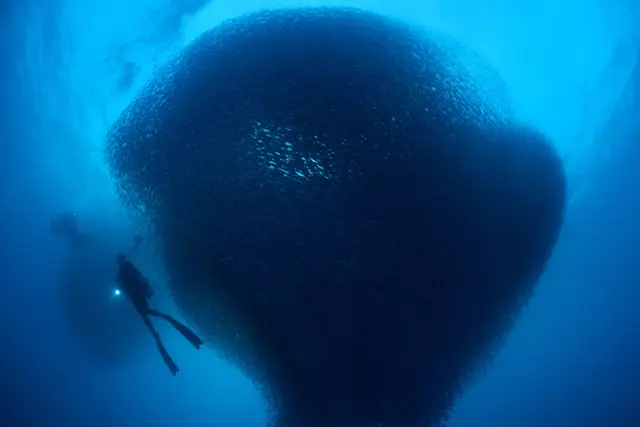 Highlights in Moalboal are without a doubt the sardine schools, the ease of access and the laid back Filipino atmosphere. Moalboal is a popular addition to any Philippines island hopping itinerary or as an extension pre or post liveaboard.
 Dive by: Resort & liveaboard
Experience level: Everyone
4. Bohol & Anda – Visayas
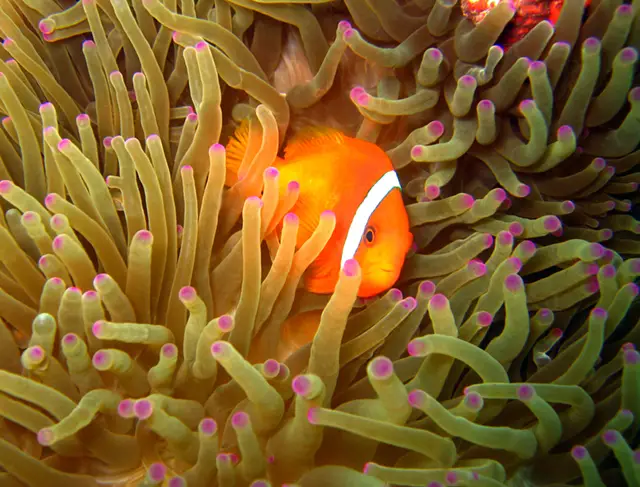
Rounding off the Visaya, Bohol is an untouched gem in the Philippines. The reefs of Anda, on the eastern coast of Bohol, are bright, busy, and best to visit any time of the year. This peaceful town is home to just a handful of resorts and rarely visited by liveaboards, ideal for escaping the crowd. The macro life is bold with common sightings of frogfish, a variety of octopus, and nudibranchs. There's also the whale shark hot spot of Lila on the southern coast, and here the gentle giants can be encountered while snorkelling or diving.
 Highlights of Bohol and Anda are its remote and quiet dive sites, filled with diverse marine life and pristine reefs. Its range of dive sites, macro life and whale shark encounters make it a wonderful option for any diver.
 Dive by: Resort, with a select few liveaboard venturing into these waters.
Experience level: Everyone
5. Tubbataha
Accessible only by liveaboard this remote area in the Sulu Sea boasts big marine life, pristine coral reefs and macro life to rival the best. The diving season for Tubbataha Reef is short, running from late February to June. During this time, ocean conditions are at their calmest and the best dive sites can be reached. The Tubbataha Reef Natural Park is a UNESCO World Heritage Site covering over 100,000 hectares. It's renowned as a fantastic diving destination owing to its wild marine biodiversity, with over 600 species of fish and 300 species of coral.
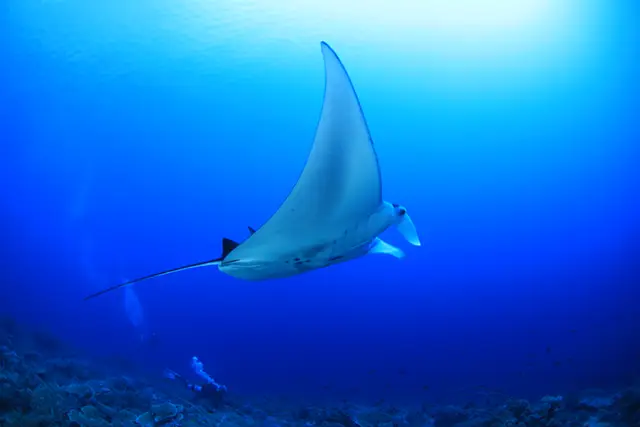
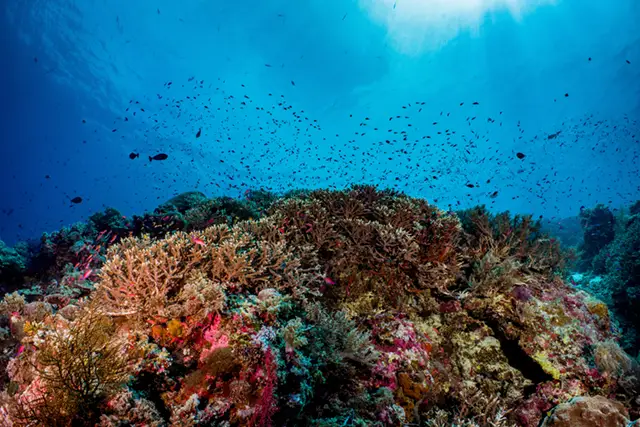 Highlights of Tubbataha include whale sharks, manta rays, grey reef shark, schooling barracuda and jacks, and whitetip reef sharks. It's even possible to see tiger and hammerhead sharks. Currents can be strong, meaning this area is best suited to advanced divers comfortable with currents.
 Dive by: Liveaboard
Experience level: Advanced
6. Sipalay
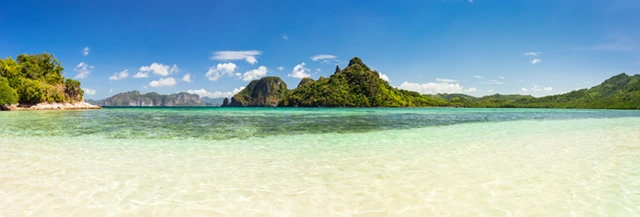
Off the beaten track, Sipalay is an up-and-coming dive destination on the west coast of Negro island, around two hours drive along the scenic coastline from Dauin and Dumagete. On the edge of the Sulu Sea the reefs of Sipalay are untouched and peaceful. Day boat trips to the coral gardens of Punta Ballo and the marine protected area of Campomanes Bay are a must. Green sea turtles and a variety of tropical reef fish are abundant on the hard and soft corals, popular with photographers the reliable conditions make it a great spot for capturing breathtaking images.
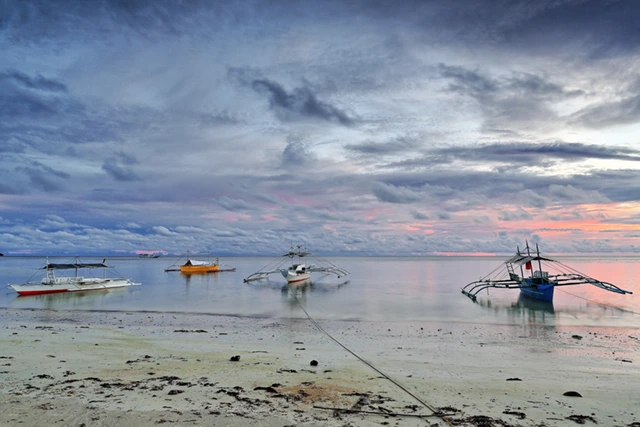 Highlights include the easy coral reef diving, quiet white sand beaches, and authentic Filipino hospitality. Sipalay has its own rustic charm and it definitely worth a visit before word gets out about how good it is! One of the best dive sites in the area is the coral gardens of Punta Ballo, known for its vibrant marine life and stunning coral formations.
Dive by: Resort
Experience level: Everyone
7. Coron & Palawan
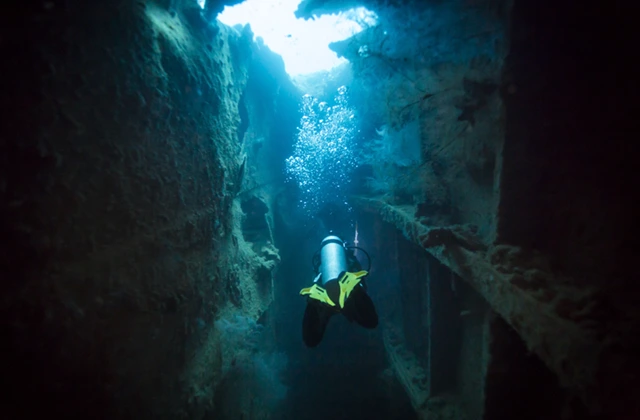
Known to many as ‘mini-Truk Lagoon’, the wrecks of Coron have earned the right to be named as some of the best wreck diving sites in the world. The lagoons and bays of the northern tip of Palawan were used a strategic post by the Japanese during WWII. Now, more than a dozen wrecks are accessible including the Kyokuzan Maru, Kogyo Maru and Morazan Maru. Wreck diving isn't the only dive attraction here. Barracuda Lake is popular among freedivers and scuba divers alike due to its unusual geothermal properties. At 16–25 metres, there's a thermocline where the water temperature is over 38°C. It's a rather peculiar experience to say the least!
 Highlights of Coron Bay are the dozen Japan WWII wrecks that are dotted among the lagoons, accessible to all range of divers these dive sites are any rust head's dream. Experienced divers will appreciate the variety of underwater experiences.
 Dive by: Resort. Some liveaboards do visit the area, but not on a regular schedule.
Experience level: Advanced
8. Ticao & Donsol
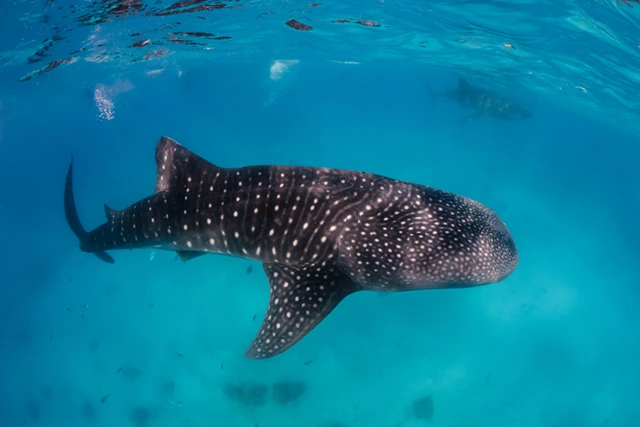
Another for those who like their marine life BIG, Ticao and Donsol is the place in the Philippines to go for manta rays and whale sharks. Ticao can be longer to get to, but for those making the journey, they’ll be rewarded the dive sites Manta Bowl. As you can probably guess, manta rays can be spotted here year round while whale sharks can be seen November through to June. The reefs here are quiet and pristine, accessed only by a handful of resorts. New dive sites continue to be being discovered, including that of a blacktip shark nursery among the island’s mangroves.
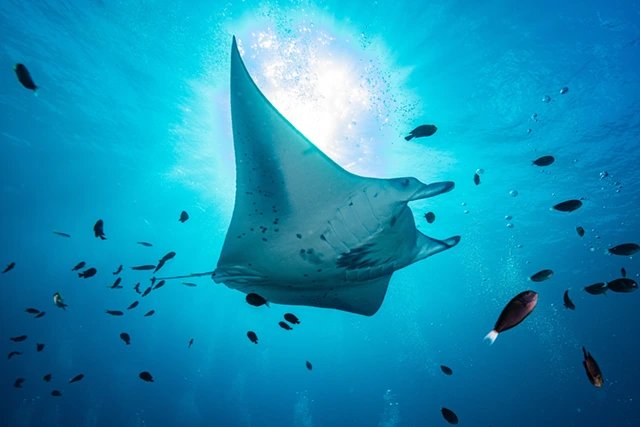 Highlights of Tiaco and Donsol are without a doubt the pelagics, manta rays and whale sharks, but also the quiet reefs and sleepy island life. A long journey, but we think one well worth making.
 Dive by: Resort
Experience level: Advanced
9. Anilao
The area of Anilao is famed for it is macro life and has also been dubbed ‘the birthplace of scuba in the Philippines’. Just two hours south of Manila, the Batungas coastline is home to some of the best muck diving in the world and is a hotspot for underwater photographers. Divers can see over 600 types of nudibranchs, pigmy seahorse, anthias, gobies, and five types of octopus including blue ringed and mimic. When the sun sets, that’s when the brave plunge into the ocean for black water and bonfire dives. Lights are either suspended over the abyss or placed on the ocean floor, this draws in alien denizens of the deep like nautilus, larval fish, squid and jelly fish of every shape and size. A favourite dive site in the area is the Twin Rocks, known for its incredible coral formations and diverse marine life.
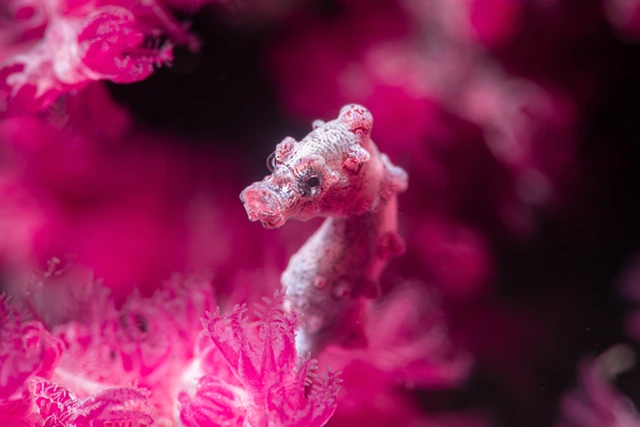 Highlights include diverse critter encounters, night diving, black water diving, bonfire diving, and easy access to nearby abundant coral reefs. Anilao is another popular stop on the Philippines island hopping holidays and as a stopover for people on their way to Palau.
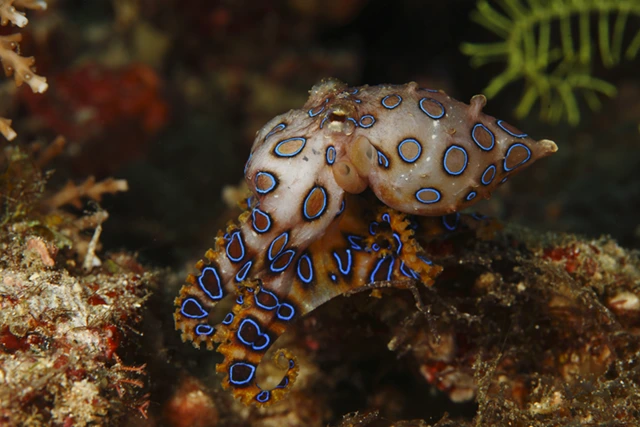 Dive by: Resort
Experience level: Advanced, particularly for black water & bonfire diving
10. Puerto Galera
It would be difficult to talk about the best diving in South East Asia without mentioning the diverse and bustling coastline of Puerto Galera. A short boat ride over the Verde Island Passage, the reefs offer a range of dive sites among the coast coves. Near Sabang there are a number of popular macro spots, while Verde Island is known for its some of the best reef diving in the Philippines, and thresher sharks can be spotted on the corner of Sinandigan. There are even a handful of wrecks for good measure.
 Highlights of Puerto Galera includes its vibrant nightlife, well established diving facilities and a range of quality dive sites. This area commonly turns into a repeat destination for many divers. Dive resorts in Puerto Galera offer convenient access to these dive sites, with amenities and packages that cater to both beginner and advanced divers.
 Dive by: Resort
Experience level: Everyone
To find out more about the diving in the Philippines, contact our expert team of experienced divers, who can help you plan your perfect Philippines diving holiday.