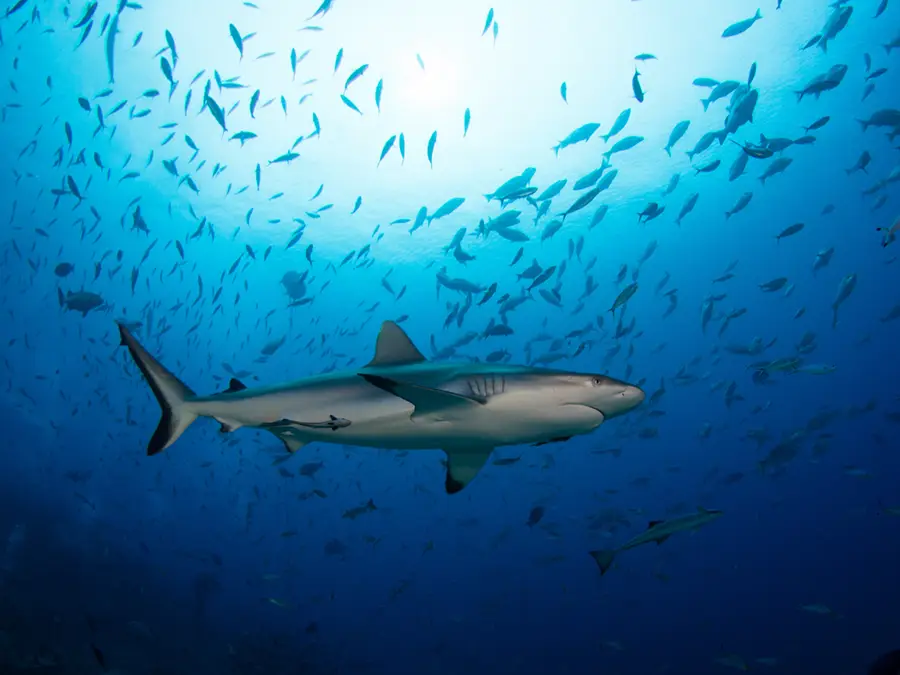
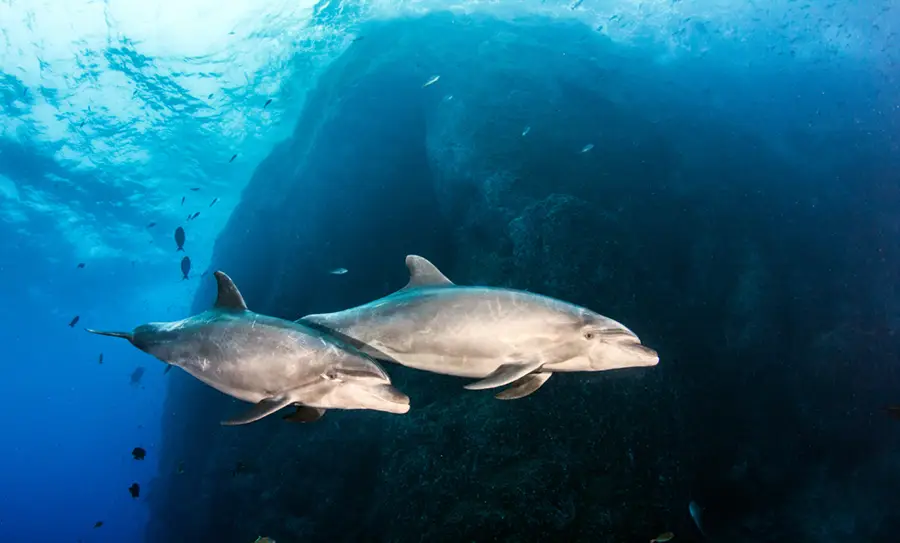
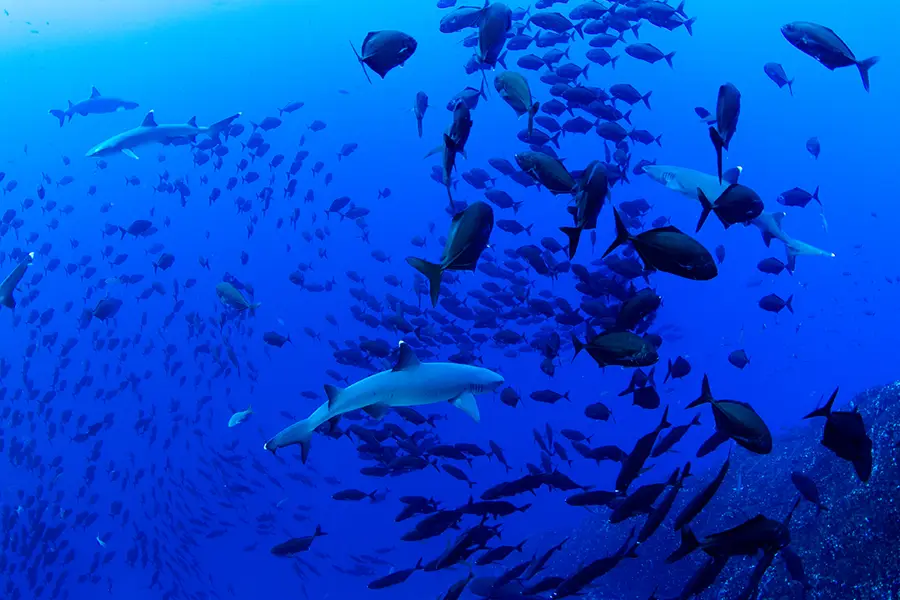
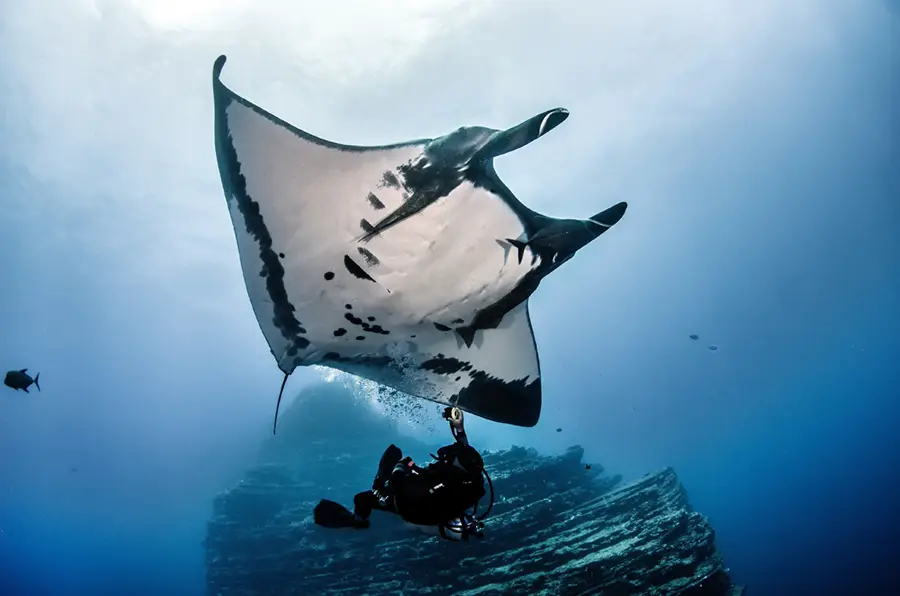
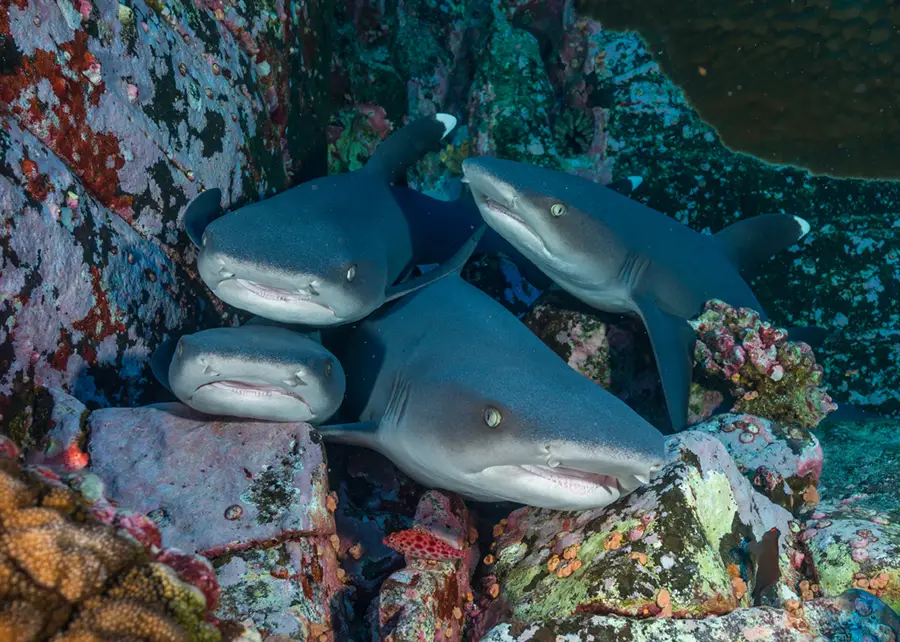
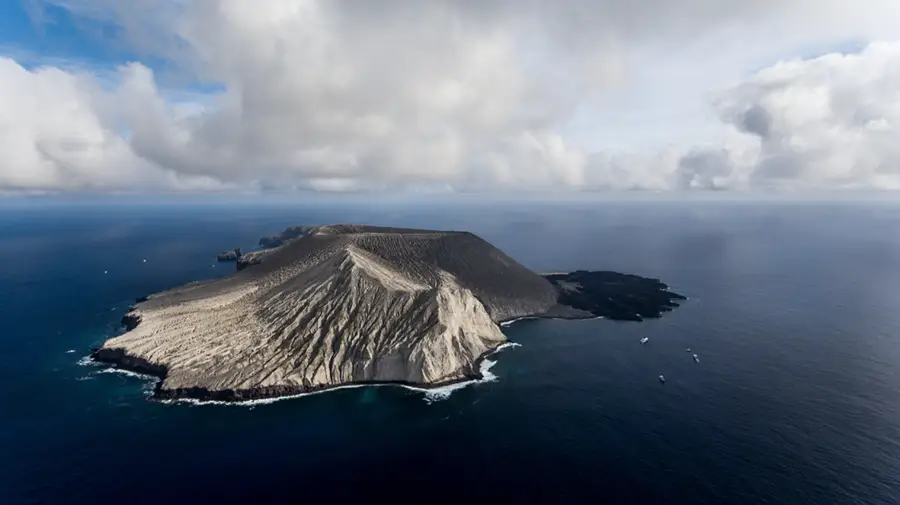
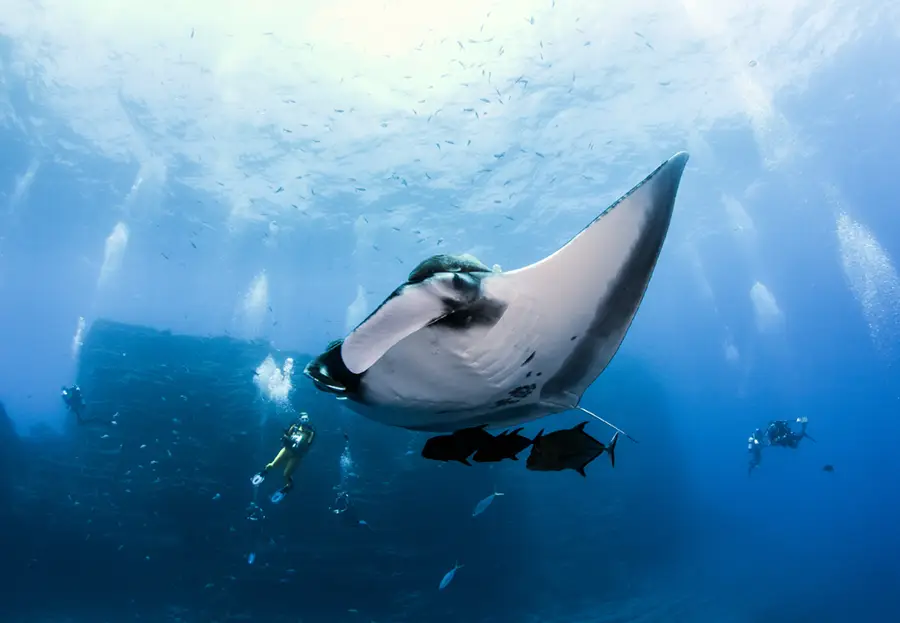
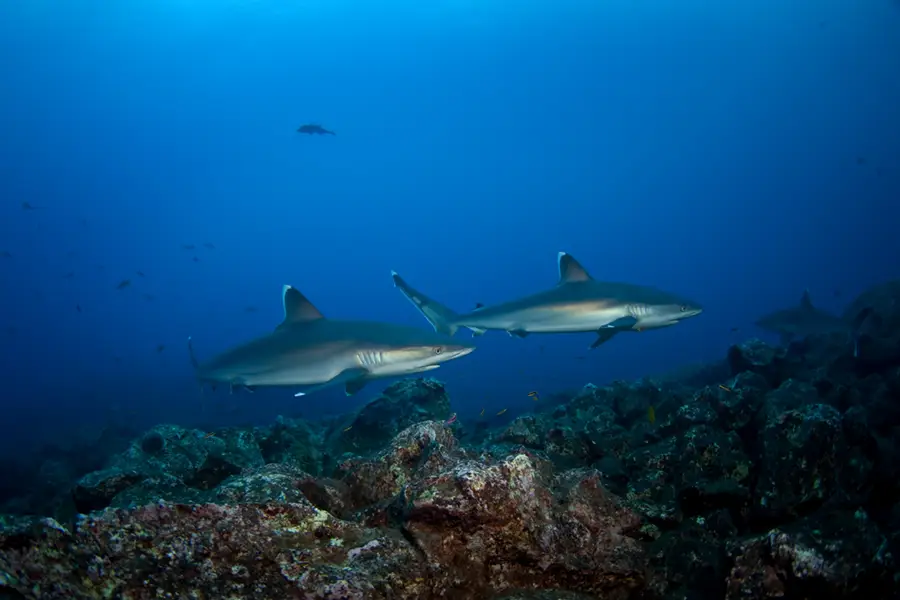
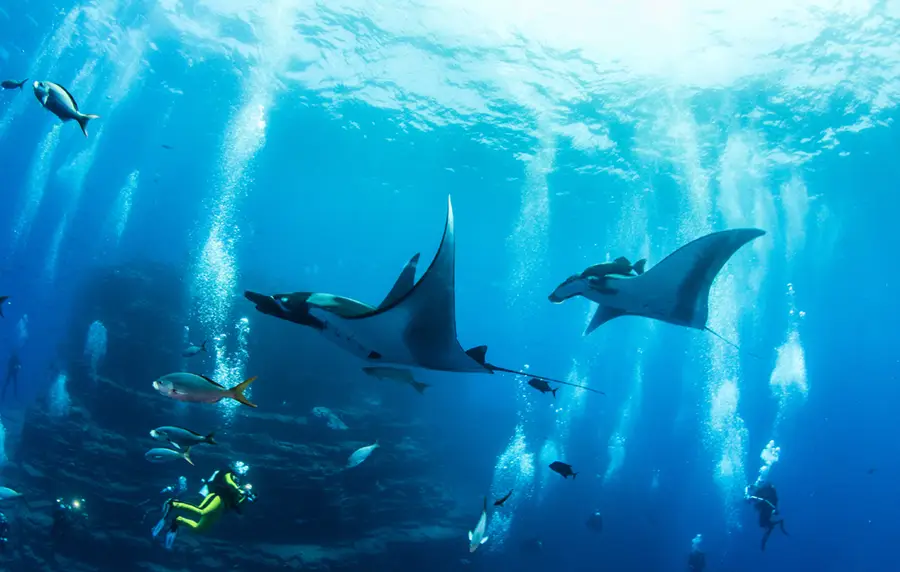
The Socorro is famous for big pelagic life such as giant mantas, sharks, dolphins and whales, in fact, the abundance of large marine species has earned the islands the title of the ‘Mexican Galapagos’.
Dive into the wonders of the Revillagigedo Archipelago, better known as the Socorro Islands—a true paradise for scuba enthusiasts. This remote volcanic region, a UNESCO World Heritage Site, is one of the Pacific Ocean’s most legendary diving destinations. Located 400 kilometres southwest of the Baja Peninsula, the archipelago includes four volcanic islands: Socorro, San Benedicto, Roca Partida, and Clarion. With no inhabitants beyond a Mexican Naval Station on Socorro Island, this untouched haven offers divers an unparalleled experience in pristine waters.
Socorro Islands Liveaboards
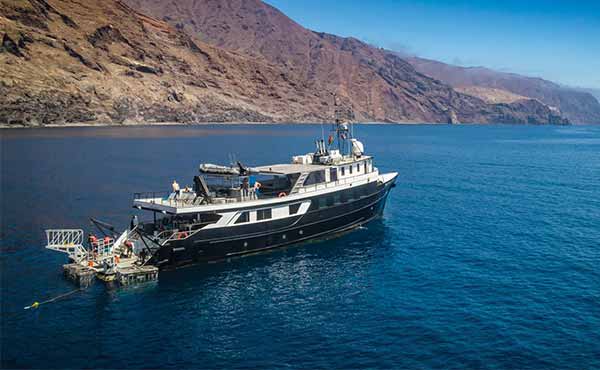
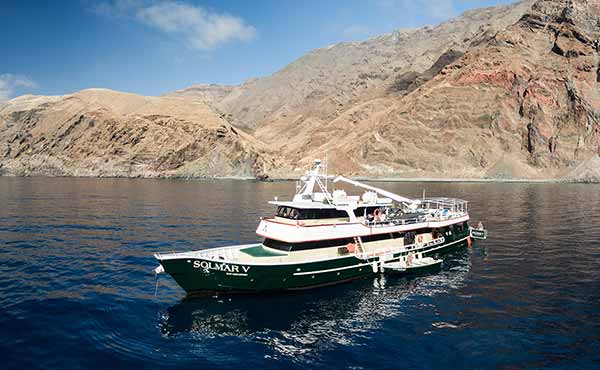
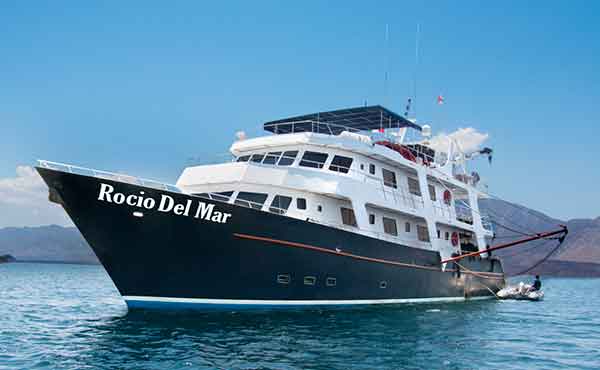
Your Socorro liveaboard trip begins with a flight to San Jose del Cabo, followed by a transfer and overnight stay in Cabo San Lucas, the gateway to the Baja California peninsula. From there, step aboard one of the dive boats offering Socorro diving itineraries, crossing from Los Cabos to the Revillagigedo Archipelago. These modern liveaboard vessels provide only access to Socorro's best dive sites, where you experience incredible big animal encounters with gentle giants like manta rays, whale sharks, and humpback whales. With en suite cabins, delicious dining, and amenities tailored for underwater photographers, these floating dive centres ensure comfort and adventure. Expert Socorro scuba guides and top safety standards make every dive unforgettable, with multiple dives per day to maximise your time exploring Socorro's legendary marine life. Perfect for individuals and groups, these liveaboard itineraries promise a seamless journey into the heart of Socorro's underwater wonders.
Discover all our Socorro diving trips
Diving Holidays to Socorro
Socorro isn't just a destination—it's an unforgettable experience. Everything here is designed to leave a lasting impression, from encounters with breathtaking marine creatures to the unmatched convenience of liveaboard trips. After an exhilarating week diving alongside sharks and pelagic marine life, you can extend your Socorro liveaboard by combining your trip with incredible destinations like the Sea of Cortez or Magdalena Bay.
"Socorro, home of the manta ray" by our good friend Mat Howell, recounts his once in a lifetime experience at this world-class diving location.
Top Socorro Dive Sites
The Revillagigedo Archipelago, including Socorro Island, with its remote location, are home to some of the world's most spectacular underwater sites, where no single dive is the same and is packed with large pelagic species. These are just a few must-dive locations during your Socorro Island diving holiday:
Roca Partida – Small in size but bursting with adventure! This iconic dive site features dramatic vertical walls alive with marine life, creating an underwater metropolis you'll never forget. Swim alongside massive schools of fish, giant manta rays, playful dolphins, and an array of sharks—including silver tip sharks, silky sharks, grey sharks, and hammerhead shark species. Roca Partida is definitely one of the most iconic dive sites in the eastern Pacific.
The Boiler, San Benedicto Island - Renowned as one of the best dive sites in the world, The Boiler offers unforgettable up-close encounters with giant oceanic manta rays, dolphins, and a variety of other marine life. This underwater pinnacle attracts photographers and scuba divers with its crystal-clear waters and the rare opportunity to interact with these majestic creatures in their natural habitat. It's a must-visit destination for anyone seeking a magical underwater experience.
The Canyon, San Benedicto Island - a premier shark-watching destination in the Socorro Islands. This extraordinary dive site offers divers the chance to witness an impressive assortment of shark species, including silver tips, Galapagos sharks, silky sharks, tiger sharks, and the breathtaking sight of enormous schools of scalloped hammerhead sharks.
Cabo Pearce, Socorro Island - this dive site is a world-renowned destination for extraordinary dolphin encounters and giant manta ray sightings. It's one of the rare places on Earth where your morning dive briefing begins with the thrilling assurance: "Manta rays are guaranteed today."
Punta Tosca, Socorro Island – Known for its stunning seascapes and the chance to encounter majestic whale sharks and humpback whales, Punta Tosca is a must-visit. It's also one of the top spots in the archipelago to see tiger sharks, Galapagos sharks, and silky sharks up close.
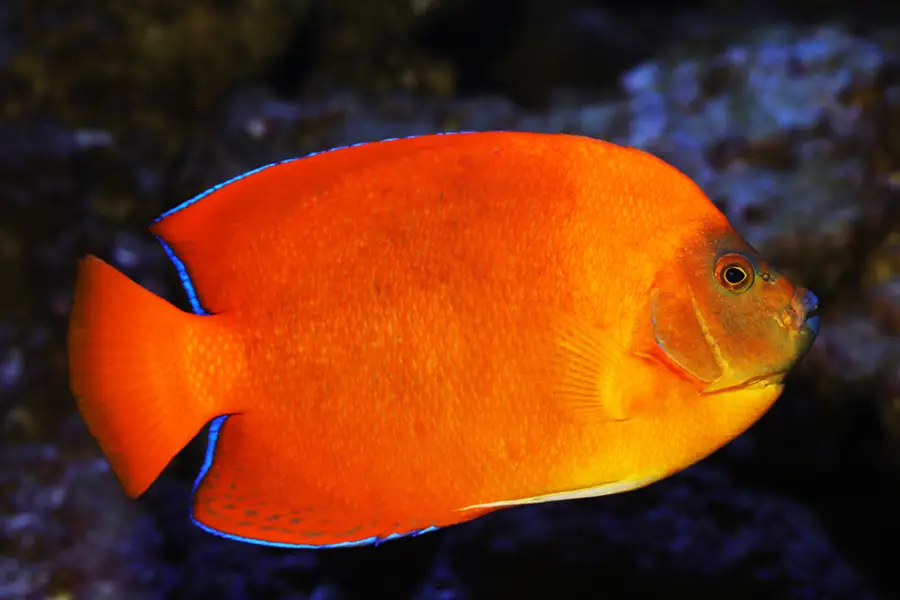
The Aquarium - Just like its name suggests, this spot is bursting with colour! You'll find red-tailed triggerfish and schools of vibrant Clarion angelfish swimming through crystal-clear waters, with visibility so good that it feels almost magical.
Pelagic Diving in Revillagigedo Archipelago
What makes the Socorro Islands a diver’s dream? The convergence of the California and Equatorial currents creates a nutrient-rich environment, attracting an incredible diversity of marine life. Expect breathtaking encounters with graceful giant manta rays, a variety of shark species, playful dolphins, and even humpback whales during their migration. The vibrant underwater world is also home to countless fish species, making every dive a new adventure.
Protected as a Biosphere Reserve since 1994 and a National Park of Mexico since 2017, these islands are a must-visit for eco-conscious divers. Whether you’re exploring the volcanic walls of Roca Partida or swimming alongside a school of hammerheads near San Benedicto, the Socorro Islands promise unforgettable underwater encounters. Pack your dive gear and get ready for the ultimate liveaboard adventure in one of the most spectacular marine environments on Earth!
Exploring Socorro's Big Marine Life
The Revillagigedo Islands, home to the renowned Socorro Island, are a true diver's paradise. This remote archipelago offers some of the world's most extraordinary pelagic diving experiences, drawing adventurers from every corner of the globe. Beneath the surface, its waters teem with vibrant marine megafauna and countless fish species, including rare endemics, creating unforgettable memories for scuba enthusiasts.
Dive into an underwater world where pelagic life takes centre stage. Glide alongside giant oceanic manta rays with wingspans reaching six metres, and marvel at schooling hammerheads and silky sharks moving in hypnotic formations. These waters are a haven for shark species, including scalloped hammerheads, Galapagos sharks, whitetips reef sharks, silvertips, blacktips, bull, tiger, and dusky sharks. If luck is on your side, you may spot a whale shark or the elusive deep dwelling thresher shark. Playful bottlenose dolphins add a touch of joy to your dives, while humpback whales, migrating from Alaska during the season, leave divers awestruck with their graceful presence. The islands are also home to four species of sea turtles—leatherback, olive ridley, hawksbill, and green—gliding effortlessly through the waters.
The excitement doesn't stop there. Massive yellowfin tuna—the largest on the planet—roam these waters alongside wahoo and Indo-Pacific sailfish, often hunting bait balls of juvenile red snappers. Schools of cottonmouth jacks and a kaleidoscope of tropical fish are also abundant. For lovers of colour and unique marine life, Socorro's volcanic underwater landscapes are adorned with vivid Clarion angelfish, endemic to the region, as well as scorpionfish, barberfish, triggerfish, leather bass, and octopuses. Every dive here offers awe-inspiring encounters and dazzling biodiversity.
Whether you're seeking your next big adventure or capturing awe-inspiring moments with your underwater camera, Socorro Island and the surrounding Revillagigedo Archipelago deliver world-class diving. With its thriving marine life, thrilling encounters, and breathtaking underwater scenery, this remote destination is a must-visit for every scuba diver.
Best Time for Diving Socorro
Socorro's liveaboard diving season runs from November to June, the ideal time to explore the island's stunning marine biodiversity. This period is considered the prime scuba diving due to its favourable weather, calm seas, and abundant marine life, ensuring safe and enjoyable trips. During the off-season from June to October, Socorro liveaboards do not operate due to unpredictable weather and the risk of storms, which make crossings and diving unsafe.
You and your fellow divers are in for a treat, diving in Socorro during peak season promises unforgettable marine encounters. From January to March, the islands transform into a sanctuary for bottlenose dolphins, offering rare opportunities to observe these incredible creatures in their natural environment. During the same period, humpback whales migrate to the area, seeking warm, tranquil waters to breed and calve—a truly magical experience for those fortunate enough to witness their journey. As the season transitions to May and June, divers are treated to the awe-inspiring sight of hammerhead and silvertip sharks gathering in impressive schools. During this time, liveaboards may head to one of a number of hammerhead cleaning stations in the area. Another popular time to visit is from May to July, during the baitball season. This season brings a spectacular natural event as Indo-Pacific sailfish and pilot whales join sharks in hunting bait balls of fish. For scuba enthusiasts, witnessing these encounters is an unforgettable and awe-inspiring experience.
Water temperature ranges during peak diving season between 23°C and 27°C. For optimal comfort, most divers recommend wearing a full 5mm wetsuit with a hood, especially if you're planning to do multiple dives in a day—up to four dives are common, weather permitting.
Experience Needed for Diving in Socorro
For experienced divers, diving Socorro is an unforgettable experience. Traditionally, the best big animal sightings are found in waters with challenging conditions, suitable for advanced and experienced divers. Here, currents swooping around four tiny islands attract apex predators such as sharks. Drift diving is often the game's name, and divers are recommended to have advanced open water qualifications with at least 50 dives under their belt. Many operators also recommend having a deep diver speciality certification to enjoy the breathtaking vertical walls of Socorro fully.
Socorro diving is typically done from pangas or RIBS, which requires divers to feel confident and comfortable getting on and off them in open water. Additionally, since much of the diving in Socorro involves drift diving due to the currents, all divers need to be proficient in using an SMB (Surface Marker Buoy). Combined with the electronic locator, beacons commonly used by most boats ensure additional safety for scuba divers.
Socorro's Climate
This stunning archipelago offers a tropical sub-humid climate, with summer rains adding a vibrant touch to its weather. On Socorro Island, you'll find a mix of tropical semi-dry and subtropical sub-humid zones, creating conditions for a variety of cactus and leaf plants. During the summer months, occasional rains enhance the island's lush beauty, making it a truly unique sight.
From November to May, the dry season transforms the region into a paradise for marine life explorers. Scuba diving enthusiasts will love the warm water temperatures, ranging from 23°C to 27°C during the diving season. Crystal-clear visibility of up to 30 metres reveals the stunning underwater world, where you can glide alongside giant Pacific manta rays, spot playful dolphins or watch reef sharks in a feeding frenzy.
Between June and October, the wet season ushers in increased rainfall and the possibility of tropical storms. With rougher seas and challenging conditions, this period is considered the low season and unsuitable for liveaboard trips.
Discover the Bird Species of Socorro
Beyond its famous diving spots, Socorro's four islands are a haven for global biodiversity, serving as a sanctuary for many endemic species. These include the Socorro blue lizard, the Clarion Island tree lizard, and the Clarion Island whip snake, alongside an array of unique plants and countless invertebrates. The island also provides a critical breeding ground for seabirds such as wedge-tailed shearwaters, red-billed tropicbirds, and both Nazca and Northeast Pacific brown boobies. Socorro's unique ecosystem sustains these species, making it a vital hub for Pacific biodiversity.
Socorro is home to rare and unique species found nowhere else in the world, including the critically endangered Socorro mockingbird, the vibrant Socorro parakeet, and the elusive Socorro elf owl. Other notable treasures include the majestic Socorro red-tailed hawk and the charming Socorro towhee. These birds rely heavily on the island's ecosystem, emphasising its importance as a sanctuary for rare and endangered species. Critically endangered birds like Townsend's shearwater depend entirely on Socorro for survival, underscoring the urgent need to protect this island.
In addition to its resident species, the island provides refuge for migratory and vagrant birds crossing the Pacific. Visitors like the great blue heron, Hudsonian curlew, spotted sandpiper, and wandering tattler pass through, while others like the brown pelican, osprey, and peregrine falcon find temporary shelter. Socorro Island's role as a sanctuary for local and transient species highlights its significance for global biodiversity conservation.
View suggested itinerary