Zanzibar offers divers abundant marine life, including whale sharks migrating through the surrounding waters from Aug-Sep and Feb-Mar. August sees the migration of humpback, and sperm whales.
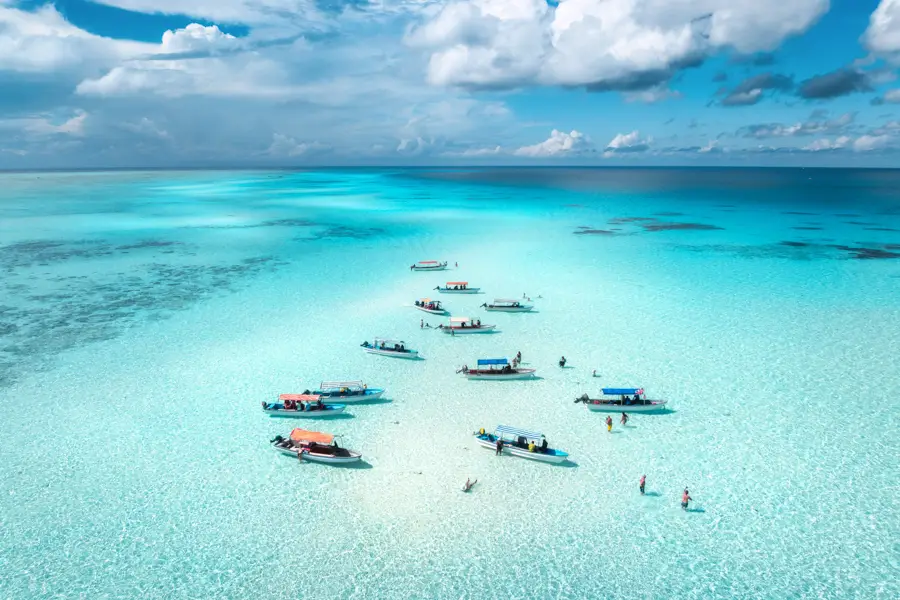
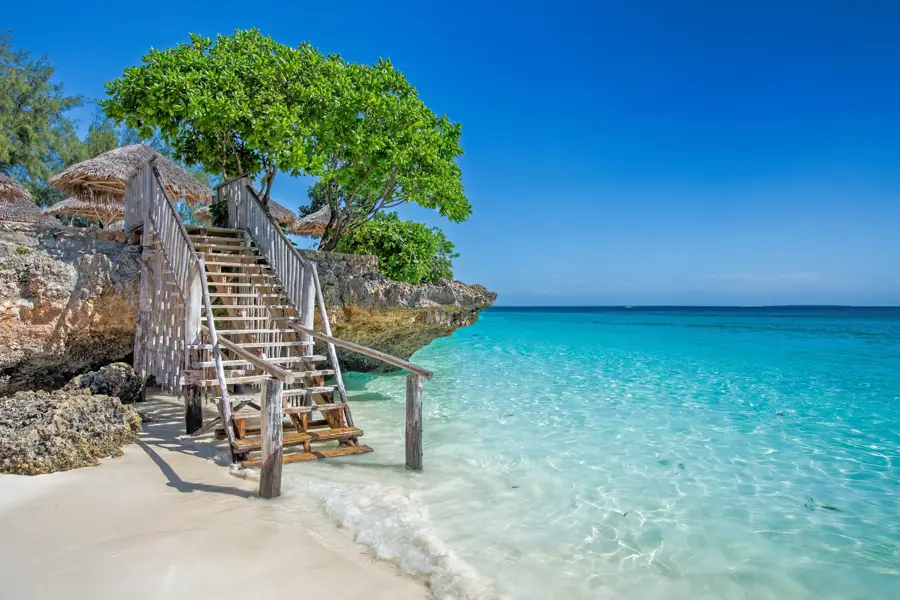
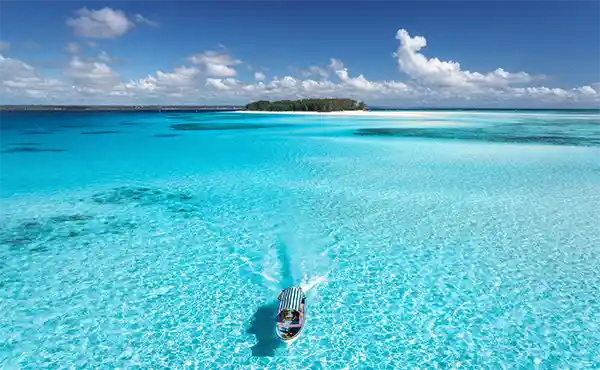
Situated off the coast of Tanzania on the balmy shores of East Africa, Zanzibar Island and the surrounding Zanzibar Archipelago are a diver’s paradise, famed for its idyllic beaches, warm Indian Ocean waters, and vibrant coral reefs. The archipelago comprises two main islands, Unguja (commonly called Zanzibar) and Pemba Island, plus smaller islets and the celebrated Mafia Island. Whether planning a diving holiday in Zanzibar or seeking the best scuba diving adventures in the Indian Ocean, this region offers unforgettable underwater experiences for both novice and advanced divers.
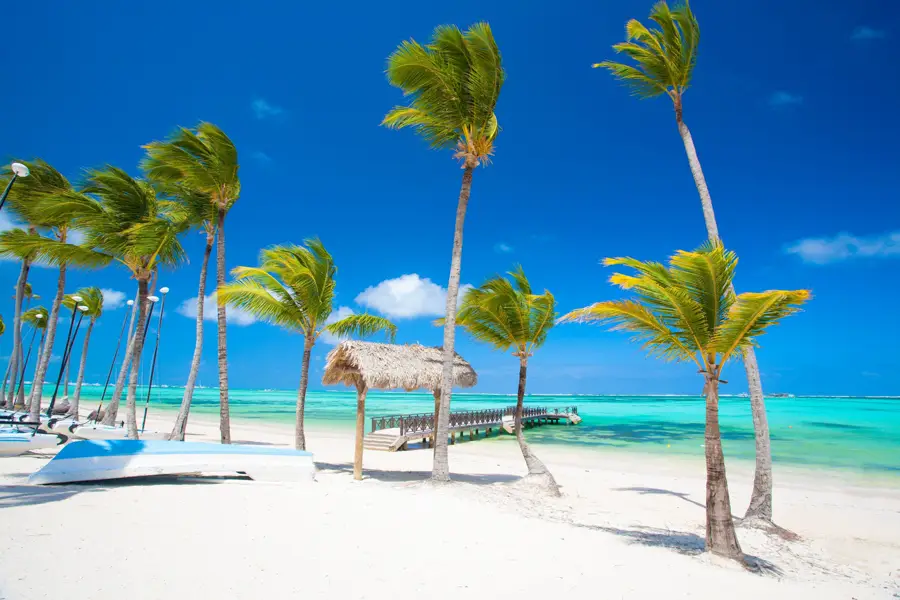
The island is a flat, palm-clad coral atoll surrounded by a coral reef structure. Shallow coral reefs, sloping banks and vertical drop-offs with hard and soft corals and over 500 species of Indo-Pacific marine fauna await you and offer an ideal opportunity to learn to dive or to upgrade your diving qualification.
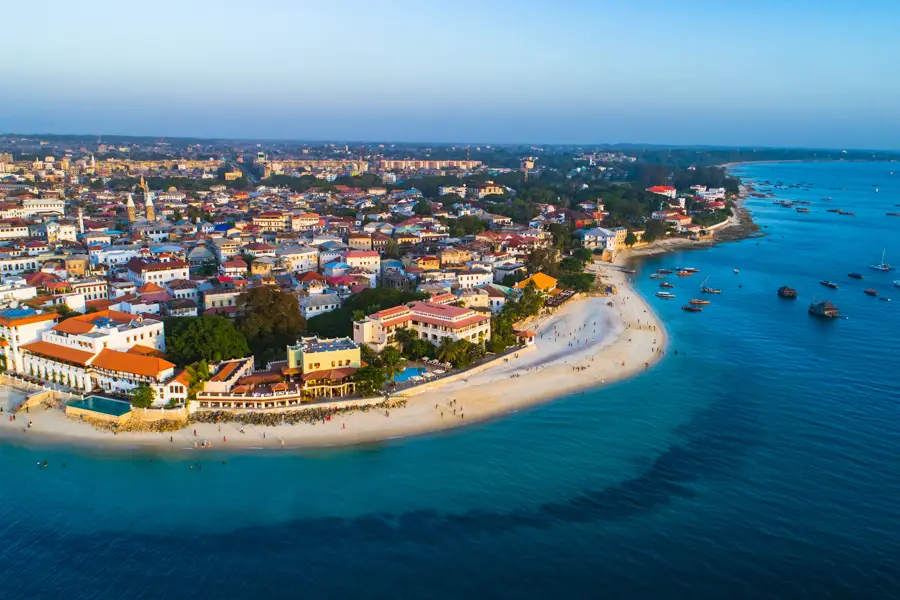
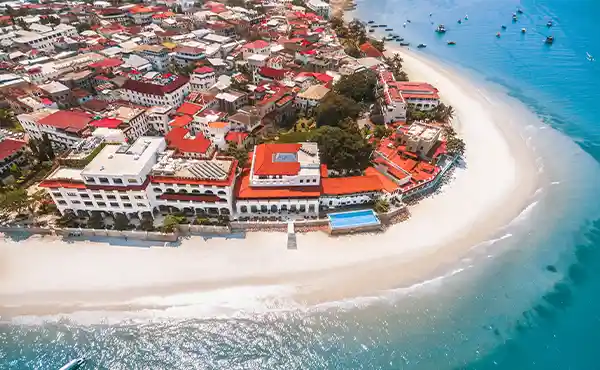
Stone Town, a UNESCO World Heritage Site, is the heart of Zanzibar’s rich history, defined by winding alleyways and a tapestry of Swahili, Arabic, Indian, and European influences. But it's the underwater world that draws scuba divers from around the globe. Local dive centres cater for all abilities, from newcomers eager to enjoy scuba diving amid tropical fish, to experienced divers seeking deep and drift dives and exclusive underwater encounters amid the best dive sites the Indian Ocean has to offer.
Marine Life & the Underwater World
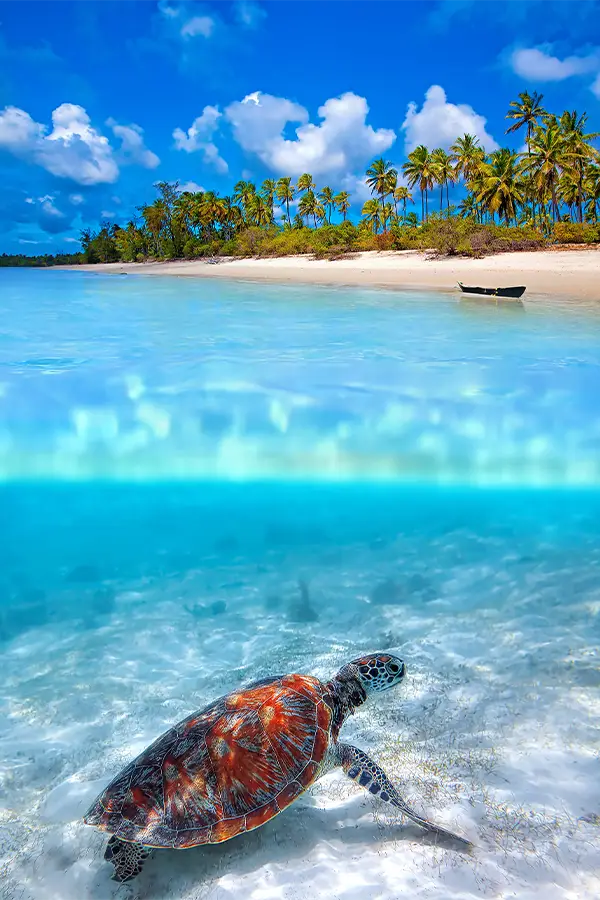
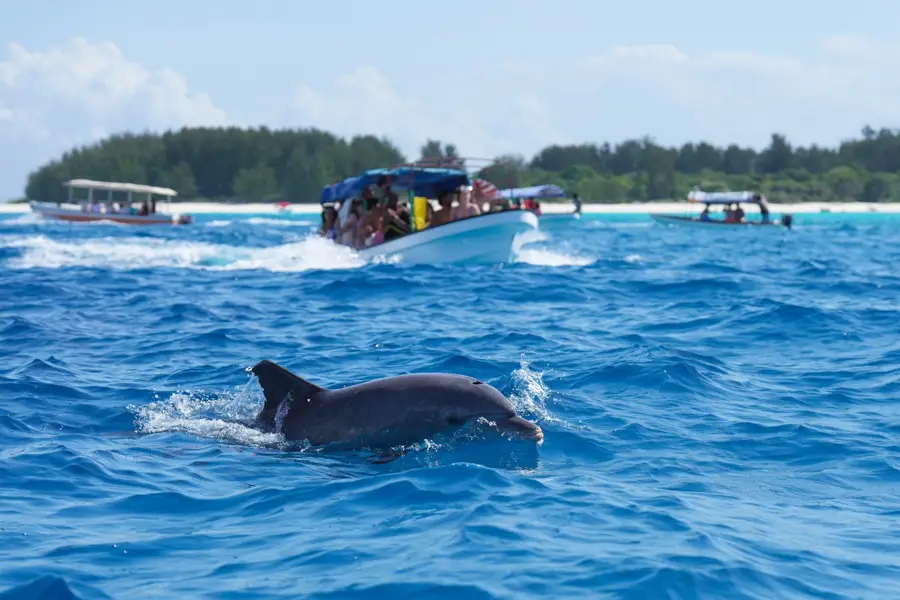
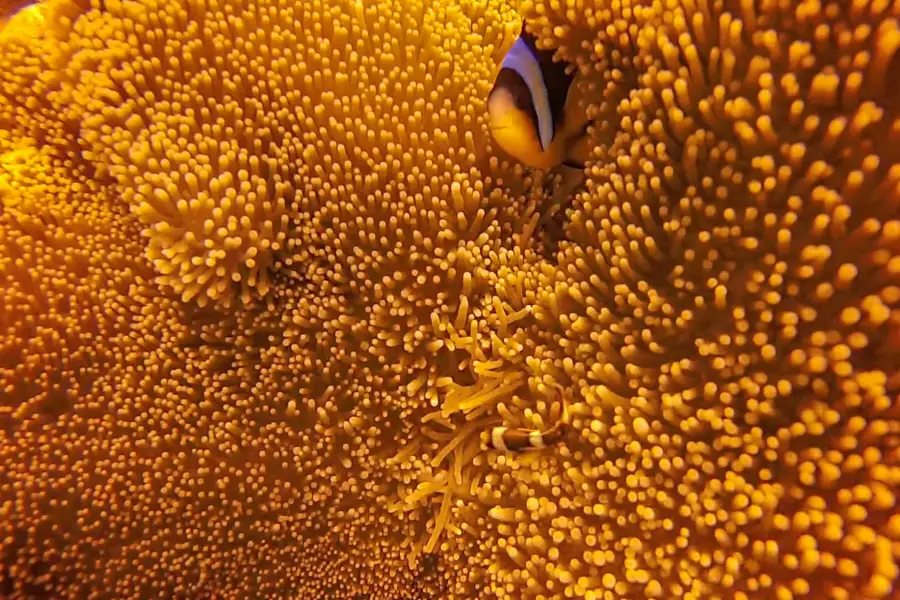
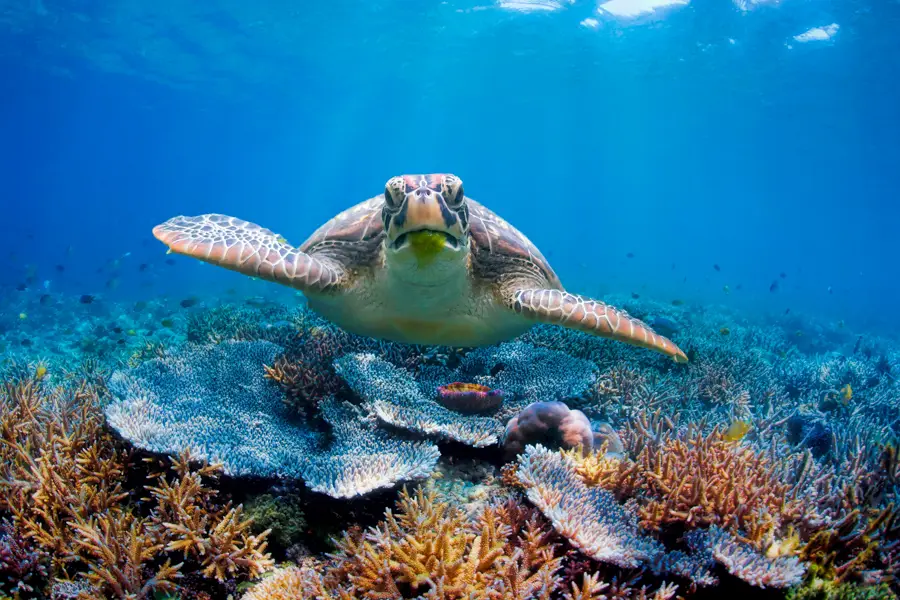
Zanzibar’s reefs are a haven for marine life, with colourful coral gardens alive with reef fish such as leaf fish, butterflyfish, parrotfish, and schools of yellowfin tuna. Reef sharks, giant groupers, and charismatic Napoleon wrasse can be found patrolling the outer reefs, while sea turtles and dolphins elegantly cruise through the crystal-clear sea. Whale sharks are occasional seasonal visitors - October to February is the prime period to spot these ocean giants during a diving holiday in Zanzibar.
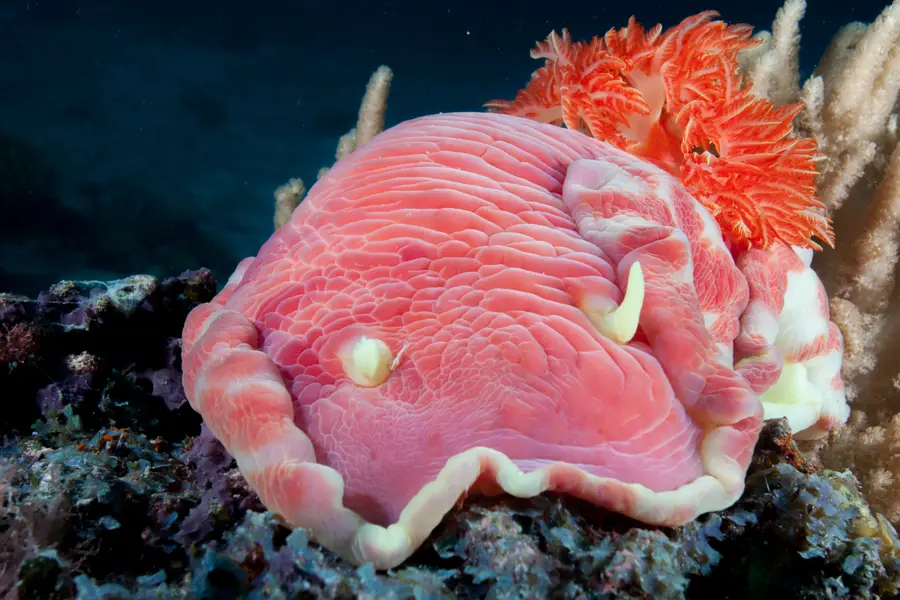
Macro photographers will relish the rich biodiversity on offer. Nudibranchs, crocodile fish, mantis shrimps and ghost pipefish populate the reefs, while flamboyant cuttlefish and harlequin shrimps are a visual delight for those excited to discover the smaller reef dwellers of Zanzibar’s underwater world. It's this diversity that ensures every diving adventure is unique, shaped by the rhythms of the sea and the changing tides.
Night dives in Zanzibar provide unforgettable experiences, allowing you to encounter fascinating nocturnal marine life. One of the best places to enjoy this adventure is around Mnemba Atoll, known for its vibrant coral reefs, diverse sea creatures, and calm, clear waters. This renowned area offers the perfect setting for exploring Zanzibar’s underwater world after dark, making it a must-visit spot for diving enthusiasts.
Best Dive Sites on Zanzibar Island
The archipelago’s top dive sites can be found along both the east and west coasts of Zanzibar. At the northern tip, dive centres around Nungwi Beach and Nungwi Village provide easy access to vibrant coral gardens and steep walls, home to big game fish like kingfish and barracuda. Popular dive sites in the area include Shane's Reef and Hunga Reef.
Leven Banks, off the north coast, is popular with advanced divers. Here, in strong currents, you can find big schools of tuna, trevally, king fish, barracuda, wrasses, big moray eels and large schools of reef fish. The East Coast is where untouched reefs face open ocean, offering a huge variety of marine life and the possibility of encounters with big oceanic fish.
Mnemba Atoll, a renowned marine reserve off the east coast, is regularly cited as the best scuba diving and snorkelling site in Zanzibar. Here, the coral reefs host an abundance of tropical fish, occasional green turtles, and dolphins. Kichafi Reef to the north is another standout, beloved by both divers and underwater photographers for its vibrant coral formations and prolific reef fish.
Tumbatu Island, nestled just off the northwestern part of Zanzibar, offers a secluded and exclusive underwater escape. Beneath the surface, the gentle slopes of its fringing reefs are a sanctuary for rare macro life; keen-eyed divers can discover ornate ghost pipefish, camouflaged frogfish, and a dazzling array of nudibranchs nestled among the soft corals. The reefs are teeming with reef dwellers, from leaf fish to the occasional ribbon eel swaying in the current.
For those staying near Stone Town, the sheltered waters of Bawe Island deliver excellent visibility, relaxed diving conditions, and the pleasure of discovering world-class reefs. Zanzibar features several historical small wrecks accessible from this location. The most famous is the British-built, The Great Northerner, which sank near Pange Reef in 1897. Nearby, the Royal Navy Lighter sank in 1914 and is another popular wreck dive. Although small, these wrecks have transformed into reefs, offering a fascinating glimpse into the past. They are now colonised by vibrant corals and a wealth of marine species such as large groupers, moray eels, octopuses, crocodile fish, and stone fish.
Best Time to Visit Zanzibar Island
Scuba diving in Zanzibar is a year-round pursuit. The water temperature remains pleasantly warm, typically between 26°C and 30°C, with excellent visibility—often more than 30 metres—making it an appealing destination for two consecutive dives a day.
While diving in Zanzibar is excellent year-round, sea conditions vary by season. The peak conditions for a diving holiday in Zanzibar occur in March, October, or November, when the weather is great, visibility is excellent, and marine life is thriving. Between October and March, whale shark enthusiasts may have the chance to spot these gentle giants passing through the Zanzibar archipelago. April to May marks the rainy season, with good underwater conditions but rain and wind on the surface. From June to September, south winds (Kusi) bring slightly windy but still good diving conditions, while December to February sees north winds (Kaskazi), with December and January the windiest months, making boat trips choppier. Throughout the year, expect vibrant marine life, including turtles, dolphins, reef fish, and occasional big game species like marlin and tuna.
With lovely water temperatures throughout the year, a 3mm shorty is usually all that's required for a dive, though a full-length 3mm wetsuit is recommended for those who prefer more warmth or are doing multiple dives.
Zanzibar Diving Holidays Accommodation
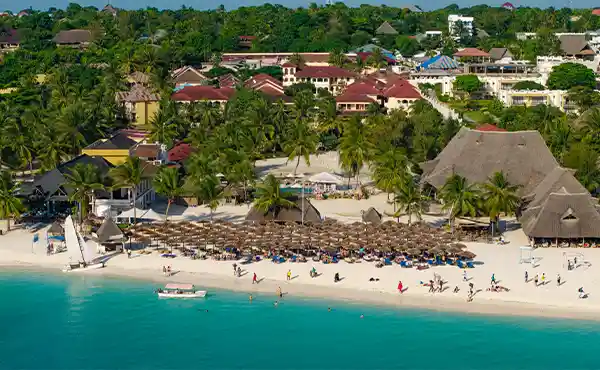
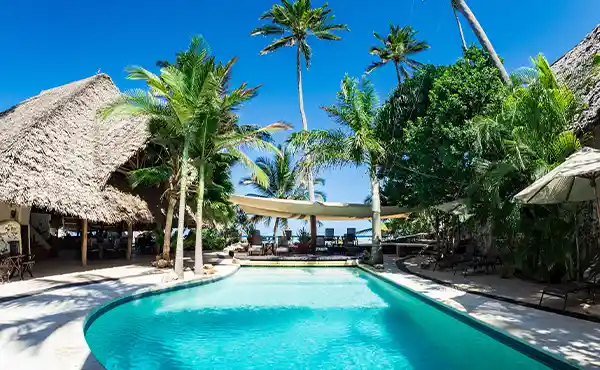
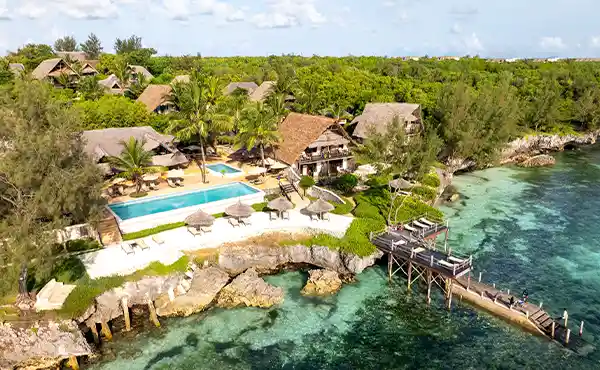
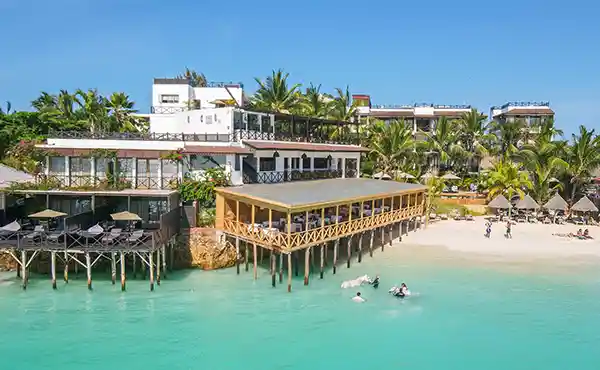
Zanzibar is dotted with lodges, boutique hotels and luxury resorts, especially along the sun-kissed coasts of Nungwi, Kendwa and Matemwe. Many accommodation options in Zanzibar offer easy access to the island’s best dive sites, with shuttle boats ready to whisk groups to Mnemba Atoll, Leven Bank and Tumbatu Island. Most dives are run by reputable dive centres and are led by certified dive masters, ensuring safety and an enjoyable experience for both beginners and advanced divers.
Dive packages often feature small groups and include daily boat dives, equipment hire, and guidance from knowledgeable local dive experts. For those wishing to expand their skills, there are plenty of opportunities for further dive education, from open-water certifications through to technical diving. Non-divers or those wishing to relax between dives can enjoy Zanzibar’s white-sand beaches, spa treatments, and delicious cuisine at seafront boutique hotels.
Exploring Zanzibar Beyond the Reefs
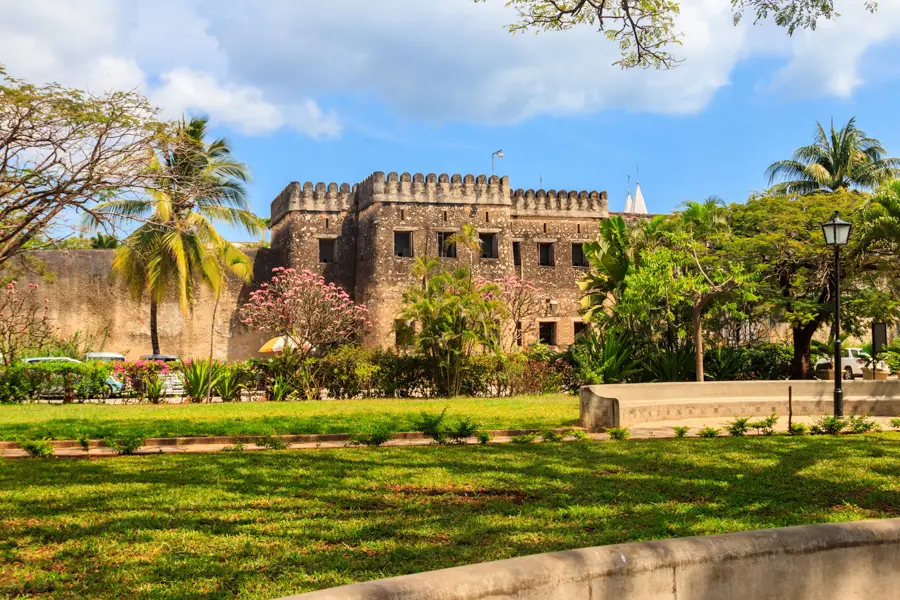
Topside, historic Zanzibar’s rich cultural heritage is much in evidence. Its cultural heart is the old city, Stone Town, characterised by a labyrinth of narrow streets, bazaars and grand Arab houses. Elsewhere are ruined palaces, the famous Persian baths and caves where slaves were once imprisoned. Other popular choices among visitors include The House of Wonders (Beit-al-Ajaib), The Old Fort Museum, and The Palace Museum (Beit-al-Sahel) and the Freddie Mercury Museum.
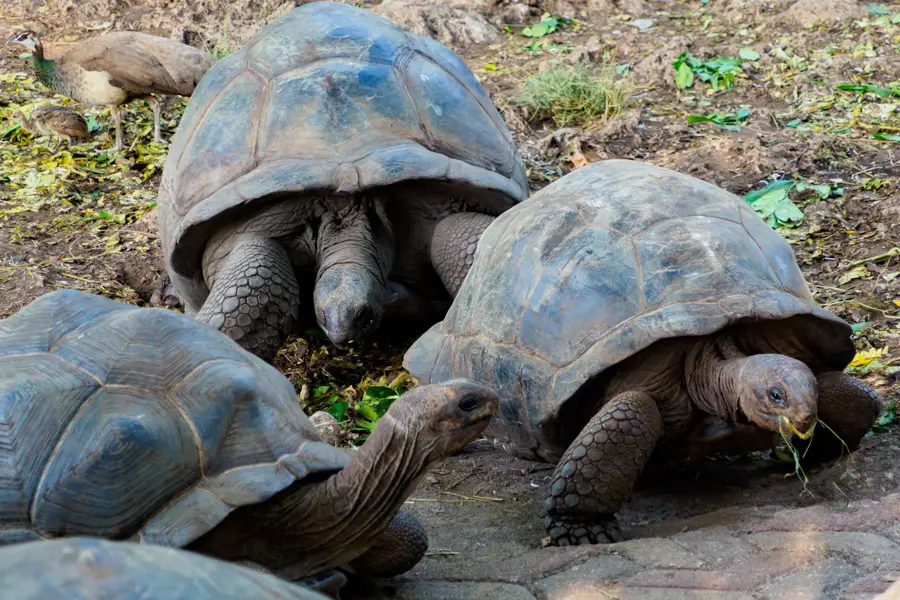
Zanzibar’s lush landscapes are adorned with coconut palms, mangrove forests, and fragrant spice plantations brimming with cloves, nutmeg, and cinnamon. Beyond its vibrant flora, the island is also home to unique wildlife, such as the endemic Zanzibar red colobus monkey and giant Aldabra tortoises, offering nature lovers an unforgettable experience.
Location Hopping Holidays in Tanzania
An exceptionally popular choice is to weave together the magic of the ocean with Africa’s legendary wildlife. Pairing the azure waters of Zanzibar with a mainland Tanzania safari creates a truly spectacular East African odyssey.
After marvelling at vibrant coral gardens and dancing reef fish, venture inland to witness the raw majesty of the bush. Journey to Saadani National Park, a unique sanctuary where the beach meets the bush, allowing you to spot elephants wandering near the surf or lions lounging under coastal palms. For a truly breathtaking spectacle, explore the Ngorongoro Crater, a verdant volcanic caldera teeming with populations of black rhino, zebra, and wildebeest. Alternatively, seek out the "Big Five" within the vast, untamed wilderness of the Selous Game Reserve, where boat safaris along the Rufiji River reveal enormous pods of hippos, basking crocodiles, and an array of colourful birdlife. Contact us to plan your safari and diving holiday in Tanzania.
View suggested itinerary