A hundred kilometres north of Zanzibar, and 50 kilometres east of mainland Africa, Pemba remains Tanzania's lesser-known dive destination. Its dive sites around Pemba Channel feature stunning walls, mantas at Manta Point, and extraordinary macro life that reward those who make the journey.
Few divers have found their way to Pemba. Fewer still know what they're missing. Pemba Island sits quietly off the Tanzanian coast, largely overlooked, and waiting to be discovered. Pemba Island used to be known as "the green island". This name originates from Omani traders who settled here in the 10th century. Clove trees cover much of the interior, over three million of them, while forests like Ngezi are one of the last indigenous habitats on the island that include rare mangrove ecosystems. The island's serene coastlines, like the remote sweep of Vumawimbi Beach, and culturally rich landmarks such as the ruins at Mkama Ndume, reflect the influence of both African and Arab heritage. For the fortunate few who have dived Pemba, it leaves a lasting impression - one that keeps them coming back.
Diving Pemba Island
What sets Pemba apart underwater isn't any single species or site, but the overall condition of the reefs. Clear visibility is the norm, regularly sitting between 20 and 40 metres, and the deep drop-offs are dramatic. Large pelagic fish patrol these waters in numbers that rarely get the chance to become accustomed to visitors.
With over 25 dive sites spread across the island, diving in Pemba suits a range of experience levels. Many of its signature dives involve strong currents and significant depth, making them particularly well-suited to advanced divers who know how to read the water and time their entry around slack tides and low tide windows. Dive trips are arranged to reach the more remote diving spots, and night dives reveal an entirely different cast of characters.
A handful of dive centres operate along the western coast of the island, offering a full range of scuba diving courses for beginners and advanced divers, as well as daily boat trips to some of the most iconic dive sites. Each dive centre uses speedboats, with journey times ranging from 10 minutes to about an hour, depending on the site. This gives divers the opportunity to explore multiple sites in one day, with two dives per day the most popular option, leaving the afternoon free for chilling on the beautiful beach, watersports or local trips. Selected dive centres also offer night dives, where the reef transforms entirely. Squid, octopus and cuttlefish emerge from the shadows, while keen-eyed divers can spot nudibranchs, mandarin fish, ghost pipefish and pygmy seahorses tucked amongst the coral.
Marine Life Around Pemba Island
Pemba's reefs are thriving. In the shallows, hard corals like brain, table, and staghorn corals are found in good numbers. Go a little deeper, and you can find soft corals and gorgonian sea fans swaying in the steady current of the Pemba Channel. The soft coral gardens support an extraordinary range of marine creatures, and nearby mangroves are essential to the local ecosystem, feeding the waters with life and making the area a magnet for all kinds of juvenile species.
The reef fish here are varied and abundant. Napoleon wrasse cruise the walls; eagle rays and green turtles are regular sightings, as are moray eels tucked into crevices along the reef. Potato groupers and barracudas gather in the gaps, and reef sharks are occasionally spotted on deeper dives. Where the reef opens into blue water, large pelagic fish such as tuna, wahoo and jacks are often present. Other marine life worth looking out for includes leaf fish and flickering shoals of fusiliers and colourful anthias.
A local dive site called Manta Point offers some of the most memorable manta ray encounters in East Africa. Whale shark sightings have also been recorded in Pemba's waters, adding another reason to keep your eyes on the blue during a drift dive along the channel edge. Even a first dive in these waters reveals the untouched underwater world that makes Pemba diving stand out. Wreck diving opportunities are also available, adding to the diversity of options for those seeking a spectacular scuba diving experience.
Pemba is also an outstanding destination for macro life. The reefs hold a good range of cryptic species such as nudibranchs, leaf fish, frogfish, and ghost pipefish. Popular local macro photography subjects also include mantis and harlequin shrimps and Spanish dancers, while tiny reef inhabitants such as pygmy gobies and blennies will no doubt test your underwater photography skills.
Best Diving in Pemba Island
Misali Island Marine Conservation Area. Off Pemba's central-west coast, Misali Island sits within a protected marine area widely considered the crown jewel of diving in the archipelago of three islands. The three main sites, Coral Gardens, The Crack, and Misali Wall, each offer something distinctive. Coral Garden is a sprawling reef system with vibrantly healthy shallow reefs, well-suited to divers on their first dive here. It's ideal for observing schooling fish in calmer conditions with good visibility throughout. The Crack is a narrow channel that cuts through the reef, concentrating marine life in a way that feels almost theatrical. Misali Wall drops away into deep, blue water. Large pelagic fish work the current edge, and it's not uncommon to spot barracuda, giant trevally, and eagle rays cruising the water column. Reef sharks patrol the deeper sections, while Napoleon wrasse drift in gentle currents along the wall face.
Njao Gap. The gaps cutting through Pemba's northern reef system account for much of the island's reputation amongst experienced divers. Beautiful gorgonian sea fans, soft corals, and vibrant marine life line the walls. Napoleon wrasse and larger pelagic fish, including reef sharks, are regular sightings here. Currents push significant volumes of water through the channel, creating ideal drift-diving conditions.
Manta Point. The far north of Pemba holds the island's two best diving spots. Manta Point is why many divers make the journey here: a world-class dive site and cleaning station where manta rays gather above a deep-water seamount, particularly between July and November. Swiss Reef, meanwhile, is mainly hard coral but with plenty of anthias, fusiliers, and diverse pelagic fish. Its numerous nooks, ledges, and rich macro life, including cryptic species like frogfish and ghostpipefish, can keep a patient diver occupied for an entire session. The house reef at Swiss Reef is also well worth a dedicated dive for those drawn to macro photography.
Fundu Gap, near Fundu Lagoon on the island's west coast, holds two outstanding sites. Fundo Deep Freeze is a wall dive that earns its name from upwellings of cold water hitting unexpectedly at depth. The Pinnacle, a seamount rising from the deep, reliably draws barracuda, reef sharks, and other marine life, making it a favourite amongst advanced divers exploring the west coast dive spots.
One of the best wreck dives Pemba has to offer is the SS Paraportiani, a 94-metre Romanian cargo ship that struck a reef and sank in 1967 whilst carrying wheat. She now rests in shallow water no deeper than 15 metres, her hull draped in soft corals and patrolled by copper-coloured sweepers, lionfish, scorpionfish, and the occasional barracuda. Gentle currents can change to strong in the instance, so the site is best suited to experienced divers.
East coast reefs forming the leeward side of the island see fewer divers, allowing pelagic and schooling fish and other marine life to move with a natural confidence rarely observed in busier locations. Hard corals remain in good condition, reef fish thrive, and the sandy bottom between coral structures is worth exploring for flatfish, rays and other camouflaged species.
Best Time to Visit Pemba
Pemba has a tropical climate with two rainy seasons. The best time to dive Pemba is between July and March. That's when the water is exceptionally clear, and the weather and diving are at their best. If you're hoping to see manta rays at Manta Point, aim for October or November as these months offer the best chance for an unforgettable encounter.
Water temperatures generally stay between 24°C and 29°C, so a light wetsuit is usually all you need. The main rainy season, called Masika, stretches from March to May, and a shorter rainy spell, Vuli, hits in November and December. April and May are when the seas are roughest and visibility drops, so some dive sites, including wrecks, might be off limits. Outside the rainy spells, you can find great diving all around the island and plenty of unspoiled underwater scenery to explore.
Combining Pemba with Tanzania
Just 30 minutes from Dar es Salaam, Pemba works beautifully as part of a twin-centre holiday, pairing spectacular diving with some of Africa's finest game parks. Getting there's straightforward. Direct flights operate from Zanzibar and mainland Tanzania, and ferry services run regularly from Zanzibar to the island.
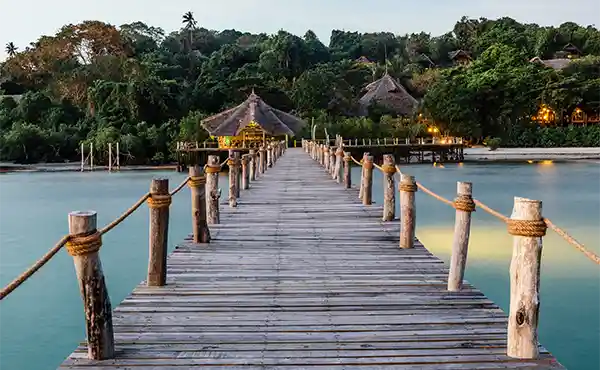
Pemba's finest accommodation sits along its western shores. The Manta Resort stands out, famed for its remarkable Underwater Room, a partially submerged suite where guests sleep surrounded by marine life. For something more secluded, Fundu Lagoon offers a tucked-away retreat with views across the beautiful lagoon. Both capture the island's spirit well.
Pemba & a Tanzania Safari
Pemba is a perfect match for Tanzania's famous safari circuit. Popular choices include a week spotting lions and elephants in the Serengeti or Selous, then unwinding on Pemba's untouched reefs. It's the best of both worlds: wildlife adventures on land, then laid-back days by the sea.
Pemba & Mafia Island
For divers who want to stay underwater, combining Pemba with Mafia Island to the south makes for a well-rounded Tanzania diving holiday. Mafia Island diving, with its own marine park, is particularly well-known for whale shark encounters between October and March. This offers a very different scuba diving experience from Pemba's coral pinnacles, walls, and gaps, but it complements it in the best way.
Pemba & Zanzibar
The most popular combination is Pemba and Zanzibar. With just a short 30-minute flight separating the two, it's easy to travel between islands. Zanzibar brings a lively mix of places to stay, eat, and explore, making it easy to turn your dive trip into a memorable holiday. Stone Town and Nungwi Beach are worth a visit on their own, while diving near Zanzibar - especially around Mnemba Atoll - reveals colourful marine life and plenty of pelagic fish.