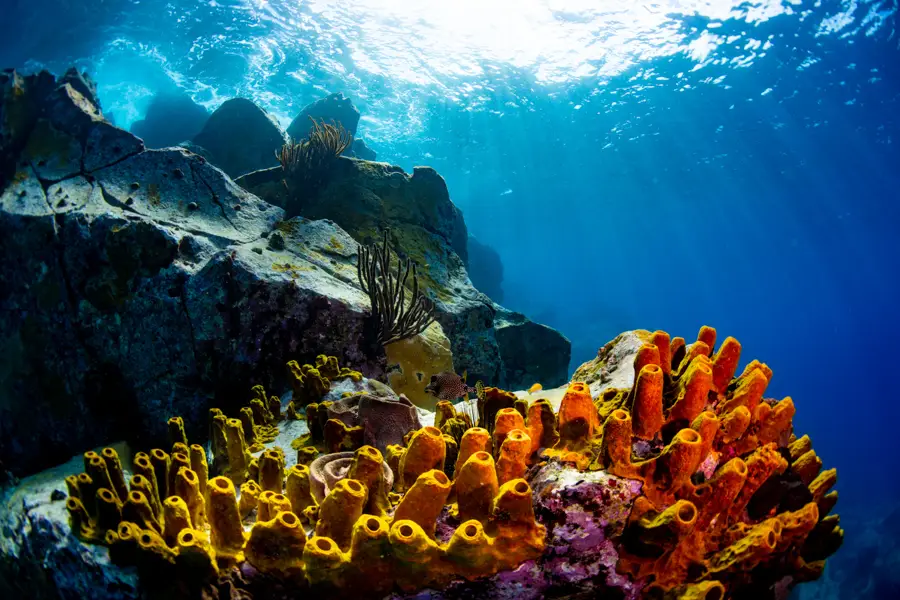
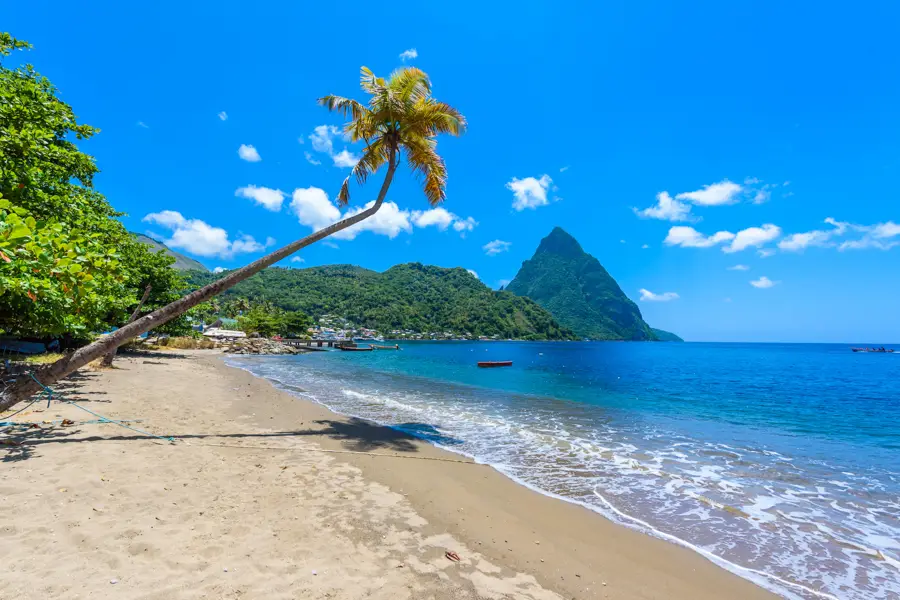
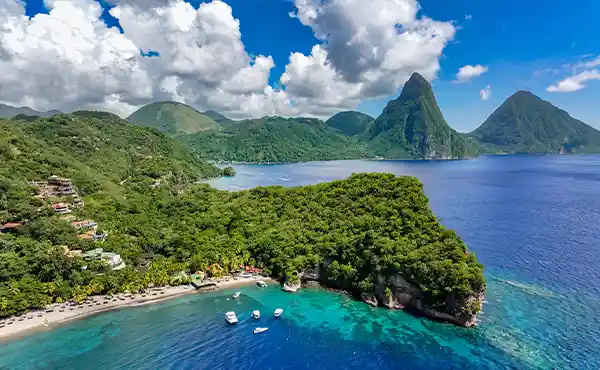
The west coast dive sites of St Lucia stretch from Anse Chastanet in the south to Pigeon Island in the north, offering vibrant reefs and dramatic wall dives beneath the majestic peaks of the Pitons.
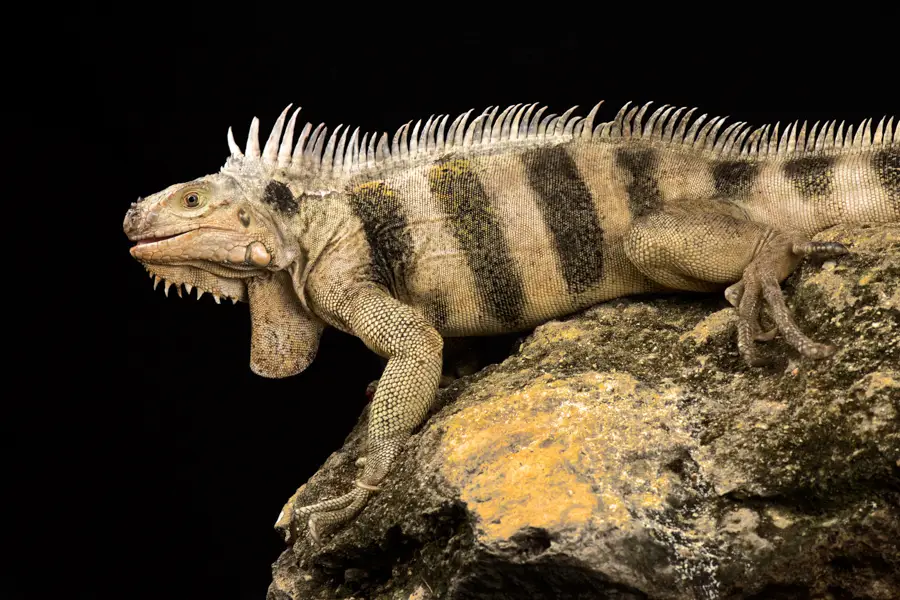
Part of the Windward Islands of the Lesser Antilles, St Lucia is a volcanic island in the Caribbean Sea, renowned for its dramatic scenery and lush tropical island landscapes. The island was originally named "Louanalao" by the indigenous Arawak people, meaning "Land of the Iguanas", a name that hints at the rich wildlife found here.
Its strategic location and numerous sheltered bays later made it a favoured haven for pirates during the Age of Sail. Today, this captivating Caribbean destination stands as a vibrant melting pot of African, French, and British heritage. This rich history is reflected in everyday island life—English is widely spoken as the official language, though a French-based Creole echoes through the markets and coastal villages. Visitors are charmed by a distinctive culture and wonderfully relaxed atmosphere, blending traditions of the indigenous Carib people with centuries of European influence, all set against a striking volcanic island backdrop.
With its resorts, well-equipped dive centres, and an array of dive sites, St Lucia caters superbly to all types of traveller, from couples seeking a picturesque retreat, to families in search of an active break. Solo travellers and experienced divers alike will find a welcoming community, professional diving instructors, and fantastic opportunities for a scuba diving adventure.
Discover our St Lucia diving trips
Marine Life of St Lucia
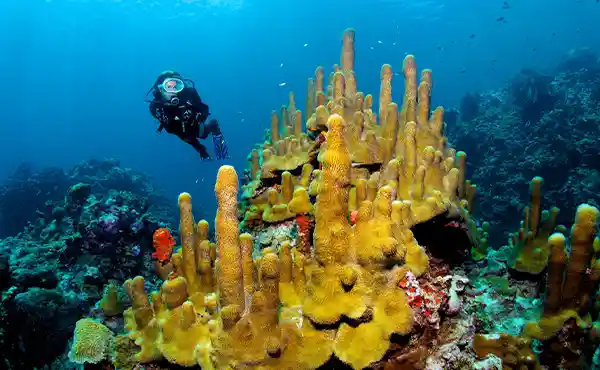
St Lucia is renowned for its wealth of tropical marine life, and divers can explore a remarkably diverse marine ecosystem. The island’s sheltered coastal waters provide a sanctuary for intricate macro critters and larger pelagic visitors alike. Colourful parrot fish, trumpet fish, and shimmering French and queen angelfish are ever-present across the coral gardens, while reef fish dart among vibrant sea whips and soft corals. Moray eels can often be found peering from rocky crevices, adding to the excitement of exploring these beautiful dive sites.
The island is especially prized for close encounters with sea turtles; leatherback, hawksbill, and green turtles are frequent visitors to the famed Turtle Reef and neighbouring grass beds. Nesting season is from March to November, and there are chances to witness hatchlings on beaches such as Anse Chastanet.
Macro photography enthusiasts can enjoy hunting for several species of blenny, banded coral shrimp, and colourful flamingo tongue snails living among the healthy coral reefs. Beyond the reef’s edge, divers sometimes spot great barracudas, jacks, and the occasional nurse shark or graceful eagle ray gliding through the blue.
St Lucia's Top Scuba Diving Locations
The most popular dive sites are concentrated along the sheltered western coast of St Lucia, where the island’s dramatic scenery meets remarkable underwater terrain.
Within the Soufrière Marine Management Area, advanced divers and beginners alike can experience Superman’s Flight, a world-renowned drift dive that sweeps along in the shadow of Petit Piton, often revealing eagle rays and frequent encounters with hawksbill turtles. At the base of the majestic Pitons, the Piton Wall presents an impressive drop-off brimming with vibrant reef fish and corals, while nearby sites such as Coral Gardens and Jalousie showcase healthy soft coral, sea whips, and a rich tapestry of tropical marine life.
Further north, protected areas such as Canaries, Anse La Raye and Anse Cochon reveal stunning coral gardens and thriving reef life, providing exceptional opportunities for underwater photography and relaxed exploration of St Lucia. Wreck diving enthusiasts can enjoy the artificial reefs dotted through these waters, including the wreck of the Lesleen M, a 50-metre cargo vessel sunk in 1986, now home to schooling angelfish, moray eels, and barracuda.
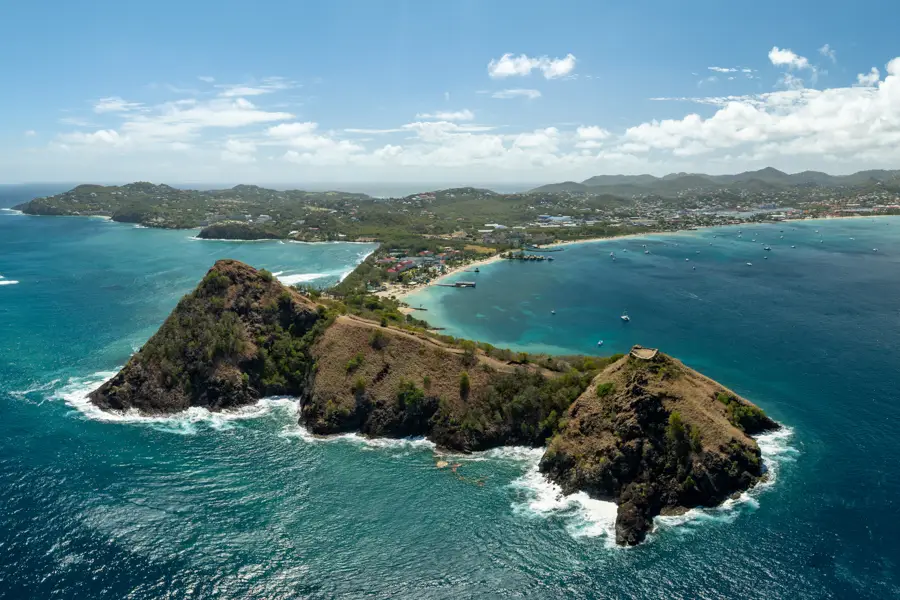
Near the northern tip of the island, Rodney Bay & Gros Islet serve as a lively staging point for beginner diving excursions, with dive boats ready to transport divers to a collection of notable reefs. Nearby dive sites offer considerable variety. La Roche, also known as Barrel O' Beef, is a small islet just outside the marina where divers can navigate underwater trenches and valleys, often encountering triggerfish and lobster. Pigeon Island, just offshore, provides a rewarding dive for all levels with depths ranging from five to 18 metres, and is known for its opportunities to spot lobster, trumpetfish, and the occasional elusive octopus.
For a more secluded experience, Smugglers' Cove in Cap Estate offers a shallow dive ideal for beginners, with regular sightings of flying gurnard. The most northerly site is Saline Point, a rewarding drift dive famed for its colourful coral formations and bustling schools of sergeant majors. For those seeking an after-dark adventure, Berger Rock is a popular choice for night dives.
Types of Diving in St Lucia
St Lucia offers a remarkable variety of diving experiences to suit all interests and abilities, with its reputation for boat dives, inviting shore diving, thrilling night dive opportunities, and fascinating wreck diving. The island caters to all skill levels—calm, shallow reefs are ideal for beginners seeking their first underwater adventure, while advanced divers can explore more challenging wall dives, drift dives, and the island’s most distinctive artificial reefs. Boat dives are the most common way to reach both the famous and more secluded dive sites around St Lucia, with short journey times from the main resorts to vibrant reefs, dramatic drop-offs, and historical wrecks.
The island is home to some of the Caribbean’s best shore diving locations, with several resorts boasting highly accessible house reefs and well-equipped dive centres. In the south, Sugar Beach offers distinctive diving between the iconic Pitons, where divers can discover dramatic drop-offs and colourful reef life. As dusk falls, a night dive reveals the reef's remarkable ecosystem in a whole new angle, with hunting octopus, sleeping parrot fish, and magical nocturnal fish emerging in this underwater world.
Underwater photography in St Lucia is popular among many visitors, with the island's clear waters, vibrant coral reefs and outstanding marine life offering exceptional opportunities to capture remarkable images. The Anse Chastanet reef is considered one of the most sought-after dive sites for underwater photographers, delivering a blend of intricate sea whips, colourful sponges, and a bustling population of reef fish. Both shallow and deeper sections ensure photographers of all abilities can find their subject, whether it's camouflaged frogfish, playful seahorses in the turtle grass beds, or shimmering schools of sergeant majors.
Learn to dive programmes in St Lucia deliver calm, crystal-clear waters and a warm welcoming environment for beginners doing their SSI or PADI courses. The island's numerous sheltered bays and shallow reefs provide ideal conditions for novice divers to practice skills and build confidence. Sites such as Anse Chastanet, Anse Cochon and Sugar Beach feature gentle slopes and vibrant reef systems, allowing learners to gradually explore the underwater world while being surrounded by breathtaking beauty. With warm water temperatures year-round and stunning scenery both above and below the surface, the island combines the perfect setting with expert guidance for aspiring divers to take their first plunge.
When to Visit St Lucia
The main season for St Lucia diving runs from December to May, when visibility is at its peak and sea conditions are calm—factors prized by dive masters, professional underwater photographers, and anyone looking to make the most of the island’s remarkable marine life. While diving remains possible year-round, it’s worth noting the official storm season is from June to November, with August and September carrying the highest risk of tropical activity.
Water temperatures range between 26°C and 29°C, ensuring comfortable dives in a lightweight 3mm wetsuit, and making extended time underwater possible for both experienced divers and those undertaking a beginners course.
Coral spawning at Anse Chastanet reef is an extraordinary natural spectacle that draws divers and underwater photographers to this renowned coral reef within the island’s marine reserve. Typically unfolding between July and September after the full moon, entire coral colonies synchronise to release their gametes in a breathtaking display.
Topside Attractions & Endemic Wildlife
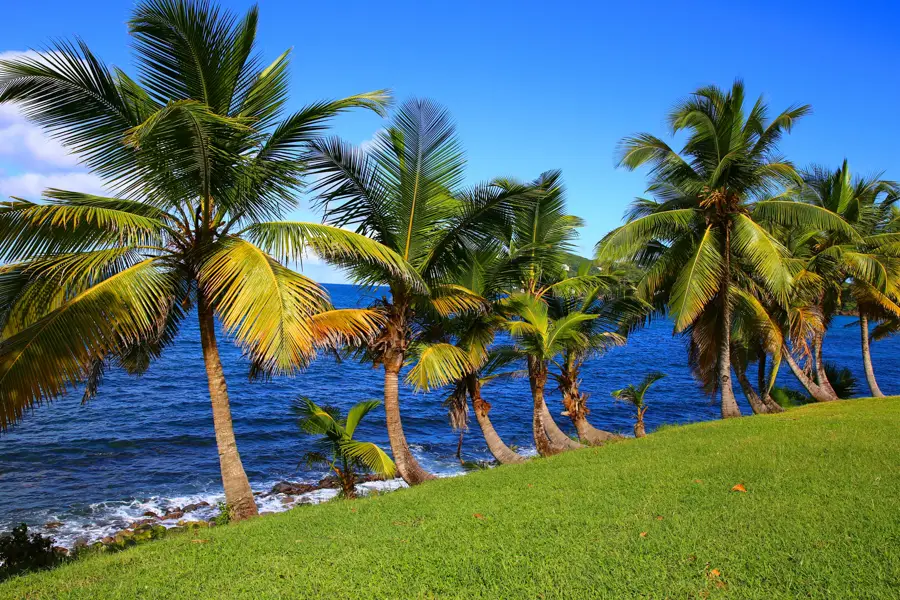
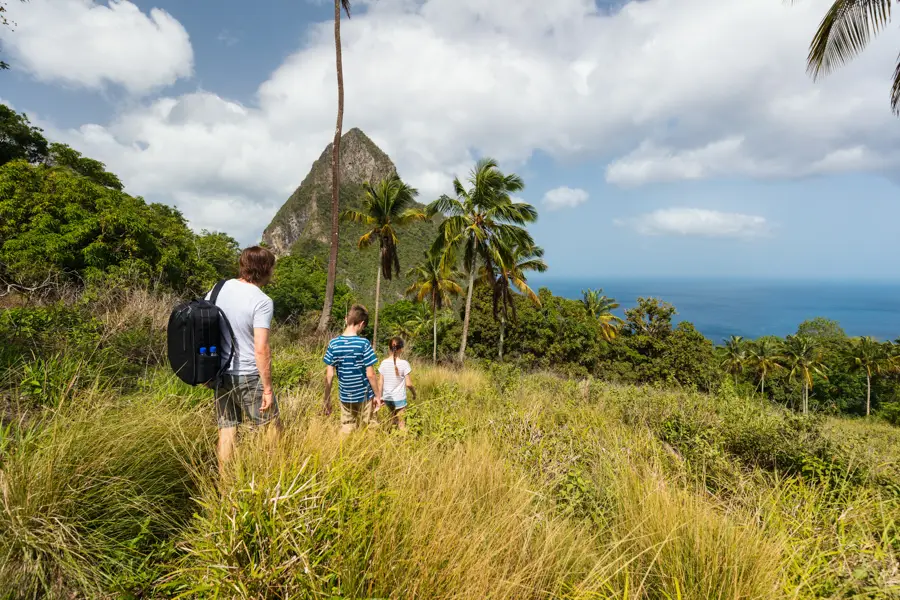
St Lucia's topside appeal easily matches its underwater draw. Over 70% of this tropical island is cloaked in lush rainforest, ranking it among the greenest and most mountainous in the Caribbean. The most dramatic landmark is the pair of majestic Pitons—Gros Piton and Petit Piton—soaring volcanic spires that are a designated UNESCO World Heritage Site and dominate the skyline.
Near the town of Soufrière, within easy reach of the renowned marine reserve and its celebrated dive locations, stands the world’s only "drive-in" volcano at Sulphur Springs. This fascinating site allows visitors to explore bubbling mud pools and enjoy a therapeutic mineral bath. For post-dive relaxation, Marigot Bay beckons as a tranquil spot, often heralded as one of the Caribbean’s most beautiful bays and a sheltered haven for yachts.
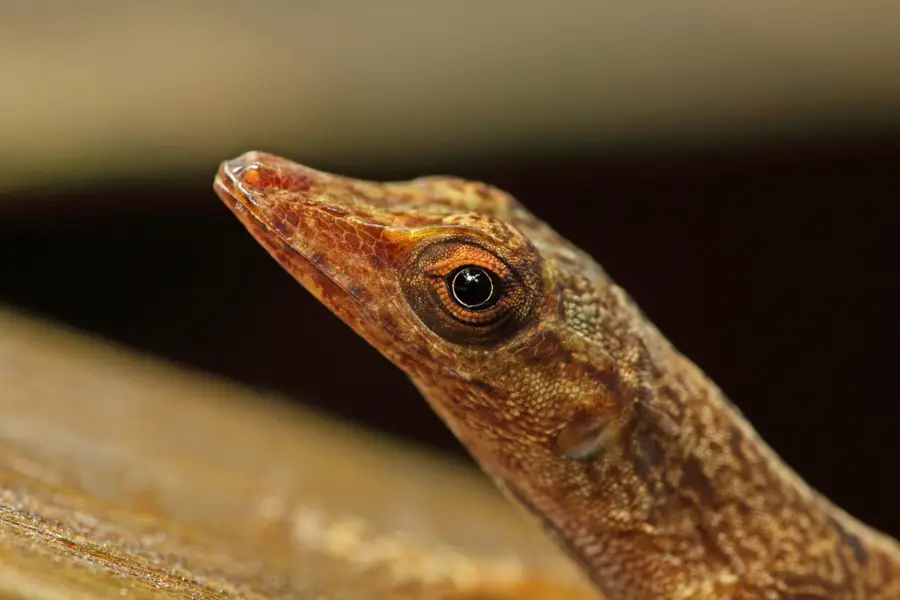
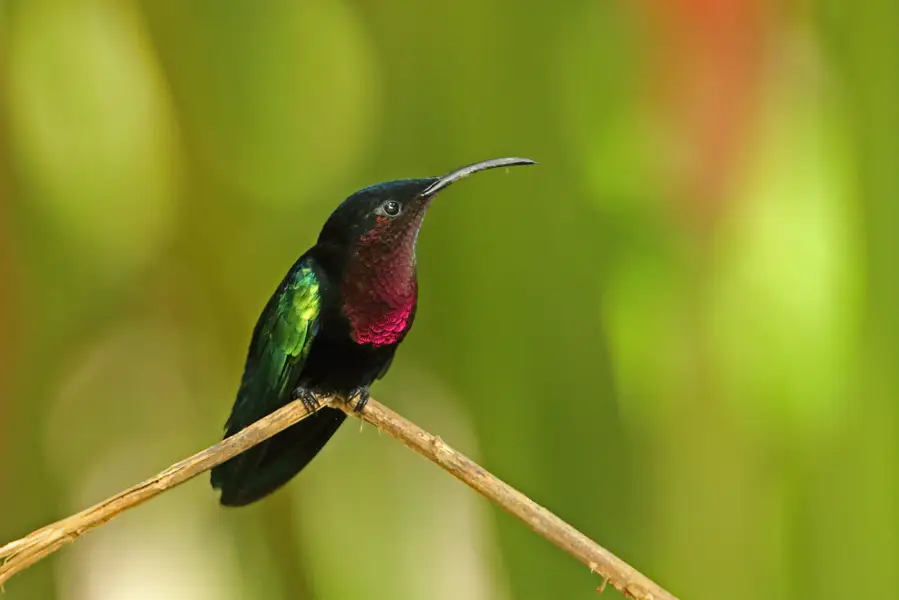
The island’s forests and reserves are a sanctuary for a remarkable array of endemic wildlife. St Lucia is famously home to the Jacquot, or Saint Lucia parrot, the island's national bird, found nowhere else on Earth. Birdwatchers can also seek out the Saint Lucia oriole, the Saint Lucia pewee, and the elusive Saint Lucia warbler. The island’s unique fauna also includes the Saint Lucia whiptail lizard, a species that thrives in the dry coastal forests. This rich biodiversity extends to its waters, which shelter distinctive marine life such as the endemic St. Lucia cleaner goby.
Adventurers can wander the historic ruins and scenic trails at Pigeon Island National Park, a former military outpost which offers tranquil snorkelling sites and a glimpse into the island's colonial past. Away from the water, the Diamond Falls Botanical Gardens offers vibrant cascades surrounded by lush flora, while the Des Cartiers Trail within the Edmund Forest Reserve entices visitors with rich birdlife and panoramic island views.
Diving Holiday Resorts in St Lucia
St Lucia has a wide range of accommodation to suit all budgets and tastes. For travellers on a budget, charming guesthouses and locally-owned inns offer an authentic Caribbean experience, with warm hospitality and easy access to local markets.
For a more distinctive stay, St Lucia’s boutique resorts blend Caribbean charm with personalised service. Often found in picturesque settings, these properties feature island-inspired architecture and a serene atmosphere, with many located near popular dive sites, making them a desirable choice for divers keen to maximise their time in the water.
For those seeking a little luxury, resorts near the iconic Anse Chastanet are a sought-after option. Here, find incredible accommodation with open-air suites with infinity pools overlooking lush jungles or the brilliant blue sea. Many resorts cater especially to divers, with private beach access, dedicated dive centres, and fine dining to round off a day spent exploring the reefs.
View suggested itinerary