The Galapagos archipelago sits astride the equator, 960 kilometres west of the Ecuadorian mainland. Having never been connected to another landmass, these volcanic islands have a unique biological identity.
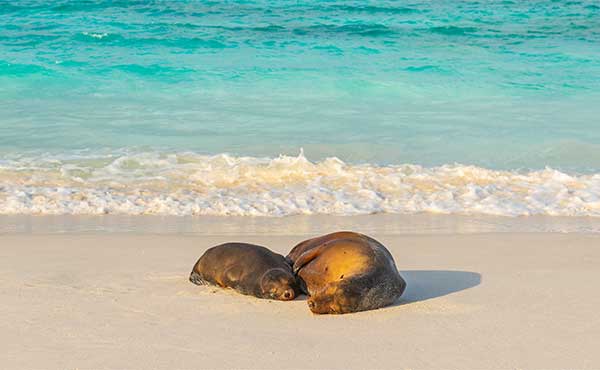
Sealions, seals, dolphins, and whales are present throughout the archipelago due to a constant supply of nutrient rich water brought up from the depths of the Pacific Ocean by the Humboldt Current.
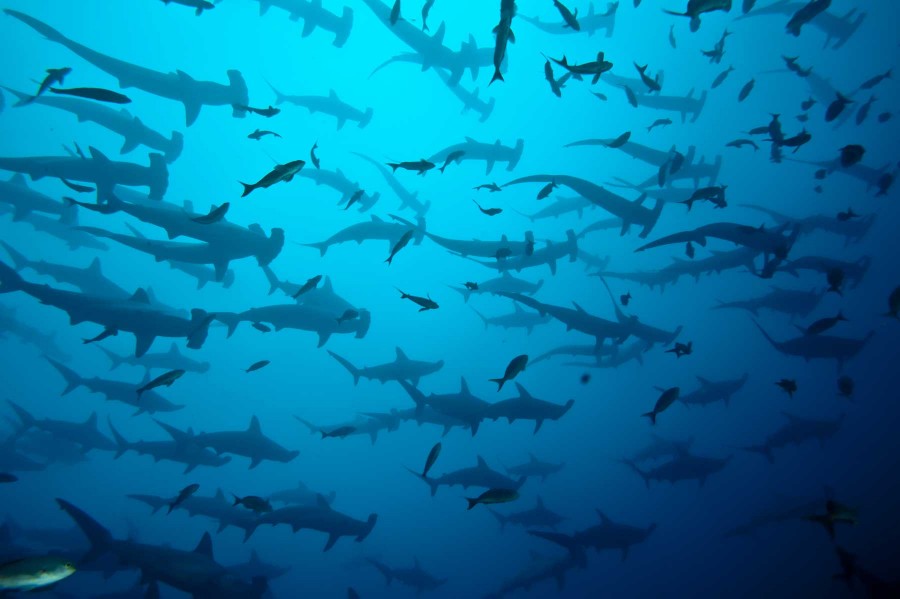
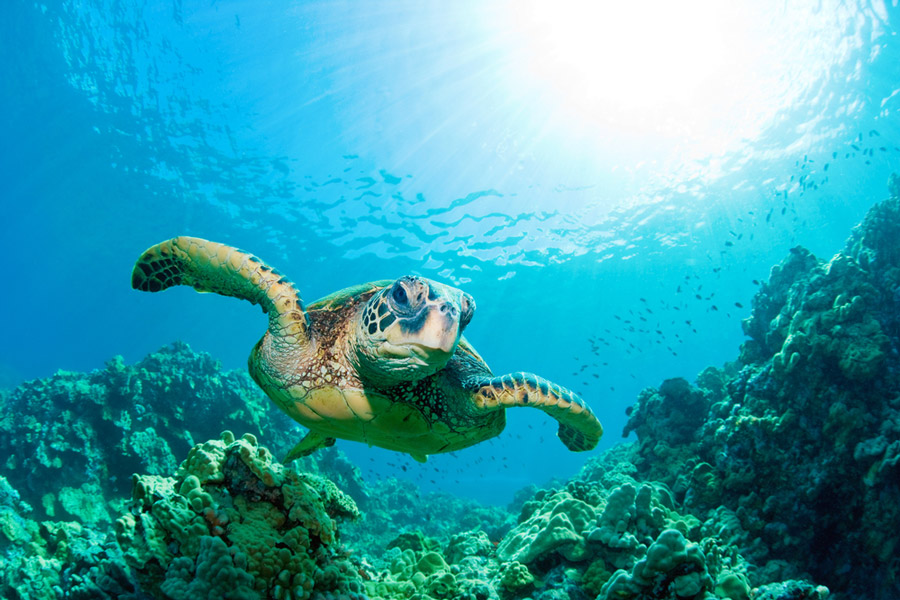
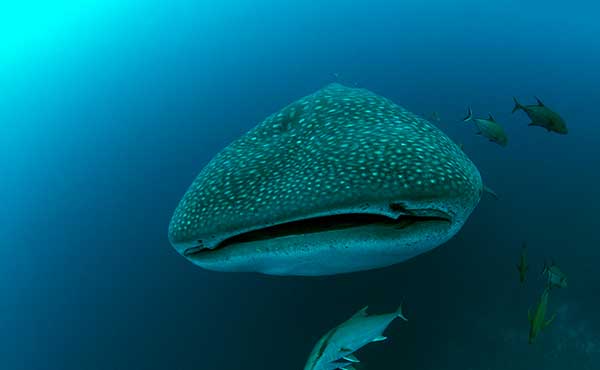
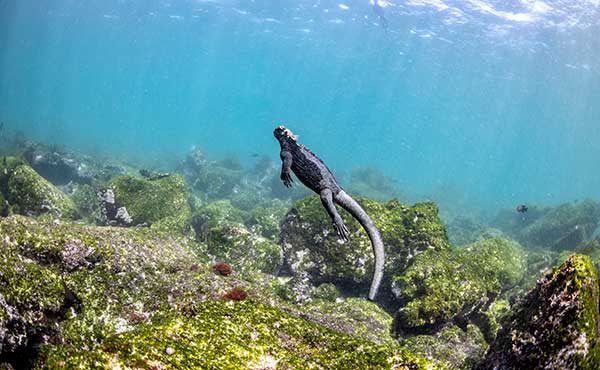
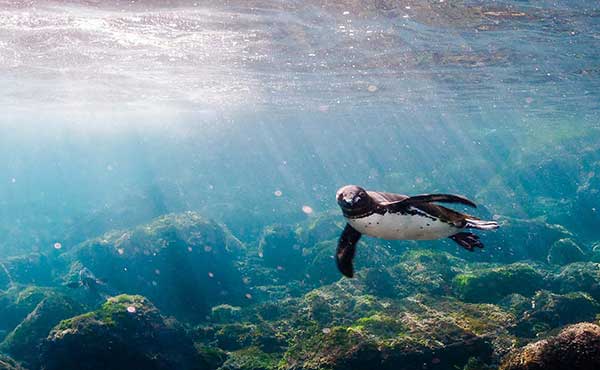
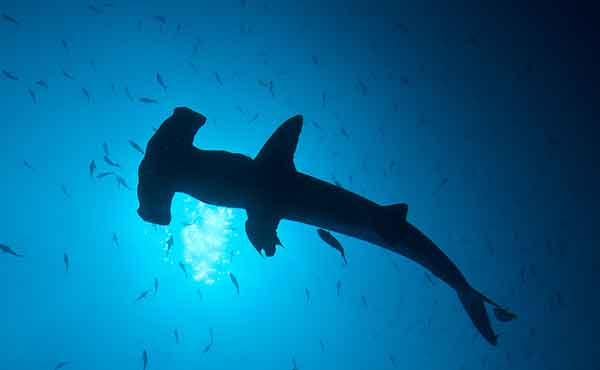
Underwater highlights include encounters with manta and eagle rays, whale sharks and walls of hammmerhead sharks, marine iguanas, massive shoals of fish, Galapagos sharks, penguins and fur seals. The timing of your visit may depend on the marine life. Whilst hammerhead sharks are seen throughout the year, the manta season is typically Dec-May with a water temperature of 21-31C and the whale shark season from Jun-Nov with a water temperature of 16-24C. Galapagos green turtles return annually to lay their eggs from Dec-Mar.
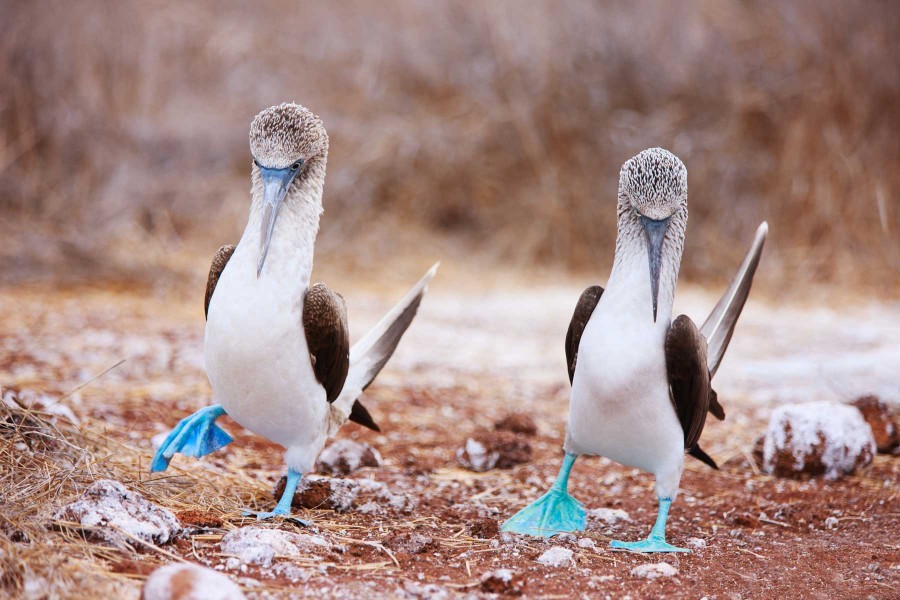
As you may expect, the islands are home to a wealth of seabirds, and other species that include the unique finches which played such a prominent role in the development of Darwin’s seminal work, The Origin of Species. Among the many other birds you can expect to see include boobies, tropicbirds and frigatebirds.
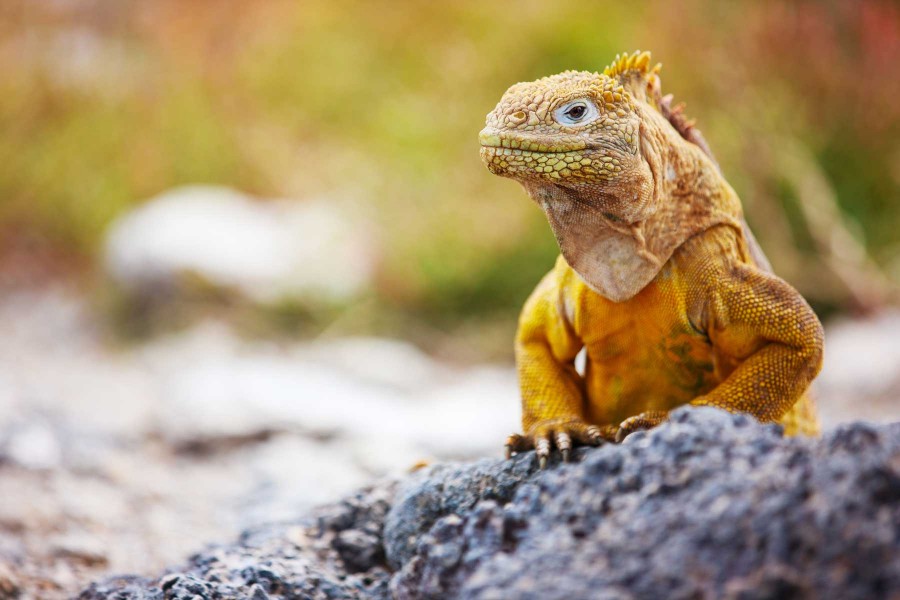
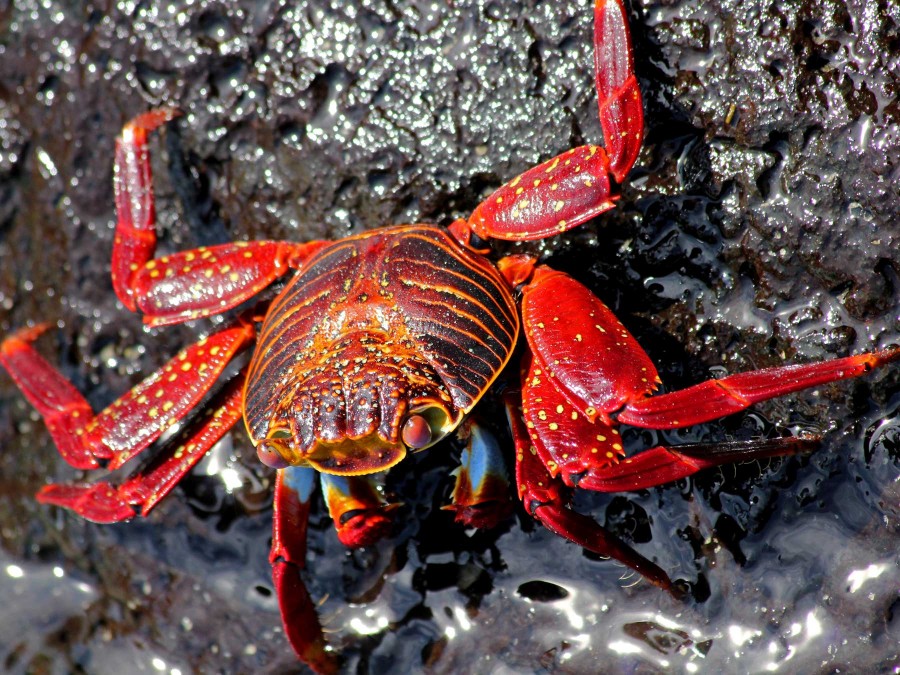
On land, most of the flora and fauna has its distant origins in the equatorial South American mainland, yet over millions of years – through a process of isolation, evolution and adaptation – species endemic to the islands have formed. In addition, the absence of large predators means that wildlife on the Galapagos shows little or no fear of man, and it is possible to approach birds, mammals and reptiles openly and very closely – a photographer's dream!
View suggested itineraries