Dispelling the myths of ‘low’ season in Raja Ampat

I recently returned from a trip to Raja Ampat on board the Dewi Nusantara outside of what is typically considered the ‘peak’ season of November to April. Not only was the diving truly incredible, but we saw just two other liveaboards during an 11 night trip, usually in the distance and we never shared a dive site.
There were just 12 of us on board, of a possible 18, and so we really did feel like we had the boat and the dive sites all to ourselves. Naturally, this led me to question why more people don’t consider travelling during the low season since the diving really didn’t seem to suffer, from what I could tell. Speaking with our cruise director Wendy Brown, it was immediately clear that she was not a fan of the term ‘low’ season at all. With 11 years experience leading dives exclusively in Raja Ampat, I set about quizzing Wendy in an effort to learn more about the diving outside of the typical Nov-Apr ‘peak’ period. Here’s what she had to say…
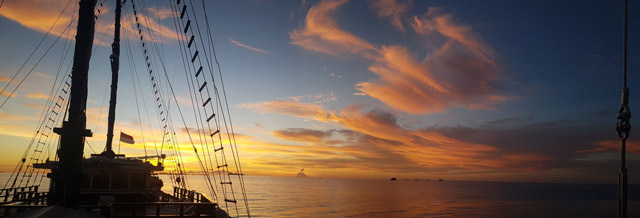
“I feel that Raja Ampat is like an onion; you have to keep peeling back the layers and there are indeed many layers. Each time you dive Raja it gets better! The more you learn and the more you see. Many guests return numerous times to dive this magnificent area, and staying in the north really gives them something new. Being such a huge area, there is so much to explore, with many opportunities to get off the beaten track. Diving there in the ‘summer months’ of June, July and August is a real treat as you can explore a whole new area that you normally never get a chance to see.
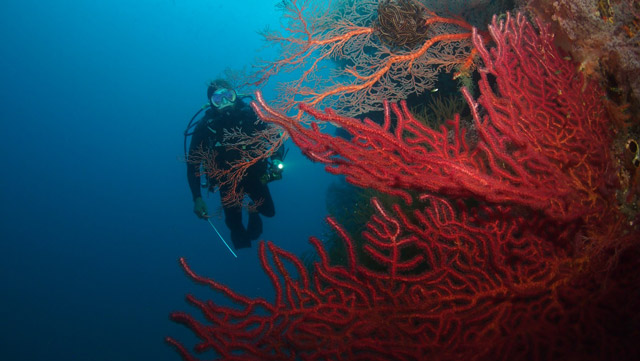
During this time, we dive in the north due to the trade winds bringing windy and wavey conditions down south; the north is so full of many islands that we never get a chance to dive on a ‘normal’ trip (October-April). We can reach the Equator islands and dive some incredible sites, rocky islands with craggy topography, full of low growth soft coral, or we can head to other islands nearby for great coral gardens, critter-rich sites, and a number of sites where we have the chance to see mantas.
The Dampier Strait with its famous Cape Kri and Sardine reef (to name just two popular sites) we have all to ourselves, since almost all the other boats spend their time in Komodo. I always feel like I have fallen into a magical little pocket at this time of year as you have most sites all to yourself and you get the feeling that you are truly exploring frontiers, rather than diving with the masses.
After all these years we still have many new areas yet to dive and discover so there could be some exploratory diving included in the trip.
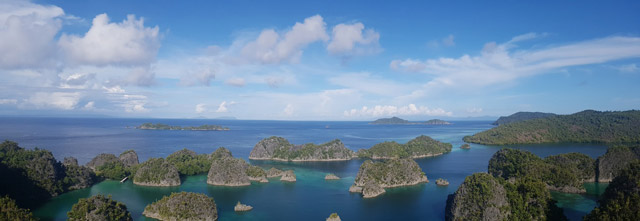
We regularly head up to Wayag, with the familiar stunning scenery that you see on many photos of Raja Ampat - small mushroom islands and lagoons. There can be some southerly wind from the trade winds, however it's quite easy to stay on the north side of the islands and find great conditions.
It's Raja as you normally never get to see it.
For me, October in many places in Indonesia is a golden moment due to trade winds calming and giving you a little window to dive almost everywhere. It's a great month in Raja where we dive both north and south. At southern sites, the fish life goes mad with clouds of silversides all around; it’s quite the scene with fish everywhere! Sometimes we get the mobulas coming in swooping and hunting. In October the other boats are returning so things start to get busier.
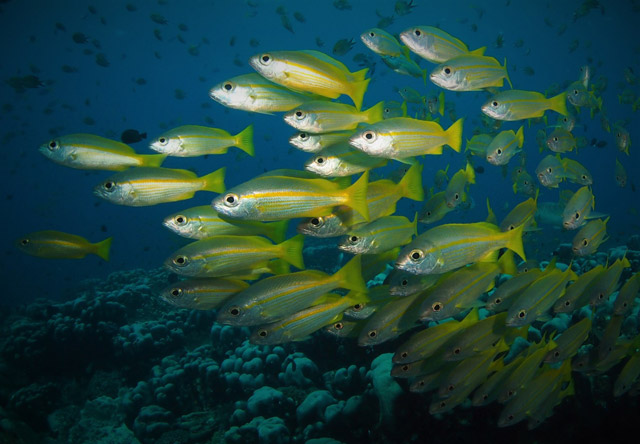
You always get rain in Raja Ampat, so expect rain at some point during your trip. We do get squalls occasionally so we moor up in appropriate places that are safe. Raja Ampat is not known for gin clear visibility and therefore it can be a challenge for wide angle photography; however the particulate water with its rich nutrients is what makes Raja so full of life and so we celebrate it! We tend to experience clearer visibility during the less crowded summer months.
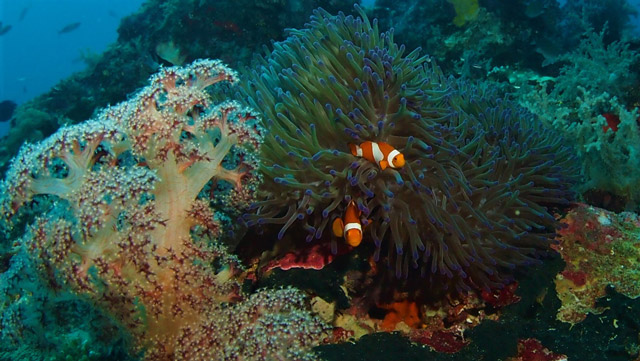
We are in a lucky position that we have been here for many years and have had a chance to get off the beaten track to find some new islands to dive, and get away from sites that are too busy.
I find Raja Ampat is a place that grows on you more and more, with so much to discover. For guests who have dived it only once and say they have “done it” I would compare that to going to London for a day saying they have seen the city!”
Experience Raja Ampat for yourself in the ‘low’ season! Explore all our dive adventures in Raja Ampat or contact the Dive team for more information.