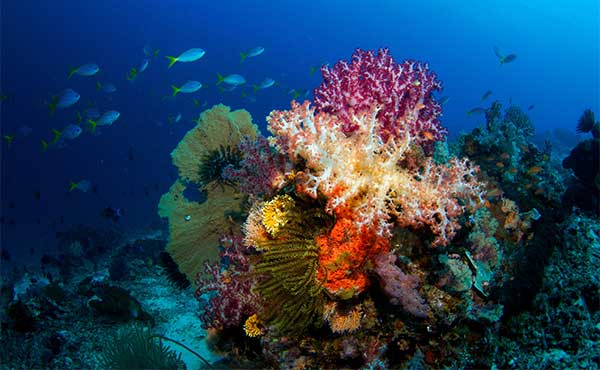
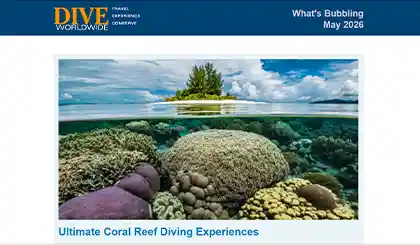
The remote island of Uepi is situated at the edge of the world’s longest lagoon (Marovo) and offers a unique paradise experience. Dive sites are typical of the diversity seen throughout the Solomon Islands, and very close encounters with families of manta are possible.
Find Out More
Gizo is a 90 minute flight from Honiara and is the capital of the Western Province. The marine life here is astounding, with some of the most photogenic seascapes in the world and a vast array of fish and fauna, plus some sensational World War II wrecks.
Find Out More
Located in the northern Moluccas, the remote island of Halmahera sits half way between Lembeh Strait and Raja Ampat and promises exceptional diving opportunities for adventurous divers, right at the heart of the Coral Triangle.
Find Out More
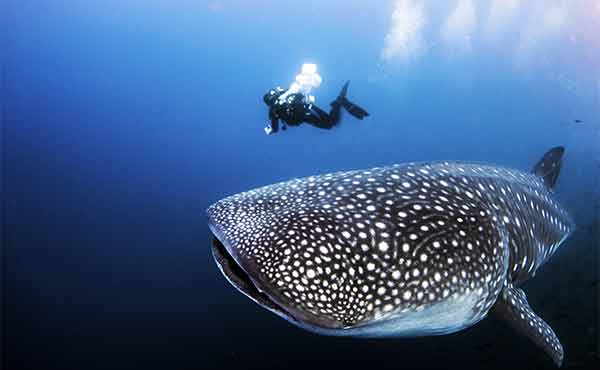
Located 14 hours north of the main group of islands, Wolf and Darwin are reached by liveaboard and are a magnet for divers, with warm water species seen nowhere else in the archipelago. Whale sharks are common Jun-Nov, and hammerheads also frequently seen.
Find Out More
Rising from the depths of the Celebes Sea, Sipadan is a must for all divers: the varied topography makes it an astonishing place. Turtles are regular inhabitants, as are schools of barracuda and bumphead parrotfish, reef sharks, mantas and hammerheads.
Find Out More
Milne Bay is situated between the Solomon and Coral Seas, which surge back and forth, flushing plankton-rich waters with crystal clear blue water and causing a frantic profusion of marine growth. The scene of heavy fighting in WWll, the entire region is littered with wrecks.
Find Out More
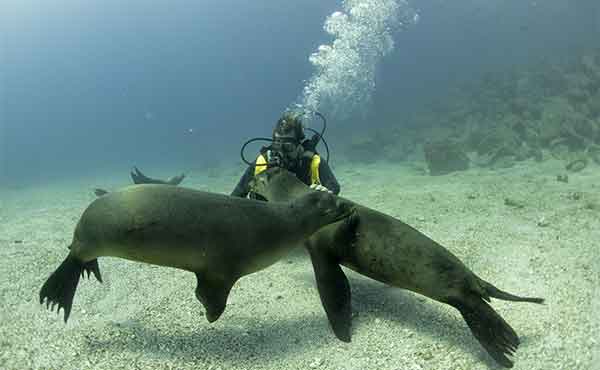
The most easterly island in the Galapagos, San Cristobal is where Charles Darwin set foot in 1835. Today it has plenty to offer its visitors both topside and underwater - from interpretation centres and wildlife reserves to check-out dive sites with playful sea lions.
Find Out More
Thailand’s largest island is fringed with white sandy beaches with a backdrop of lush green hills and coconut groves. Within easy reach of some of the country’s most outstanding dive sites, there are excellent chances to spot leopard sharks amidst stunning marine life.
Find Out More
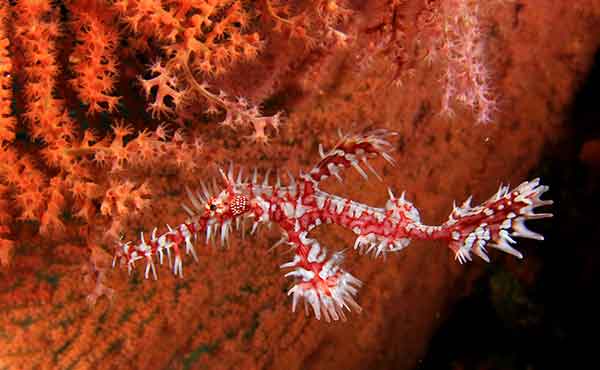
Once an island, natural forces have shaped Kapalai so that all that remains is a beautiful sand bar, perched on the Ligitan Reefs In contrast to Sipadan, just 15 minutes away, Kapalai's diverse macro life is a mecca for divers and photographers with an eye for cleverly camouflaged oddities.
Find Out More
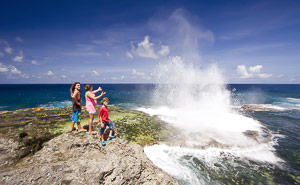
More developed than its neighbours, the island of Tongatapu still maintains an unhurried and peaceful lifestyle. More of a transit town, a short time can be spent exploring the island’s historical sites, blow holes and the limestone caves of Anahulu.
Find Out More
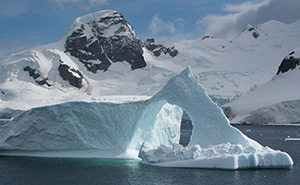
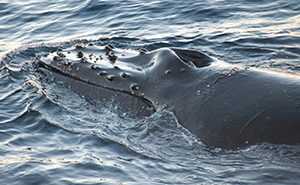
The Antarctic Peninsula is the most accessible part of the great white continent with some of its best wildlife and scenery. Sculpted icebergs, imposing glaciers and rugged mountains provide the back drop to more whales and dolphins than anywhere else on earth.
Find Out More
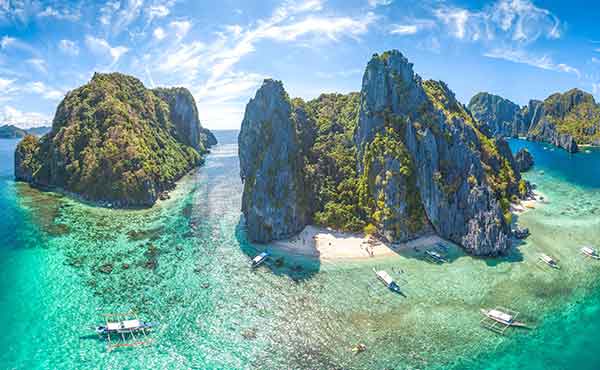
The island province of Palawan is known as the Philippines’ last ecological frontier, offering remote jungles, rugged scenery, pristine beaches, secret coves and world-class diving. Highlights include the wrecks of Coron and Tubbataha Reef, accessible only by liveaboard.
Find Out More
High above the Arctic Circle lies this remarkable archipelago, known in Norwegian as Svalbard. Meaning “jagged peaks”, this befits a remarkable land with a spectacular coastline, littered with glaciers flowing into the sea, and high cliffs with prolific wildlife.
Find Out More
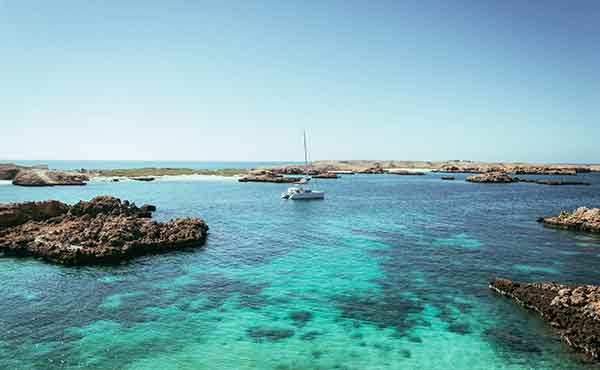
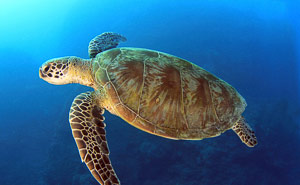
The nine, tiny, uninhabited islands that comprise the Damaniyat Islands are the jewel in the crown for diving and snorkelling in Oman. The stunning coral reefs teem with a huge variety of life and the islands are also well known for nesting turtles.
Find Out More
Located on the west coast of Thailand, 57 kilometres from the Similan Islands, Khao Lak is a great place to relax before or after a liveaboard. Blessed with great beaches and bordered by superb national parks, Khao Lak appeals to divers and non-divers alike.
Find Out More
Full of history and charm, Grand Bahama island is the most northerly in the archipelago and combines a young thriving town with enchanting marine life. Expect unique shark encounters, a maze of underwater cave systems, reefs, wrecks and dolphins.
Find Out More
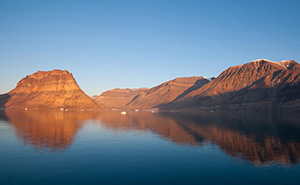
North East Greenland National Park, at almost 1 million square kilometres, is the world’s largest. Although part of the Greenland Ice Sheet, there are large ice-free areas of green mountains with beautiful wild flowers, long fjords, precipitous cliffs and hot springs.
Find Out More
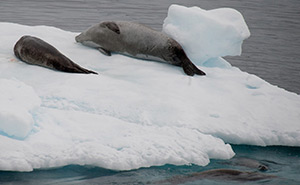
Surrounded by heavily glaciated mountains and ice cliffs, Paradise Harbour is home to a mind-boggling array of icebergs, which enhance the wildlife viewing experience. Highlights include whales, seals and penguins, alongside abundant birdlife.
Find Out More
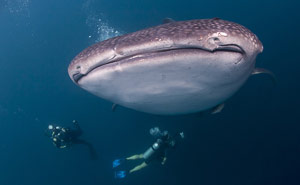
Cenderawasih, along with Raja Ampat and Triton Bay, makes up the Bird’s Head Seascape, a vast bay with healthy coral gardens and dramatic vertical walls. Reached only by liveaboard, the area has recently shot to fame due to its unique whale shark population.
Find Out More
Filled with icebergs and hemmed in by steep glacial cliffs, this 11 kilometre passage is incredibly scenic and its protected waters are almost as still as a lake, resulting in wonderful reflections of the surrounding Antarctic landscape.
Find Out More
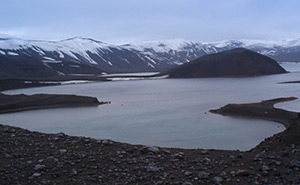
Located north of the Antarctic Peninsula, the South Shetlands total over 3,600 square kilometres, and most of the land area is permanently glaciated. Home to seals and penguins, the unique landscape also offers visitors wonderful photo opportunites.
Find Out More
Salalah is situated over around 950 kilometres south of Muscat and offers an invigorating lush temperate climate in stark contrast to the rest of the country, as well as relatively untouched dive sites. Salalah is also the starting point for trips to the Hallaniyat Islands.
Find Out More
Divers are spoilt for choice on the west coast with the chance to dive deserted islands and wrecks, swim with whale sharks and explore remote coral reefs. On land discover the mysteries of the Kimberley on a camping trip or visit Aboriginal communities.
Find Out More
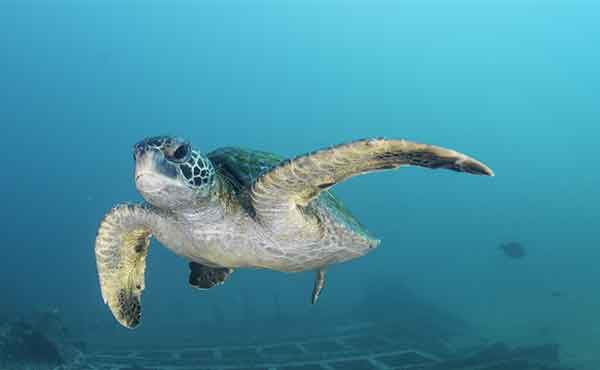
The rocky coastline and mangrove lined inlets of Santa Cruz Island are ideal for divers to spot sea turtles, sharks and rays. Home to the Charles Darwin Research Station, there are also healthy populations of tortoises, land and marine iguanas and birds.
Find Out More