Diving with Fascinating Marine Life
There are many wonderful things that draw us to diving. The freedom and feeling of weightlessness, the camaraderie, or for some a love of historic shipwrecks. One aspect of diving that most divers have in common though is a fascination for the underwater world. We simply love to explore in search of extraordinary marine life.
The seas and oceans of our blue planet are brimming with wonderful life, from the majestic to the bizarre and other-worldly. Manta rays, whale sharks and other iconic megafauna often top the wish lists for divers, but there is so much more life in our oceans beyond these magnificent animals.
Here, we cast our eye over some of the most fascinating creatures you can seek out while diving.
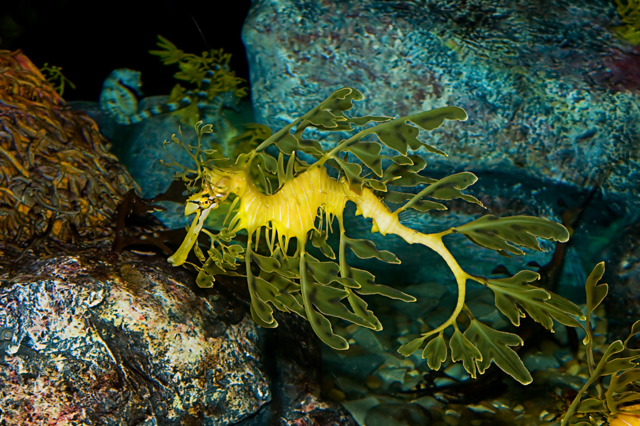
Leafy sea dragon
It is hard not to be mesmerised by the leafy sea dragon. Often hiding in plain sight, their ornate, leaf-like appendages offer the perfect camouflage for their environment. Like their close relatives the seahorse it is the males that give birth, with their tails turning bright yellow when they are ready to mate. These enigmatic, beautiful creatures are only found in the waters of southern Australia.
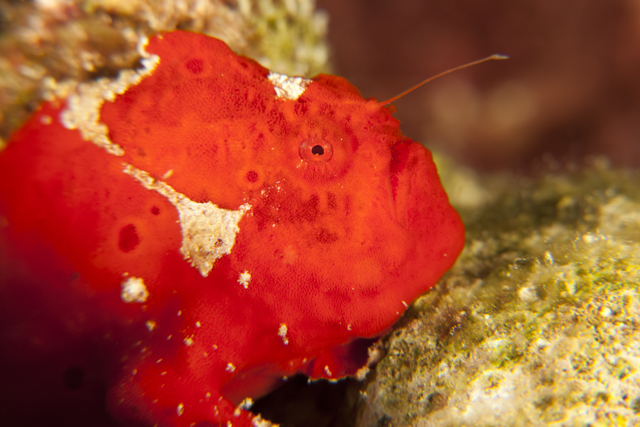
 Frogfish
They can walk, are masters of disguise, and catch their prey with a fishing lure. It’s no wonder frogfish are a favourite of divers. The family is made up of over 50 species and they are found in tropical and sub-tropical waters around the globe. Divers may find them in Bonaire, Dominica, Indonesia and the Philippines.
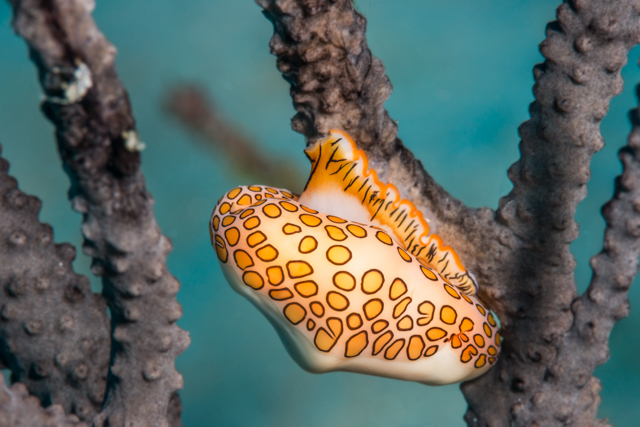
 Flamingo tongue snail
This tiny exotically patterned mollusc gets its colour not from its shell, but from its mantle - a tiny layer of soft tissue that envelopes the shell. They feed on corals through their foot (as one does), which not only provides them with food, but also their colouration and their defence mechanism. Found in the waters of Mexico and the Caribbean, they often say that if you see a flamingo tongue snail, you are destined for a fabulous dive.
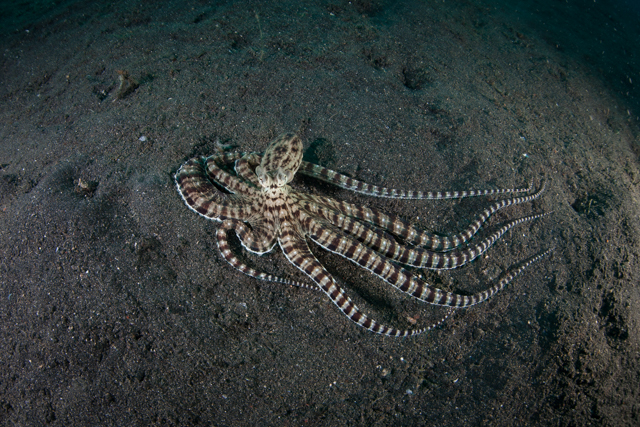
 Mimic octopus
A list of fascinating marine life would not be complete without mention of the wonderful mimic octopus. As the name suggests, this highly intelligent cephalopod is the ultimate impersonator, mimicking all manner of other marine life including jellyfish, lionfish and sea snakes. A favourite with budding photographers, they are best seen in Indonesia and the Philippines.
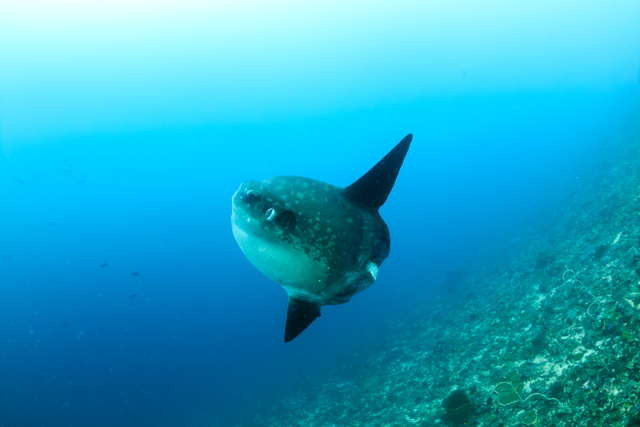
 Mola mola
There may be few more spell-binding sights than the enigmatic oceanic sunfish or mola mola. The largest bony fish in the world, their bizarre shape is a result of their back fin, which folds back on itself to form a rudder-like appendage called a clavus. Despite their size, these fish are very elusive. Head to the waters off Bali between July and September for the best chance to add a mola mola to your logbook.
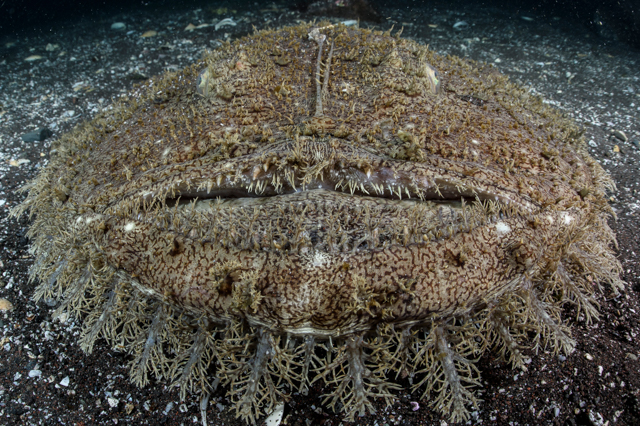
 Monkfish
You don’t have to travel to the ends of the earth to see incredible marine life. This monster of the deep is sometimes known as the sea devil, and it is easy to see why. Generally spending life in the deep, they can be seen in springtime in the waters of the Azores and Lanzarote at diveable depths. Don’t get too close though!
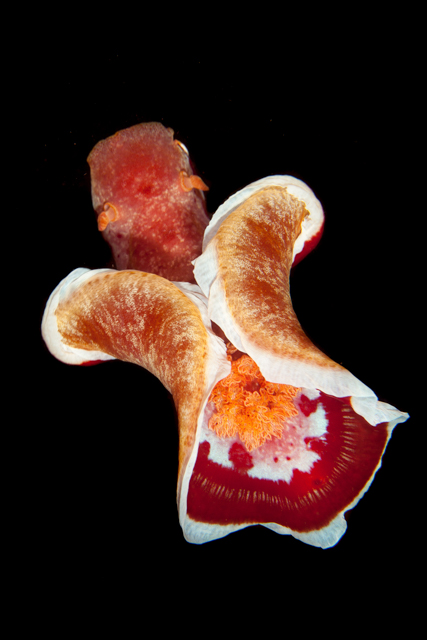
 Spanish dancer
Dance the evening away on a dive with this wonderful swimming nudibranch. Measuring up to 40 centimetres in length, the Spanish dancer swims through the shallows with the elegance and rhythm of a flamenco dancer. Usually seen at night, they can be found on the reefs of the Red Sea and throughout the Indo Pacific region.
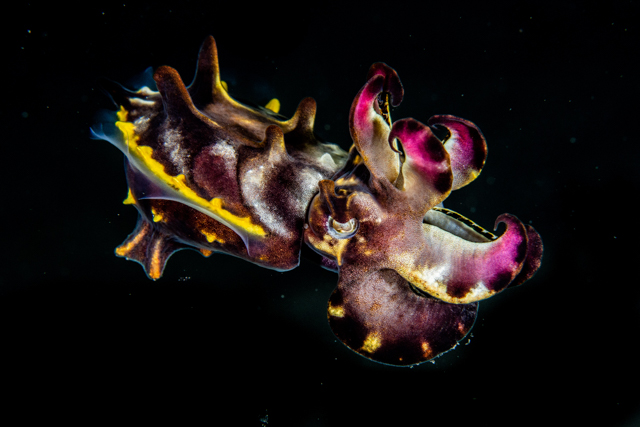
 Flamboyant cuttlefish
Often some of the most fascinating marine life is found away from the busy, vibrant coral reefs. Take a dive over the black sand of the Lembeh Strait and you may strike upon this vivid and exotic member of the cuttlefish family. The vibrant displays of the flamboyant cuttlefish are not their only trick, they are the only venomous cuttlefish too.
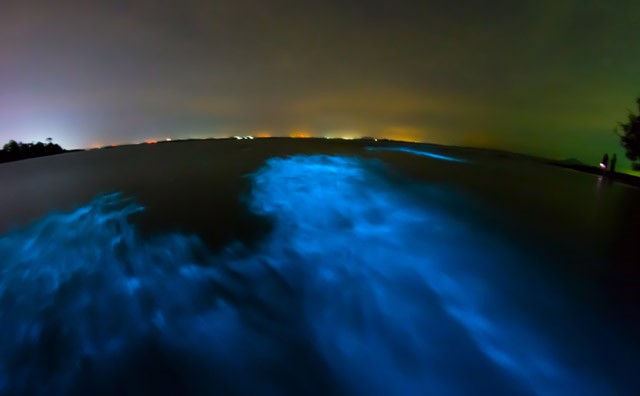
 String of pearls
Just after full moon in the Caribbean Sea, a magical event occurs after dark. Turn off your torch on a night dive, and the water begins to shimmer and shine with a hundred tiny stars. This incredible show is the mating ritual of tiny ostracods, a crustacean a few millimetres in length. The males release a string of bioluminescence to attract females, who follow this string of pearls to find their mate waiting patiently at the end. Head to Bonaire or Roatan to see this wonderful spectacle.
If you’d like to encounter some of the ocean’s most fascinating marine life, speak to our friendly Dive team today!