
Dive Worldwide was founded by divers, driven by a genuine passion for exploring the underwater world. Our experienced team has explored some of the world’s most remarkable scuba diving destinations, bringing first-hand knowledge gained from thousands of dives.
We’re here to share our expertise and help you plan truly unforgettable underwater adventures. To make things easy, we’ve compiled answers to our most frequently asked questions, providing quick access to the information you may need. Explore our FAQs for helpful guidance, or contact us for more detailed information.
About Our Holidays
For over 25 years, we’ve been crafting exceptional scuba diving holidays for divers worldwide. Our current portfolio includes over 40 carefully selected destinations across 9 regions, each chosen for its outstanding dive experiences.
Discover our tailored programmes based on your diving interests—whether you’re seeking encounters with specific shark species or other remarkable marine life. Alternatively, browse by trip type to find holidays ranging from learn-to-dive holidays and muck diving to underwater photography, wreck diving, and technical diving for experienced scuba divers. For those passionate about marine megafauna, we offer specially curated itineraries focused on sharks, whales, and mantas and rays.
If you’re travelling with non-divers, we also provide a selection of destinations that offer excellent snorkelling opportunities, including some of the best family-friendly diving holidays.
Whatever your scuba diving preferences, we’re here to help you plan your ideal underwater adventure with professionalism and expertise. Let us bring your dream diving experience to life!
Both group diving holidays and tailor-made trip types from Dive Worldwide offer unique experiences for scuba divers. While they may have similarities, there are also key differences that set them apart.
Group diving holidays typically involve travelling with a larger group of people, such as a dive club, underwater photography or conservation expert led groups. These trips often have a set itinerary and schedule, and travel with one of our experienced scuba diving experts. This can be a great option for those looking to meet new people, as well as for scuba divers who want to join an established group.
On the other hand, tailor-made trip ideas offer more flexibility. With these types of trips, you have the freedom to design your own itinerary based on your specific interests. Our experienced team of scuba divers specialises in both recreational and technical diving, so we can help you create a truly unique and unforgettable dive holiday.
Additionally, Dive Worldwide also offers a range of liveaboard holidays for those who want to explore more remote dive sites or spend longer periods of time scuba diving. Our liveaboard trips provide the opportunity to dive multiple times a day and discover hidden gems that aren’t accessible by day trips.
When booking a tailor-made diving holiday with Dive Worldwide, we work closely with you to design a personalised itinerary that meets your specific requirements and preferences. This could include choosing the perfect dive destinations with unique marine encounters, accommodation options, additional activities or types of diving to suit your budget or desired level of diving.
For the best diving adventure, we highly recommend booking a fully bonded ATOL package. Thanks to our carefully selected, top-tier suppliers, you can enjoy the ultimate peace of mind while experiencing the best of what the underwater world has to offer.
However, if your journey calls for a more flexible approach, you’re still covered! Should you choose to book an accommodation-only holiday, our ABTOT package ensures your plans remain safe and secure for a travel arrangement that excludes flights. Give our team a call if you have any questions.
For every holiday, we provide a detailed itinerary that outlines important information you need to know about your trip. It specifies exactly what’s included, such as accommodations, meals, activities, and transportation, as well as what’s excluded. Our goal is to ensure you feel fully informed and prepared to enjoy your scuba diving holiday to the fullest.
An ATOL-bonded holiday package pricing includes flights, transfers, resort or liveaboard accommodation, and diving activities as specified in your booking. When you plan your travel experience with us, we ensure you receive details about what’s included and any exclusions.
An ABTOT-bonded package (without flights) pricing covers all land arrangements, including transfers, overnight accommodations, and stays at resorts or liveaboards booked through Dive Worldwide.
In some destinations, local authorities or operators may require fees like visas, marine park fees, or environmental taxes to be paid in cash on-site. These charges are subject to change, are not included in our package price, and must be paid by you directly. For more details, please review our terms and conditions.
All the trips on our website are advertised with “from” prices and include flights, transfers, liveaboard or resort accommodation and scuba diving. However, the final price of your holiday may vary depending on several factors, such as your travel dates, preferred airline, departure airport, and any additional services or upgrades you may require. For the most accurate and up-to-date pricing, give our friendly team a call.
Plan your next scuba diving holiday with ease! Choose your ideal destination, explore by dive interests, or browse by trip type. Then, contact our expert team by email or simply fill out our online form. We specialise in crafting unforgettable scuba diving adventures tailored just for you.
- Call us on 01962 302 087
- Use our online form or email reservations@diveworldwide.com
All bookings are governed by our terms and conditions, which we recommend reviewing prior to making a reservation. If you’re interested in booking a tailor-made holiday, our experts are available to assist you. For further information, read more about our booking process.
Yes, a deposit is necessary to secure your holiday booking. For resort stays, this is typically £150 per person or 10% of the total holiday cost, whichever is greater. For liveaboards, the standard deposit is 40% of the total cost. In some cases, deposit amounts may vary depending on the travel provider, but we’ll always inform you of any changes upfront. Some airlines now require immediate full payment for their services, leading to higher deposit amounts upfront. For holidays with an imminent departure, full payment will be required at the time of booking.
We’re proud to be part of The Natural Travel Collection, a trusted and fully licensed tour operator. As holders of an Air Travel Organisers’ Licence (ATOL 10544) issued by the Civil Aviation Authority, we ensure your money is 100% protected on all flight-inclusive holidays. For flight-exclusive holidays, we offer additional financial protection through our membership with the Association of Bonded Travel Organisers Trust Limited (ABTOT). When you book with us, you can travel with confidence, knowing your financial security and peace of mind are our top priorities.
Our bespoke scuba travel itineraries usually include private transfers to ensure a seamless and comfortable journey between destinations. Private transfers are especially common for individual travellers or small groups, offering convenience and flexibility. However, on certain holiday itineraries, you may be booked on group transfers. These shared transfers are typically arranged for larger groups, like those joining the same liveaboard departure.
Your travel documents clearly outline all transfer details, so you’ll know exactly what to expect. If your itinerary doesn’t include transfers, this will also be clearly stated in your documentation.
Absolutely! Depending on your destination, we can explore the possibility of regional flights to create the perfect journey for your scuba diving holiday. If regional flights aren’t available, don’t worry—we’ll always find the best option to ensure your journey is as seamless and enjoyable as possible.
Planning to join one of our travel itineraries from outside the UK? We offer tailored accommodation and transfer packages under our ABTOT licence (The Association of Bonded Travel Organisers Trust Limited). However, please reach out to us in advance to research all the options, as many liveaboards and cruises have strict boarding schedules. We recommend arriving a day or two before your trip to ensure you have time to acclimatise and avoid any unexpected delays. Our team are happy to assist with any travel arrangements and recommendations for transportation and accommodation. Let us help you make the most of your diving holiday.
Absolutely, yes! Liveaboard diving holidays are an excellent option for single travellers. These trips typically offer shared twin cabins, pairing travellers with a roommate of the same sex, ensuring comfort and convenience throughout your adventure. Beyond that, liveaboards create a unique social environment where divers travelling solo can easily connect with like-minded individuals who share a passion for the underwater world. From group dives to communal meals, the onboard experience fosters a sense of camaraderie, making it easy to form unforgettable memories.
Many dive resorts offer reduced single supplement deals, making them an excellent choice for single divers looking to explore underwater adventures without breaking the bank. These deals provide an affordable way for scuba divers to enjoy top-notch accommodation, meet like-minded travellers, and experience incredible dive sites all around the world.
Yes, you can add consecutive days to your resort stay or a liveaboard when planning your holidays. We specialise in creating bespoke scuba diving holidays tailored to your preferences. Whether you wish to extend your stay on a liveaboard or spend time on a local island before embarking on a liveaboard safari, we can arrange it for you. You also have the option to combine your liveaboard experience with other activities, such as land tours or resort-based diving holidays.
In some destinations, island hopping or multi-centre holidays are highly sought after. They offer an excellent opportunity to explore local culture, stunning wildlife, or unforgettable landscapes. Our team is dedicated to working with you to design the perfect scuba diving itinerary.
If you decide to change your holiday dates after your holidays is confirmed - whether before departure or during your stay - please note that such modifications are generally treated as a cancellation of the original booking and a new reservation. This may result in cancellation fees. Additionally, any adjustments could lead to a recalculation of the holiday cost, especially if the factors influencing the original price have changed. Please check our terms and conditions for further information.
We create inspirational scuba diving itineraries for a wide range of scuba divers, from single travellers looking for unique adventures to couples planning romantic getaways, families creating memorable scuba diving experiences, and groups of friends organising fun scuba trips. We also work with larger organisations like scuba diving clubs and schools, offering tailored services to meet their preferences, ensuring every trip runs smoothly. Whether it’s a laid-back holiday or an exciting adventure, our goal is to deliver unforgettable experiences for everyone.
Yes, we occasionally receive exclusive offers from our trusted suppliers, allowing you to enjoy amazing deals on your next scuba diving adventure. These promotions can include discounted dive trips, free upgrades, or added extras to make your experience even more memorable. To ensure you don’t miss out, we’ve compiled all the latest scuba diving promotions and special offers on our dedicated special offers page. Be sure to check back regularly, as new deals are updated frequently!
Your Holiday Experience
Yes! We understand that divers may have specific dietary requirements, and we’re committed to ensuring your needs are met. Whether you have food allergies, intolerances, or specific preferences such as vegetarian, vegan, or gluten-free diets, we work closely with our partner resorts and liveaboards to make suitable arrangements. Our goal is to make your scuba diving holiday as enjoyable and stress-free as possible, including your meals.
When booking, please inform us of any dietary requirements or severe allergies so we can coordinate with our partners to take the necessary precautions and provide appropriate meal options. However, please note that some of the remote and unique locations we work with may face limitations in accommodating all types of meal plans due to challenges in transporting and storing supplies. While our partners strive to meet individual dietary needs, certain restrictions may apply depending on the resources available.
To ensure the best experience, we recommend notifying us in advance so we can do our best to meet your requirements. Your dietary comfort and safety are important to us!!
Our diving experiences span across nine regions and 40 destinations, offering everything from tropical snorkelling to diving under the ice. Water temperatures at our destinations vary greatly depending on the location and season. In tropical regions, you can find warm, inviting waters between 26-30°C. Temperate waters are cooler, typically ranging from 10-20°C, while the Mediterranean provides a comfortable 17-25°C. For those seeking colder thrills, our Polar destinations, including Antarctica and the Arctic, have temperatures as low as 0-4°C.
We partner with top-rated resorts and liveaboards to provide unmatched safety, comfort, and peace of mind during your dive travel adventures. Your safety is always our priority. In the rare event of an emergency or unexpected situation, our expert dive team is ready to respond quickly and efficiently. Plus, we provide a 24/7 emergency contact number, ensuring help is a call away whenever needed. You’ll find this number in your travel documentation so you can dive with confidence. Explore more about our dive travel services today.
We understand that unexpected circumstances may occasionally require changes or cancellations to your trip, and we’re here to help make the process as smooth as possible. Should this occur, we kindly ask that you contact us at your earliest convenience so we can provide the necessary assistance and explore the available options. As outlined in the terms and conditions of your booking, amendment or cancellation fees may apply depending on the specific circumstances and the timing of your request. However, we’ll make every effort to accommodate your needs and minimise any disruption to your travel plans. Whether it’s rescheduling your flight, altering your itinerary, or helping you understand the associated costs, our team are committed to providing personalised support to ensure the best possible outcome.
Holiday Planning
Many liveaboards provide shared accommodation for single travellers, offering same sex cabins to create a comfortable and social experience. This is a great option for individuals who want to avoid paying the extra single occupancy supplement required for private cabins.
For single travellers staying at resorts, a single supplement fee is usually required for a private room. Resort pricing is often based on double occupancy, and the single supplement means you don’t have to pay full price for a double occupancy of the room. Keep in mind that availability for single traveller rooms can vary depending on the destination, type of accommodation, and season.
Find out more about our recommendations for single diving holidays.
Yes, we require our clients to have suitable travel and diving insurance that provides coverage for the entire duration of your trip, as well as for all the activities you plan to enjoy while being away. This is essential to ensure your safety, peace of mind, and financial protection in case of any unexpected situations, such as medical emergencies, trip cancellations, or lost equipment, that may arise during your travels. Having the right insurance lets you focus on making the most of your adventure without unnecessary worries.
- Contact Dive Master Insurance for your dive insurance quote.
- Contact Campbell Irvine for a dive and travel insurance quote.
The Natural Travel Collection Ltd is as an unregulated introducer for Dive Master and Campbell Irvine Ltd, both of which are fully authorised and regulated by the Financial Conduct Authority.
Beyond securing travel insurance, it’s essential to review entry requirements for your destination, including necessary visas and recommended vaccinations. You may find the following links useful:
It’s important to check if there are any recommended or mandatory vaccinations for the country you’ll be visiting. Some destinations may have specific health risks that can be prevented by getting certain vaccinations beforehand. It’s recommended to consult with your doctor or a travel health clinic at least 4–6 weeks before your trip to determine which vaccinations are necessary. Some common vaccinations for travellers include Hepatitis A and B, Typhoid, Yellow Fever, and Malaria.
Visa information provided in your travel documentation is in good faith, but may change between the time you receive your travel document and your departure date. It’s your responsibility to research and secure the necessary passport and visa documentation for your trip. We cannot be held responsible if you’re denied entry to any country or transport due to not having the correct documentation.
You can find Foreign Office Travel Advice on the official website of your country’s government or foreign affairs department. This advice provides up-to-date information on safety and security measures, entry requirements, and any potential risks or threats in the country you’ll be visiting. It’s important to regularly check this advice as it may change due to unforeseen events such as natural disasters or political instability.
It’s important to note that while Foreign Office Travel Advice provides a general overview of a country’s safety and security situation, it should not be your only source of information. It’s always best to research the specific areas you’ll be visiting and stay informed about current events in the country.
To avoid last-minute stress or disappointment, it’s always a good idea to book your scuba diving trips well in advance. Planning ahead not only gives you access to the best options, but often helps you secure better deals. Most scuba divers choose to book early to lock in their preferred accommodations, snag lower prices, and avoid the hassle of last-minute arrangements. However, some travellers prefer to wait for last-minute deals or have flexible schedules that allow them to take advantage of spontaneous travel opportunities. Both approaches have their benefits, but it’s important to weigh the pros and cons to decide what works best for your needs and travel style.
For example, booking early can save you money on flights and ensure availability at popular destinations, especially during peak seasons. This is particularly important for group travel, such as schools or dive clubs, where coordinating schedules and accommodations for multiple travellers can be more complex. To secure competitive flight prices and guarantee the best availability at resorts or liveaboards, we strongly recommend that groups plan as far ahead as possible.
If you’re unsure of the best time to book or need help organising your trip, our experienced dive travel team are here to assist you.
Baggage allowances can vary depending on the airline you’re flying with, and charter airlines often have their own rules for hold luggage and carry-on luggage. As a general guide, most scheduled airlines allow 23kg for hold luggage and 7kg for carry-on. Charter airlines, however, typically offer 20kg for hold luggage and 5kg for carry-on.
We’re always pursuing to support airlines that encourage scuba diving by offering extra baggage allowances for divers. This means you can usually bring along your essential diving gear without too much hassle. However, please keep in mind that we’re unable to cover any excess baggage fees beyond the standard allowances set by the airline. Policies can vary, so it’s always a good idea to double-check the baggage rules and allowances of your chosen airline before you pack. This ensures you aren’t caught off guard and can focus on enjoying your diving adventures!
Packing for a trip doesn’t have to be overwhelming—with the right strategy, it can be a breeze. Start by tailoring your packing list to the duration of your trip, the weather forecast, planned activities, and the cultural expectations of your destination. Don’t forget the essentials: a valid passport, ID cards, diving certificates and any necessary medications. If you’re travelling with prescription medication, be sure to bring the prescription along, as some countries have restrictions on certain medical supplies. Lastly, pack your travel and dive insurance documents to ensure peace of mind on your journey.
Before travelling with any quantity of medication or prescription drugs, make sure to check the regulations with the appropriate government authorities. Stay informed about travel guidelines for medicines to avoid any issues during your trip. Here you’ll find useful information about travelling with medicines.
Here’s a quick guide to scuba diving wetsuit thickness—but remember, everyone’s different! Choosing the right wetsuit thickness depends on factors like water temperature, dive duration, and tolerance to the cold. Some people handle cooler waters better than others, while others may need extra insulation to stay comfortable. Use this as a starting point to help narrow down your options, and don’t hesitate to give us a call to help:
- 30°C: A swimsuit, rash vest, or tropical wetsuit will do the trick.
- 25–30°C: A 1.5-3mm wetsuit should keep you comfortable.
- 24–27°C: Some divers go for a 5, but most will opt for a 7 mm wetsuit.
- 21–23°C: A 7 mm is still OK, but many will choose to step it up to a semi-dry wetsuit, with gloves and a hood.
- 18–20°C: This is where a drysuit starts to make sense for staying warm.
- 15–17°C: Feeling the chill? A lot of us would dive in a drysuit.
- Below 14°C: Definitely drysuit territory! Pair it with the right undersuit for the best protection.
Remember, comfort is key—so always choose what works best for you!
Our Dive Team has designed an exceptional selection of scuba diving adventures just for you! Whether you’re a beginner or an experienced diver, an underwater photographer, or a rebreather enthusiast, we’ve got something to inspire your next dive. From capturing stunning macro shots to exploring historic wrecks with incredible runtimes, our handpicked experiences are tailored to flare your passion for the underwater world. Let us help you discover your next unforgettable dive!
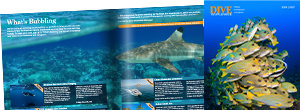
Alternatively, you can order a hard copy of our brochure to be delivered straight to your door or download a digital version directly from our website. The brochure is packed with some incredible dive trip inspirations to help you plan your perfect adventure. Simply complete the form to request your copy and start exploring today.
Scuba diving offers a unique opportunity to explore an extraordinary world beneath the waves. However, finding accessible destinations can be a challenge. At Dive Worldwide, we’re committed to ensuring scuba diving is accessible to everyone. Our team has selected a selection of premier scuba diving resorts that have tailored their facilities and operations to accommodate all divers. To find out more, contact us or read our blog Access All Areas Diving.
Diving & Dive Equipment
Liveaboard scuba diving is perfect for those looking for a fully immersive underwater adventure. Unlike resort diving or daily boat diving, which typically offer just two dives per day, liveaboards provide the opportunity for 3–4 dives daily, depending on the itinerary. With all the diving just a few steps away from your cabin, you can maximise your time exploring remote and diverse dive sites that are often inaccessible from the shore. Combine this with comfortable onboard accommodations and the chance to connect with like-minded divers, and a liveaboard becomes the ultimate choice for many scuba divers.
In many scuba diving destinations, carrying your own SMB (Surface Marker Buoy) is considered an essential safety practice. An SMB helps divers signal their position to boats on the surface, especially in areas with boat traffic or strong currents. We strongly recommend that divers have their own personal SMB and have basic skills for deploying and using it effectively during a dive. This ensures that you’re prepared for a variety of situations and can enhance your safety underwater. If you don't have an SMB, many dive resorts and liveaboards often provide them for rental or include them in their gear packages, but it’s always best to check ahead of time to ensure availability.
A Personal Locator Beacon (PLB) is a compact, lifesaving device that transmits your precise GPS location to your boat, provided it’s equipped with a compatible receiver. While a PLB might not be considered essential for most liveaboard trips, it can provide valuable peace of mind, especially in case of an emergency. These devices are particularly useful in remote locations like the Galápagos or Cocos Island, where liveaboards venture far into the open ocean, well away from harbours and immediate assistance. For added safety, many of our partner liveaboards in these regions include PLBs as part of their onboard equipment or offer them for rent, ensuring you’re well-prepared for your diving adventure.
You don’t have to book a scuba diving package with us—choosing land-only arrangements and deciding on your diving package once you arrive is absolutely fine. However, keep in mind that some resorts operate busy dive schedules, especially during peak seasons, so we highly recommend booking the full package in advance to secure your spot on the dive boat and avoid disappointment. We’re also more than happy to accommodate non-diving partners and families who want to join you. Our sales team can suggest a range of fantastic resorts that cater to everyone, from luxurious beachfront escapes to activity-packed stays. If you’re travelling with family, take a look at our family-friendly diving holidays for inspiration!
The minimum age to enrol in a scuba diving course is typically between 10 and 12 years, depending on the certification agency and the diving destination. For individuals under 18 years old, parental or legal guardian consent is required prior to starting the course.
Scuba diving has no upper age limit and can be enjoyed by everyone. However, it’s highly recommended to undergo a dive medical assessment before diving, as some operators may require a valid and recent dive medical for certain age groups. For further information, please feel free to contact us.
If you’re interested in learning scuba diving, no prior experience is required. You can start with a Discover Scuba Diving (DSD) session to see if scuba diving is the right fit for you. Should you choose to pursue certification as a recreational scuba diver, the next step is completing a full Open Water Diver course, which typically is a combination of classroom, online e-learning and a few days of scuba diving. In the UK, the most prominent scuba diving organisations offering training include BSAC (British Sub Aqua Club), PADI (Professional Association of Diving Instructors), SSI (Scuba Schools International), and SDI (Scuba Diving International). Learning to dive in a tropical destination is an incredible start to your scuba diving adventure, offering the perfect combination of ideal weather, crystal-clear waters, and vibrant marine life. Here are some of the best ‘learn to dive’ locations.
We offer a range of destinations tailored to diving enthusiasts, with recommendations based on experience levels. Shore diving is often ideal for families and beginners, as it generally takes place in calm, confined lagoons that provide a safe environment for newcomers while showcasing a vibrant variety of marine life. For more experienced divers, boat diving offers opportunities to explore diverse underwater environments and typically meets the needs of advanced divers.
For those seeking an ultimate scuba diving experience, liveaboard scuba diving trips are the way forward. Some itineraries are beginner-friendly, while others are designed for advanced open-water divers who have logged a specific number of dives. These advanced trips are ideal for those seeking exciting and challenging underwater adventures.
If snorkelling is more your style, no diving experience is required—just a sense of adventure. Whether diving or snorkelling, you’ll have the opportunity to experience stunning marine life and beautiful underwater landscapes.
Absolutely! Most resorts and liveaboards welcome divers and non-divers, ensuring everyone has a memorable experience. Our carefully selected liveaboard and resort partners offer a wide range of activities in addition to scuba diving, including kayaking, sailing, stand-up paddleboarding, and kitesurfing. Selected resorts provide spa treatments, yoga sessions, and opportunities to explore local attractions. Whether your non-diving partner or family prefers adventure or relaxation, we provide options to make sure everyone enjoys their holiday to the fullest. Our goal is to make sure that every member of your party has a holiday filled with fun and relaxation.
Scuba diving is an adventurous sport that requires a reasonable level of physical fitness. To keep everyone safe, diving organisations like PADI, SSI, BSAC, and SDI ask participants to fill out a medical questionnaire before starting scuba diving. Here’s an example of the kind of medical form often used by resorts, liveaboards, and dive centres: Scuba Diving Medical Form. Keep in mind that forms can vary depending on the organisation, but this one can give you a good idea of what to expect. If you have any questions, feel free to reach out to our dive team - we’re happy to help.
Just like you take care of your diving gear, it’s just as important to check in on the most crucial part of any dive - yourself. A dive medical is an easy and affordable way to make sure your body is ready for your next scuba adventure. To find your nearest dive medical professional, head over to the UKDMC (United Kingdom Diving Medical Committee).
If you haven’t dived for over six months, many resorts and liveaboards will require the diver to do a refresher course (scuba review) to ensure you remember all the important skills and safety procedures. A refresher course typically includes a theory review, a pool session, and a shallow open-water dive with an instructor. You can also choose to complete a scuba review in the UK before travelling to maximise your time scuba diving while you're away. It’s a great way to build confidence before diving into deeper waters.
Most scuba diving resorts and liveaboards offer a wide range of equipment rentals, including regulators, BCDs, and wetsuits. Rental equipment is often included in learn-to-dive courses, but for the best experience, we recommend bringing your own mask, fins, and snorkel.
To guarantee availability, especially in remote diving destinations, it’s best to request equipment rentals when planning your holiday. Liveaboards in particular may require advance reservations due to limited supplies, and last-minute arrangements may not be possible.
Dive computers are also becoming a standard requirement for scuba divers. Many operators now mandate their use for safety and accurate dive tracking. If you don’t own one, most resorts and operators offer dive computer rentals, but it's important to request one when booking.
For a seamless experience, contact us in advance with any equipment rental needs or special requirements. We’ll ensure everything is ready for your arrival so you can focus on enjoying your dive adventure.
Join one of our guided group diving tours and explore some of the most incredible scuba diving spots worldwide. Led by experts who know these destinations inside and out, these trips are designed to give you an amazing diving experience in a fun, relaxed setting.
Discover more about our expert-led group trips, where you can enjoy expertly planned itineraries, unforgettable underwater adventures, and the chance to capture stunning underwater photography. Whether you’re exploring the vibrant reefs of the Maldives or the awe-inspiring waters of the Galapagos Islands, our tours provide opportunities for both thrilling dives and jaw-dropping photo moments. Let us help you create memories with our expertly guided marine conservation group tours—your gateway to the world’s most sought-after diving locations and photography hotspots!
Order our brochure today and discover a world of inspiration for your next diving holidays. Packed with ideas, tips, and stunning visuals, it’s the perfect starting point to bring your scuba diving holidays to life.
Conservation is at the heart of everything we do, from managing our office systems to fostering international partnerships. We proudly support global marine conservation programmes dedicated to protecting marine life. Previously, we partnered with Deptherapy, a charity that supports the rehabilitation of injured UK armed forces members. By collaborating with these incredible organisations, we champion sustainable travel, protect the environment, and contribute to impactful causes.
Learning to Dive
Yes, junior scuba certifications are available for children as young as 10–12 years old. These courses come with depth limits, typically around 12 metres, and require additional supervision to ensure safety. The programme focuses on building foundational skills while maintaining a fun and educational experience. It’s a fantastic way to prepare for family diving holidays, where kids and parents can explore the underwater world together. By starting young, children can develop confidence and create lasting memories during these shared adventures.
Most beginners complete an entry-level certification like Open Water Diver. This qualifies you to dive to around 18 metres with a buddy in conditions similar to your training. The course has three parts:
- Knowledge: self-study online or in class (about 8–12 hours).
- Confined-water skills: pool sessions practising core skills.
- Open-water dives: usually four dives over two days.
Timeframe: You can complete it in 3–4 days full-time, or spread it over weekends. If time is tight, you can start with a Scuba/Basic Diver or Discover Scuba experience and upgrade later.
An e-learning course offers a flexible way to prepare for your scuba certification. You can study at your own pace, from anywhere in the world. Through videos, quizzes, and presentations, the course covers all the theory you need to know about scuba diving. Better yet, you can complete it at home before your holiday, saving valuable time once you’re at the resort.
After finishing your e-learning, you’ll get to put your knowledge into action at your holiday destination! The journey starts with confined water or pool sessions, where you’ll safely practice essential skills like buoyancy control, mask clearing, and regulator recovery—a certified instructor will guide you every step of the way, ensuring you feel confident and prepared. Once you’ve mastered the basics, it’s time for the real adventure: open water dives! Make sure to check our top learn to dive destinations.
You don’t need to be an athlete, but you should be comfortable in water. Most entry-level courses require:
- A 200-metre swim (no time limit) or 300 metres with mask, snorkel, and fins.
- A 10-minute float/tread.
General health and moderate fitness support safety and enjoyment. If you’re new to swimming, a few swim lessons help a lot - especially with breathing control and confidence. If you have concerns about stamina, tell your instructor; they can pace sessions and offer extra practice.
Learning to dive with a preexisting medical condition is not necessarily off-limits, but it does require careful consideration and proper medical advice. Some conditions may pose risks while underwater. However, in many cases, individuals with these conditions can still enjoy scuba diving if their health is well-managed, and they have clearance from a medical professional familiar with dive medicine. You’ll need to complete a medical questionnaire as part of your training, and if any concerns arise, you may be referred for further evaluation by a specialist. Always prioritise your safety and be honest about your health when deciding whether to pursue scuba diving. There are a few specialists around the UK who can help – the UK Diving Medical Committee website has details: www.ukdmc.org.
You don’t need to buy everything upfront - especially when you're travelling. Dive centres worldwide offer rental gear that’s tailored to local conditions and regularly serviced. However, for comfort and hygiene, many travelling divers prefer to invest in a few essentials.
A mask is the most personal piece of dive gear, where fit matters more than the brand. Adding a snorkel can be helpful for surface swims and certain training skills. For fins, choose full-foot fins for warm waters or open-heel fins with boots if you’re diving in colder conditions.
As you gain more experience and dive more frequently, you might want to consider adding a dive computer. This essential device tracks depth, time, and no-stop limits, making it crucial for safe, independent diving. Next, think about exposure protection, like a wetsuit or drysuit suited to the water temperatures of your preferred dive destinations. Finally, investing in your own regulator and BCD is a great option for frequent travellers, but it’s wise to try different models first to find what works best for you.
Pack smart, dive often, and make the most of your underwater adventures!
Costs can vary depending on your location, the specific services offered, and what's included in the package. As a rough guide, pricing will differ based on dive centre, and any additional features or add-ons you choose. We also have a fantastic selection of destinations for learning to dive, offering options to suit every preference and budget!
The cost of an Open Water course typically includes materials, pool sessions, instructor time, and certification. Some centres include gear rental and dive site fees; others don’t.
Both work. Choose based on your timeline, budget, and conditions you’ll dive most often.
Learning to dive locally offers invaluable opportunities to practice at your own pace. By spacing out sessions and revisiting pool skills, you can gradually build confidence and refine your technique. It’s also a chance to connect with local dive buddies and develop site-specific skills, such as mastering the use of a drysuit for colder waters. However, diving in the UK often comes with challenges like cooler temperatures and reduced visibility. For those seeking a more relaxed introduction, learning to dive on holiday can provide a warmer, clearer, and more enjoyable experience.
On the other hand, learning to dive on holiday is an unforgettable experience. Picture yourself in warm, crystal-clear waters surrounded by vibrant marine life - a breathtaking way to begin your underwater journey. Most courses can be completed in just a few days, allowing you to quickly gain the skills you need while soaking up the beauty of the ocean. For the best of both worlds, you can complete the theory and pool sessions at home, then head straight to the open water on holiday for an immersive, magical experience.
An Open Water Referral Course allows scuba divers to complete their certification in two parts: the confined water dives and knowledge development at home, and the open water dives at a destination of their choice. This option is perfect for those who want to finish their training in warm, clear waters with abundant marine life, as well as for those who need more time flexibility or prefer to spread out their training over multiple trips.
Your Open Water certification is your gateway to a lifetime of adventure, unlocking access to hundreds of breathtaking dive sites across the globe. It’s your pass to explore vibrant underwater ecosystems and witness extraordinary marine life in its natural habitat. Discover your favourite style of diving and immerse yourself in the magic beneath the waves!
To make the most of this journey, dive as soon and as often as you can - skills improve with practice, and every dive adds to the excitement. Join local club dives or guided trips to connect with the dive community. Take it further with Advanced or Adventure training, where you can learn navigation, deeper dives (up to 30 metres), and fun elective skills like peak performance buoyancy or night diving. Enhance your confidence with first aid and rescue training, becoming an even better dive buddy. Dive into specialities like drysuit, Nitrox, wreck exploration, or underwater photography, tailoring your adventures to your passions. Log your dives to track your progress—note details like conditions, air consumption, and what worked best. Aiming for 5 to 10 dives within a couple of months of certification will help everything click - trim, buoyancy, and gas management - setting you up for a lifetime of unforgettable underwater experiences!
If you have another question or can’t find the answer you’re looking for please contact us. Our expert team are all qualified divers, and can assist with any questions that you may have.