Among the most remote inhabited islands on earth, St Helena is a sub-tropical paradise and one of the most exciting destinations to open up in recent years. A great destination for divers and non-divers alike.
The final resting place of Napoleon, St Helena lies in the south Atlantic Ocean, 2,000 kilometres from the south-west coast of Africa and 2,900 kilometres from South America. An extinct volcano just 16 kilometres wide, the island’s geographical isolation ensures it will not disappoint nature lovers, with over 500 endemic species and an environment rich in biodiversity.
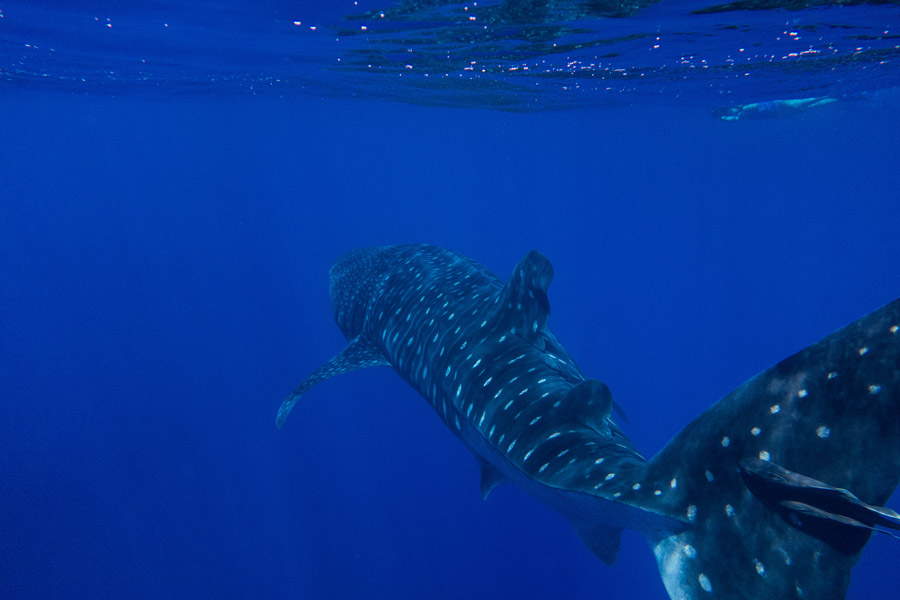
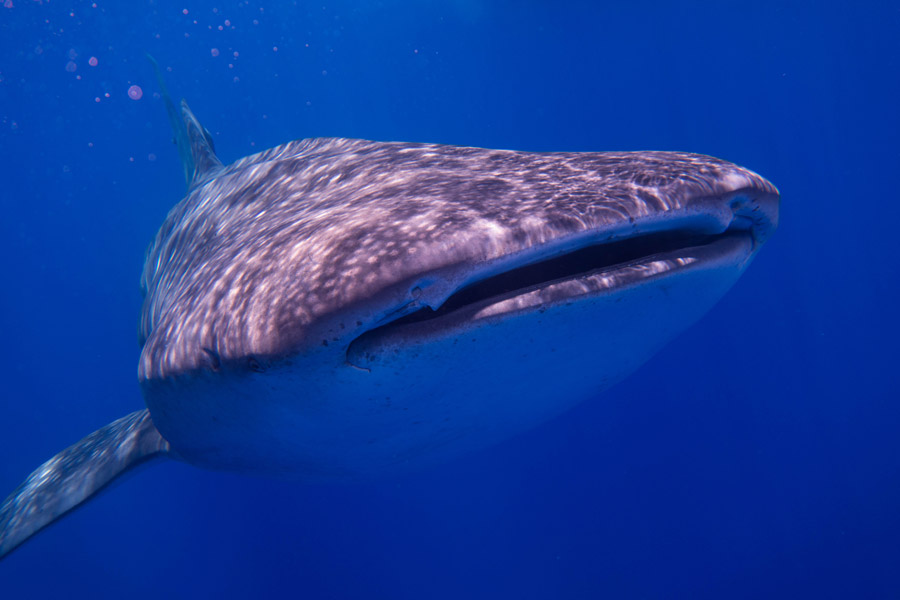
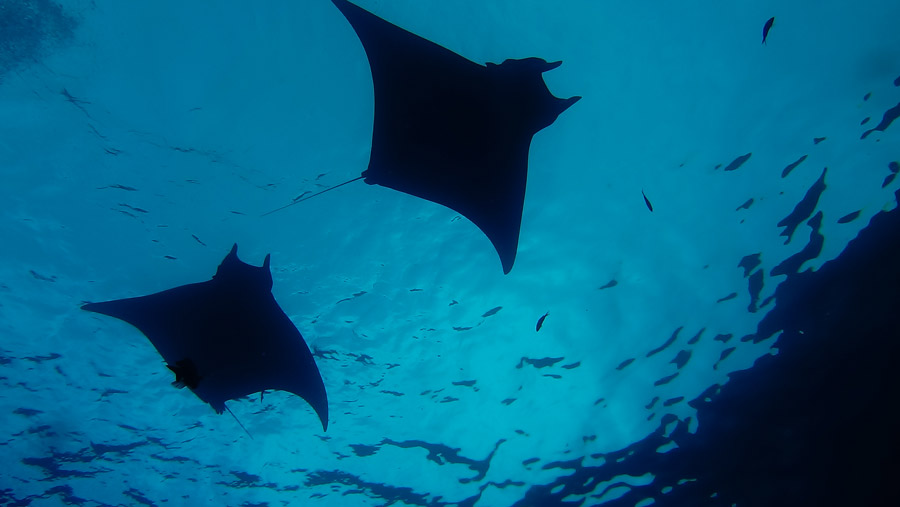
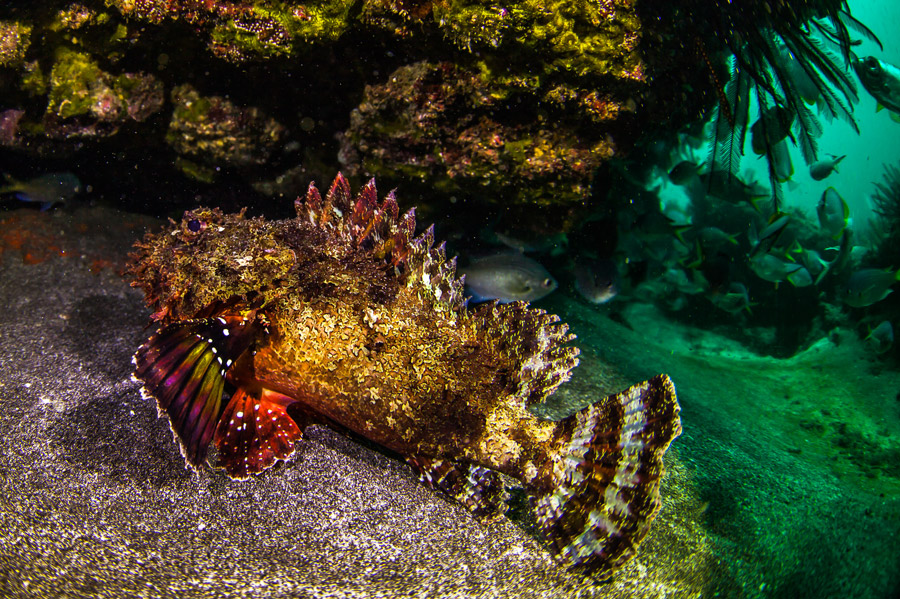
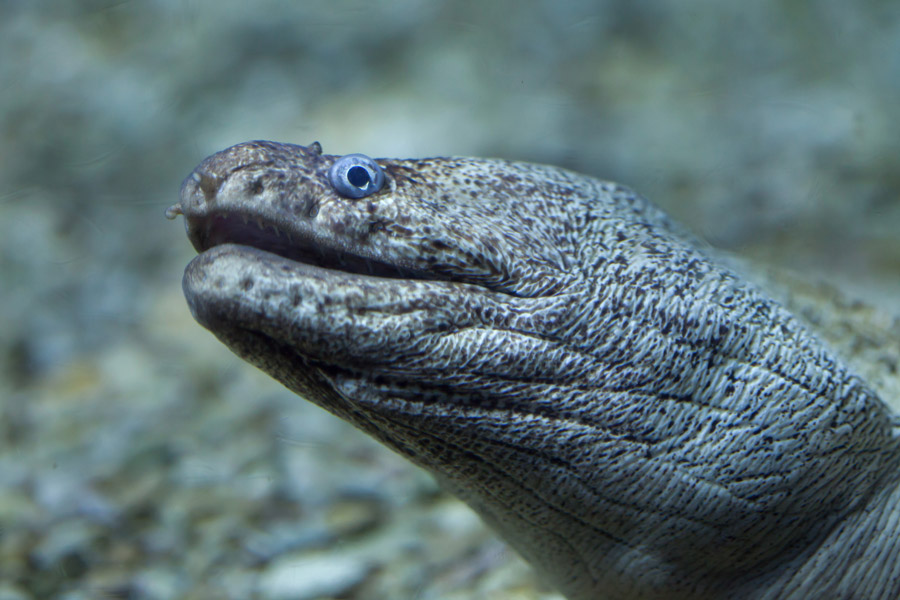
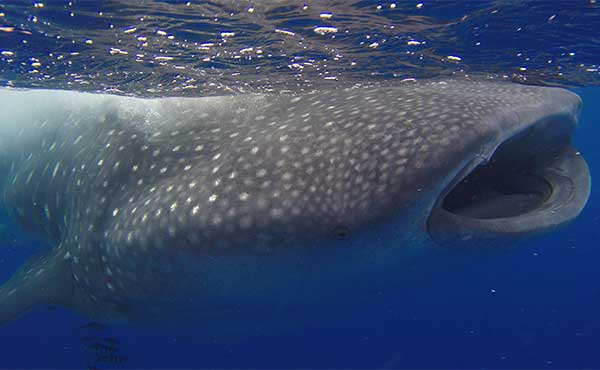
The waters around St Helena hide numerous wrecks, some dating back to the 18th Century, with hugely abundant and varied marine life, sea mounts, caverns and some excellent night diving. In recent years, whale sharks have been found to aggregate around the island in increasingly larger numbers, a highlight for any visitor between December and March.
Diving is offered year round, with the best months considered to be from December through to July, with average water temperatures around 25C and visibility up to 35 metres.
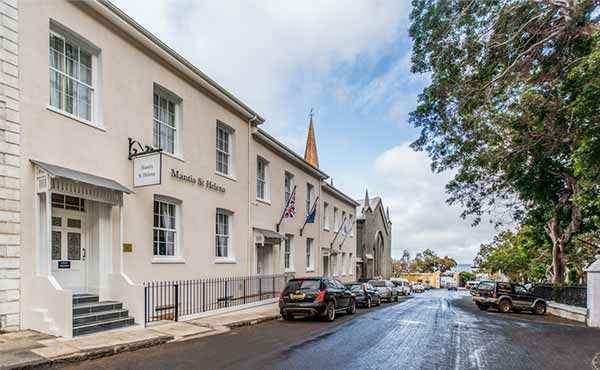
Jamestown, the island’s capital, is on the north coast and is where the majority of the island’s 4,000 inhabitants work. Topside attractions include the tomb of Napoleon, Jonathan the tortoise, the world’s oldest living land animal, and plenty of superb treks and nature walks.
View suggested itineraries