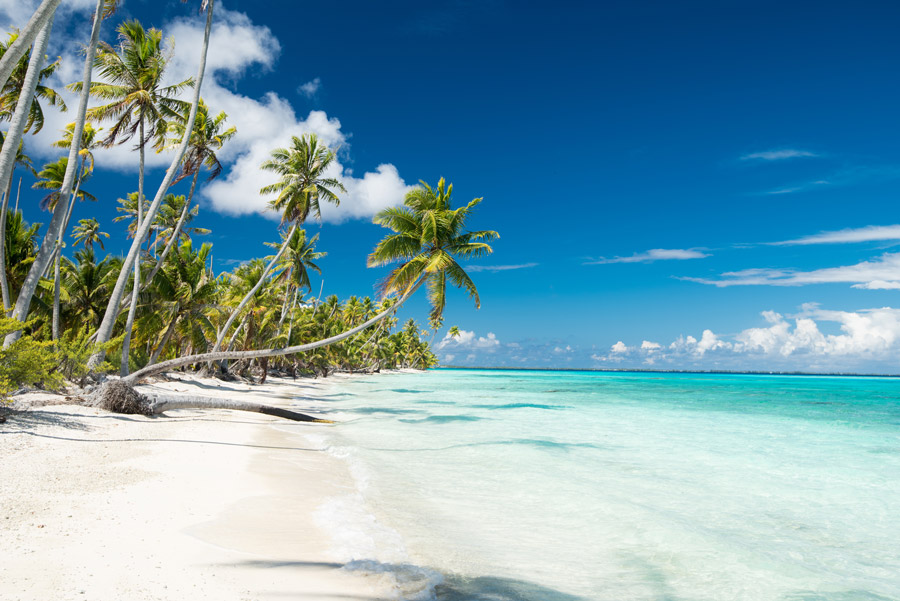
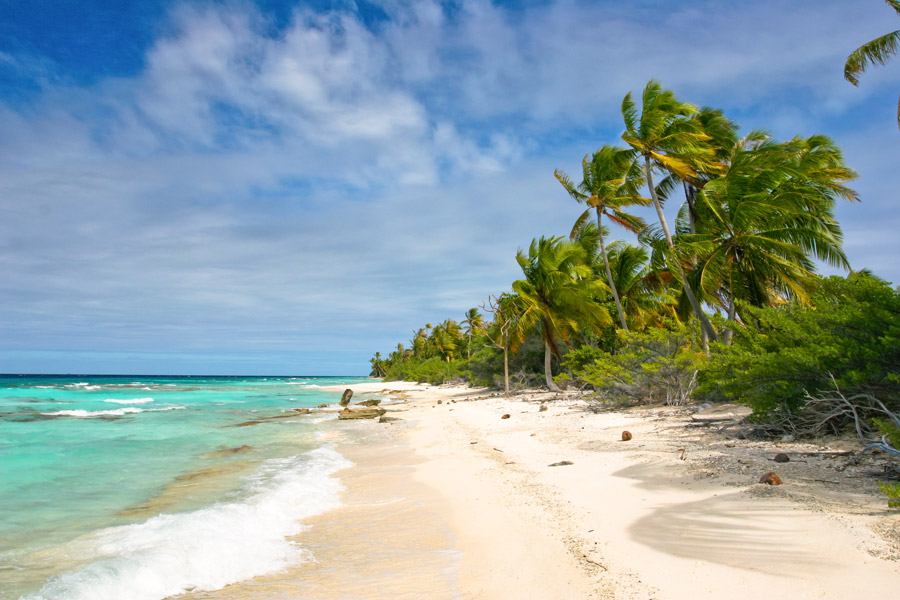
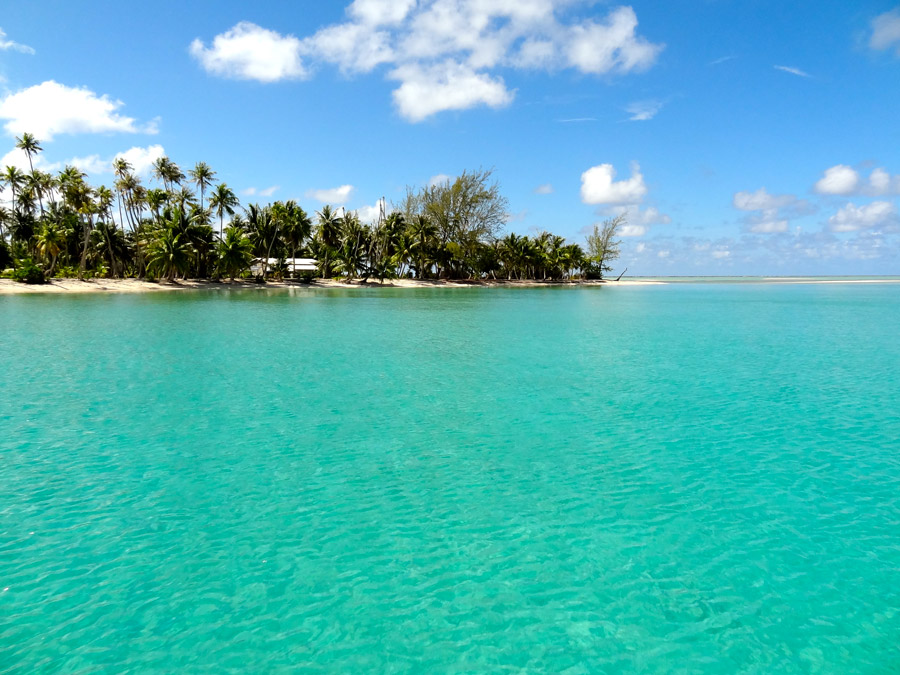
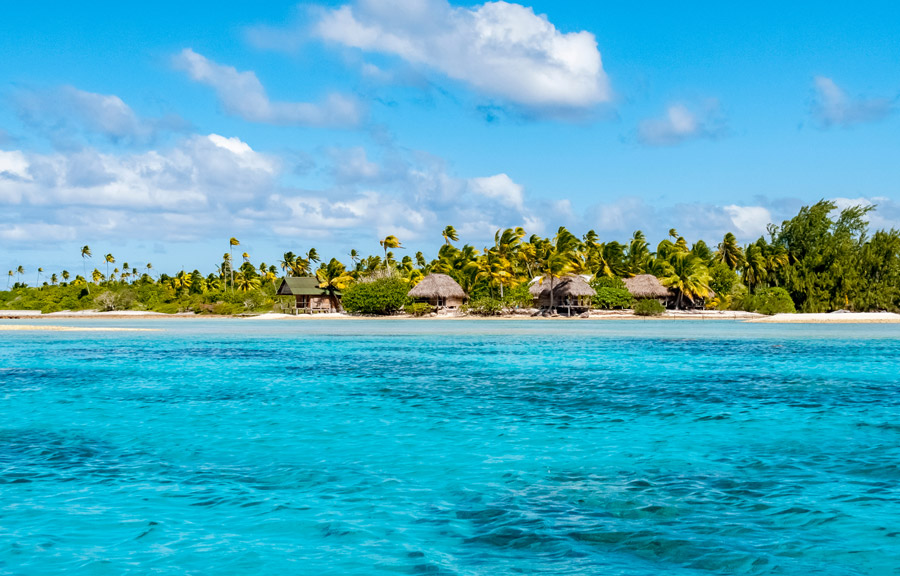
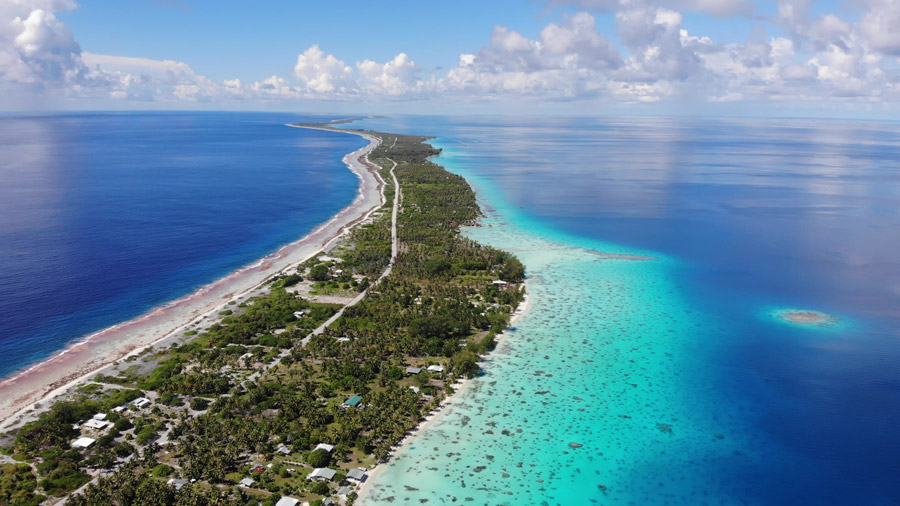
Both the marine and land wildlife in Fakarava are incredible, and are protected as a UNESCO Biosphere Reserve. The huge atoll features a unique untouched environment and rare endemic species can be encountered.
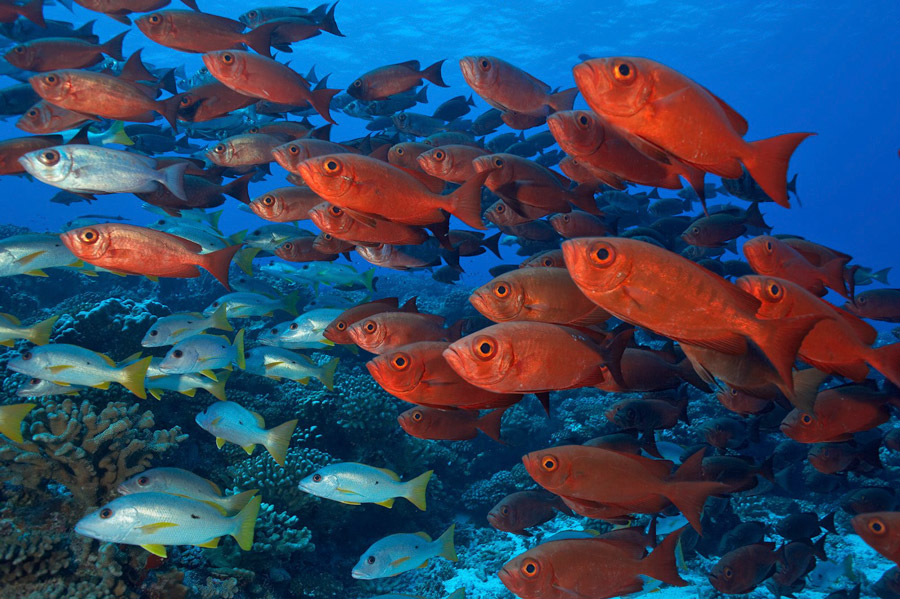
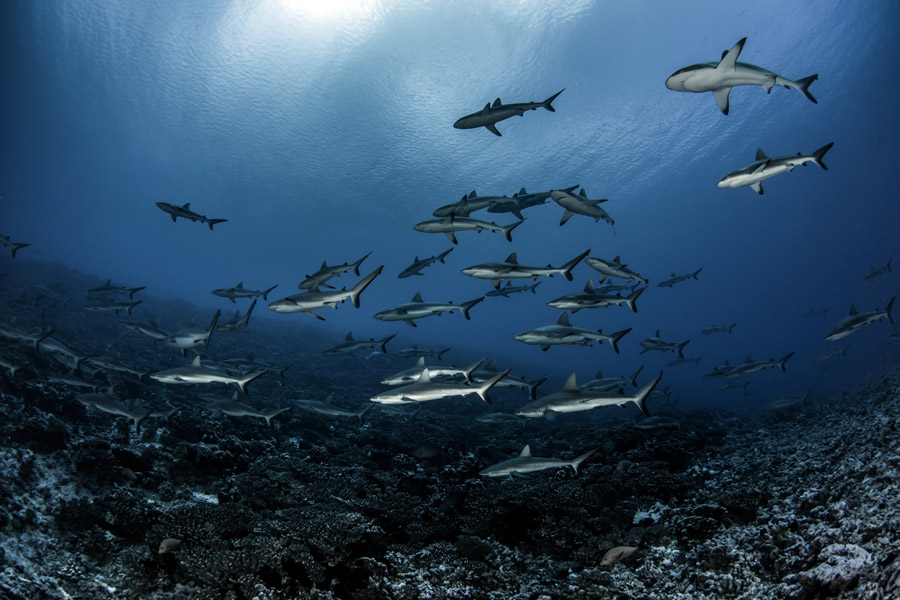
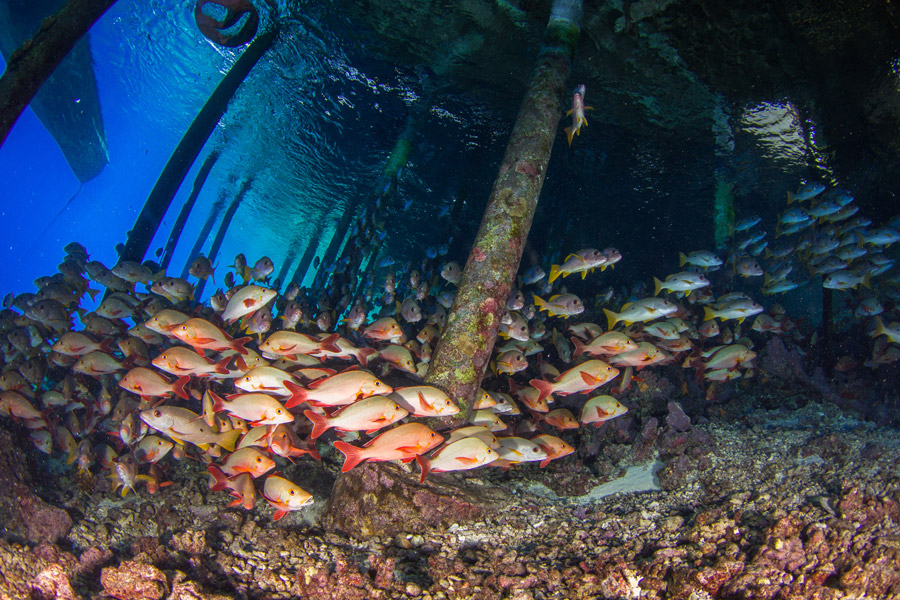
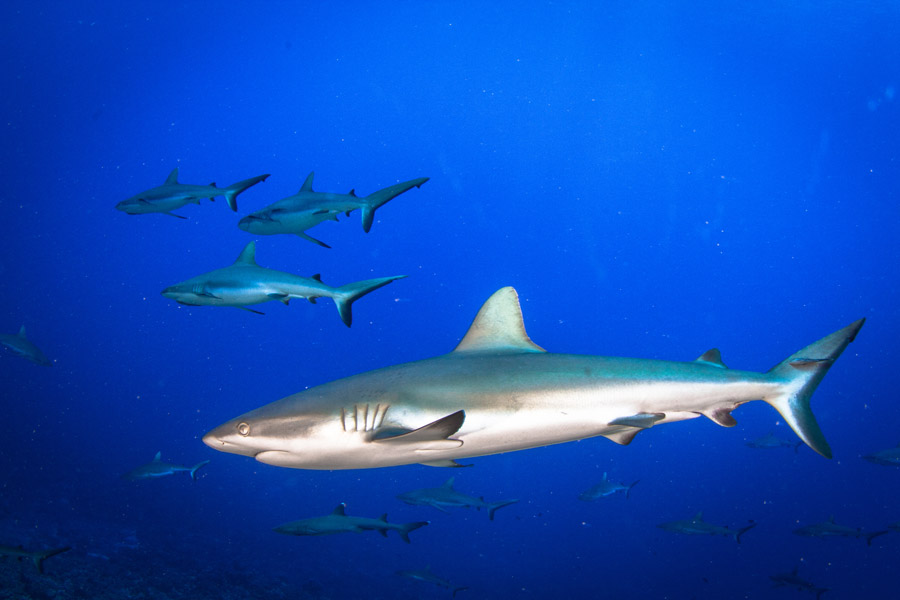
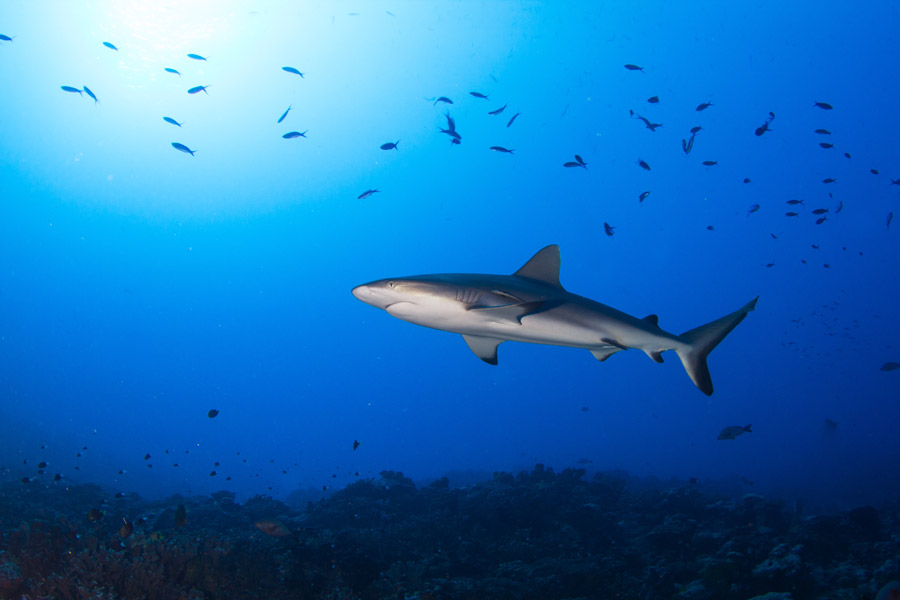
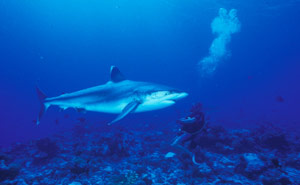
The two passes connect the expansive lagoon to the ocean of this rectangular shaped atoll. Garuae in the north is home to a prolific and abundant marine life where divers will enjoy amazing pelagic encounters. Dives in the 1,600 metre wide pass are conducted on an inflowing current offering a thrilling drift dive experience. Sightings include walls of grey reef, black-tip, white-tip, hammerhead, tiger and silky sharks as well as rays, dolphin, turtles, tuna, barracuda, snapper and colourful reef fish, most of which can be found taking shelter in the canyon. With plenty of pelagic encounters and possibly the highest density of fish life you’ll ever encounter, it’s an unforgettable experience and one of the main reasons to visit French Polynesia, as a diver.
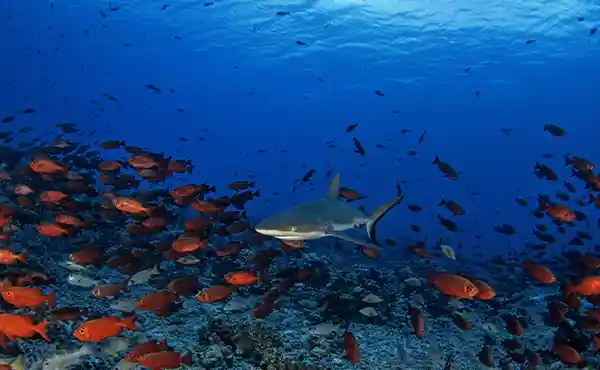
The southern pass, Tumakohua, is also a must visit to see its colourful reefs, abundance of fish and underwater treasures. The pass is narrower and the currents much calmer but it’s just as interesting as its northern counterpart. Diving here is dependent on local conditions and minimum numbers.
Both passes serve as the meeting place for an extraordinarily diverse marine life including several species of shark and rays, huge schools of pelagic fish and plenty of colourful reef dwellers.
Travel to Fakarava in June or July and you are likely to see huge schools of marbled grouper who gather to mate. It is also one of the best places to see tiger sharks, and between July and September humpback whales are frequently sighted.
Fakarava has minimal tourist infrastructure and is the place for a complete escape and a true diving paradise. Expect warm, clear waters with 30m+ visibility. Recommended for experienced divers with a minimum of 50 logged dives and certified to advanced level.
View suggested itineraries