Marine Conservation - How can I help?

As a diver it's almost impossible not to also have a deep love for the ocean. Whether it's the marine life that sparks your interest, the coral reefs, hidden wrecks or photographic opportunities, we all know this fantastic and important part of the planet must be protected.
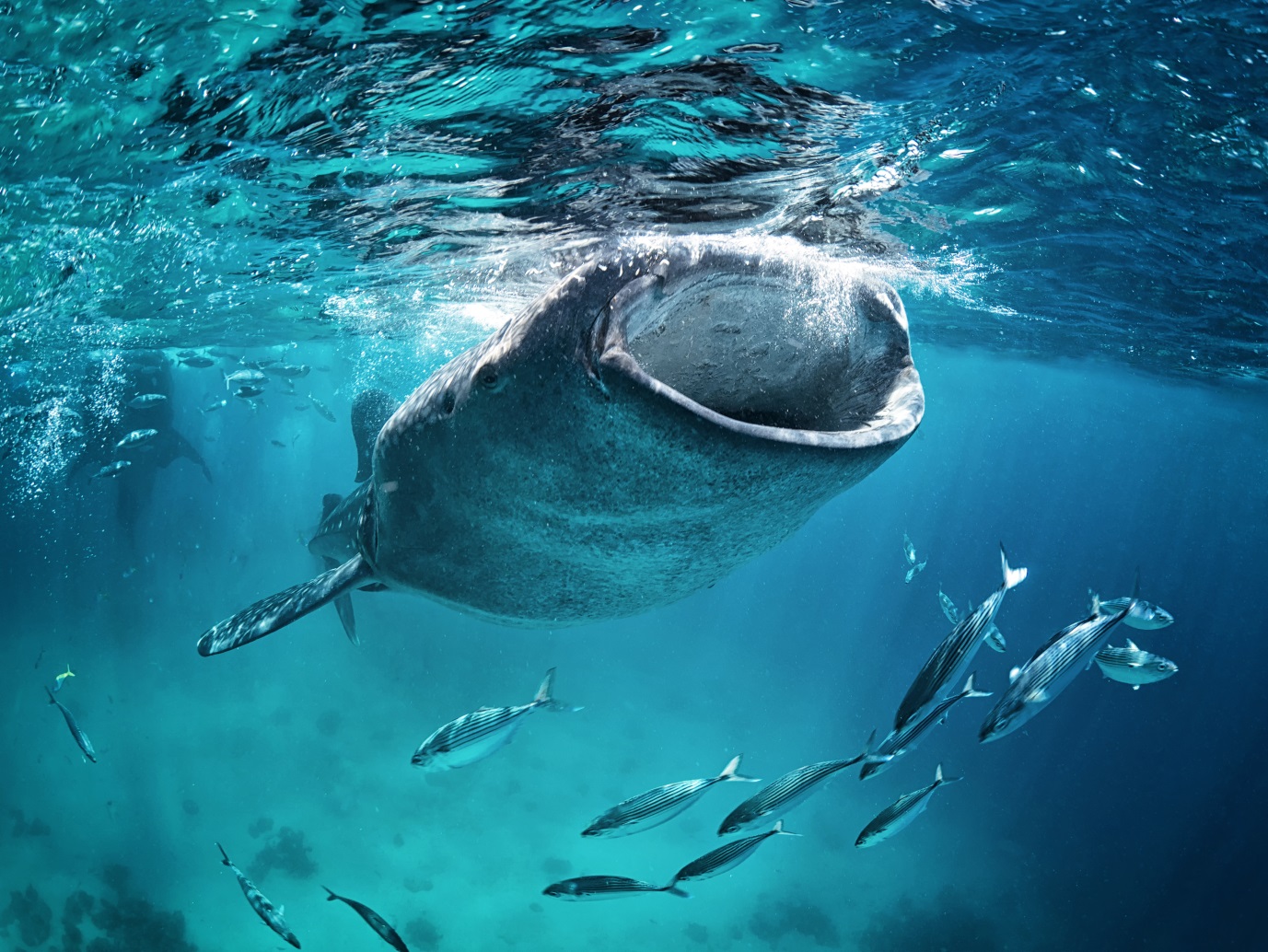
A brilliant way to help with marine life conservation is ‘Citizen Science’. Scientific research and data collection about the ocean's marine life is a vital part of its conservation. As a citizen scientist you can send the photos you’ve captured of marine life during your dives to organisations that use them to collect data and help with conservation.
A few good sites to use are MantaMatcher, Wildbook for Whale Sharks or Turtle Watch Egypt.
 Project AWARE’s citizen science programme, Dive Against Debris, asks divers to remove marine debris from the ocean and report data on the types, quantities and locations of materials collected.
 There are plenty of excellent charities that work tirelessly to help protect the oceans and the marine life that call it their home. We work with Project AWARE Foundation, Bite-Back Shark & Marine Conservation and Deptherapy.
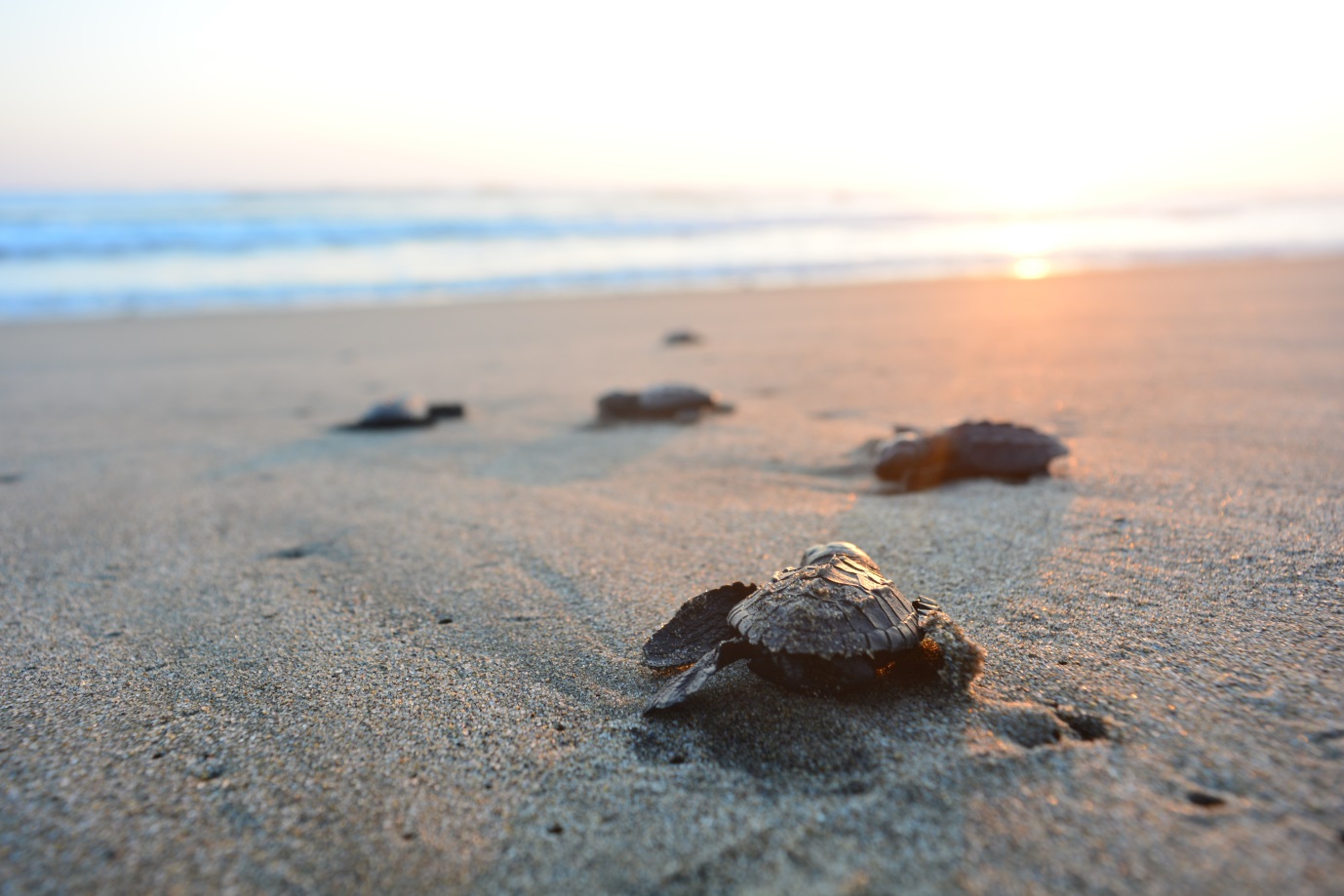
We’ve also just started to help support the fantastic Turtle Conservation Project that has been set up by Lissenung Island Resort in Papua New Guinea, who protect turtle eggs from poaching, educate locals on the importance of turtle conservation and collect vital data. Find out more in our blog post.
 A small donation from each trip booked through us goes to help support these charities, and if you’d like to increase your donation amount we will ensure it goes directly to one of these charities.
Lissenung Island Resort actively encourages guests to help out with their conservation project while on holiday. So if you are interested in volunteering here, or in another resort then speak to the team and we will see how we can help!
 Make some small changes to the way you act:
Plastic pollution is a big problem in the oceans. In your day to day life and while travelling, try to reduce the amount of plastic you use. Look for alternatives and unwrapped items wherever possible, and make sure to carry a reusable water bottle, shopping bag and reusable cutlery/straw if needed.
You can also purchase reef-safe suncream, so when diving, snorkelling or simply enjoying time in the ocean you are not causing any damage to the reefs.
Why not plan your own fundraising event, challenge or beach clean? Keep an eye out on our Facebook, Twitter and Instagram pages and sign up to our e-newsletter for any future conservation events you can get involved with!